Last updated November 23, 2026
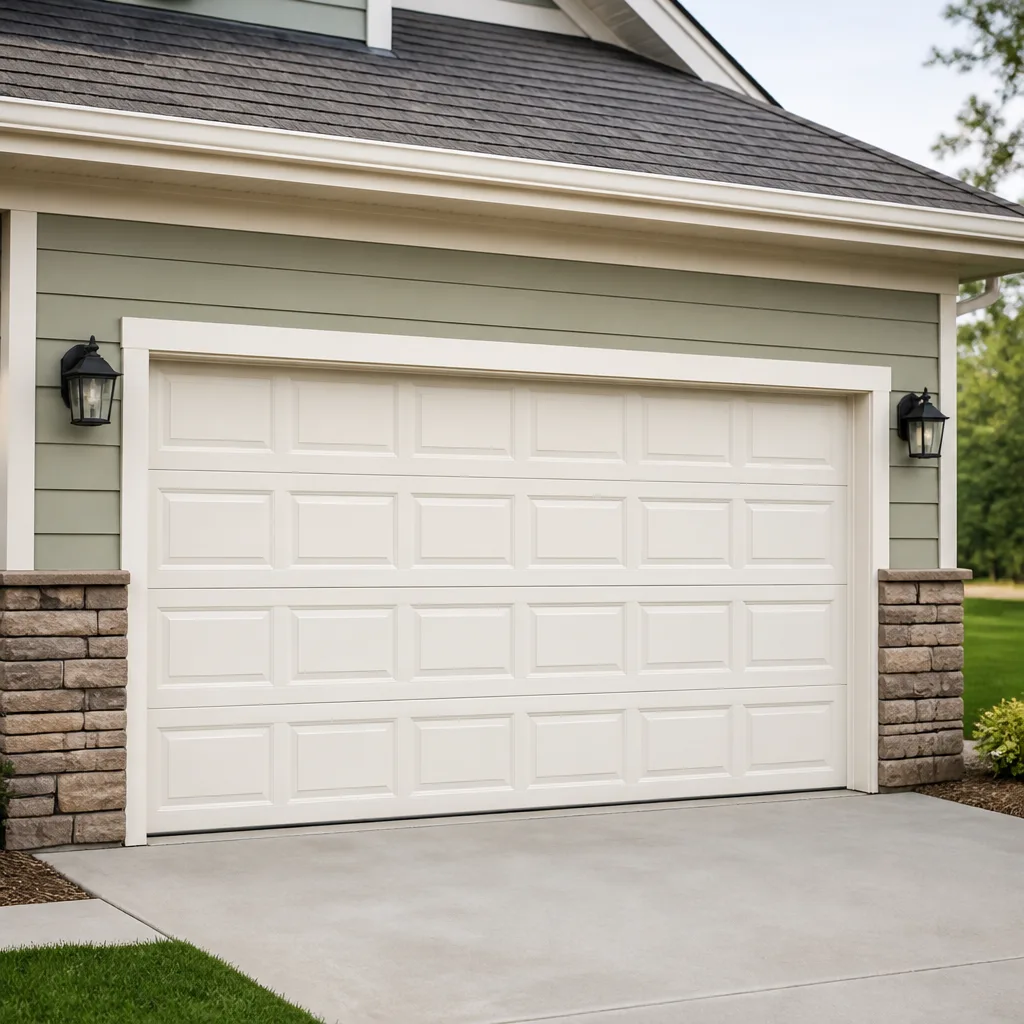 Raised-panel steel
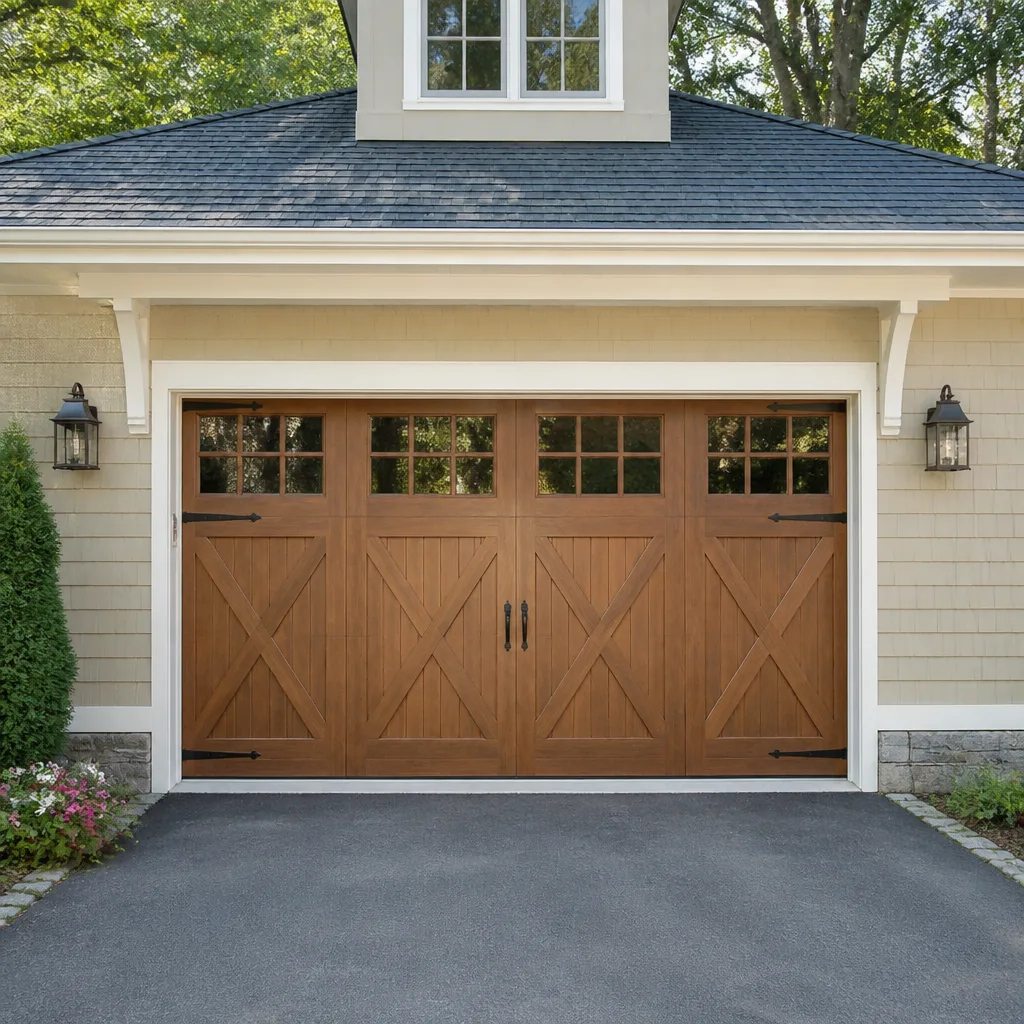 Carriage house
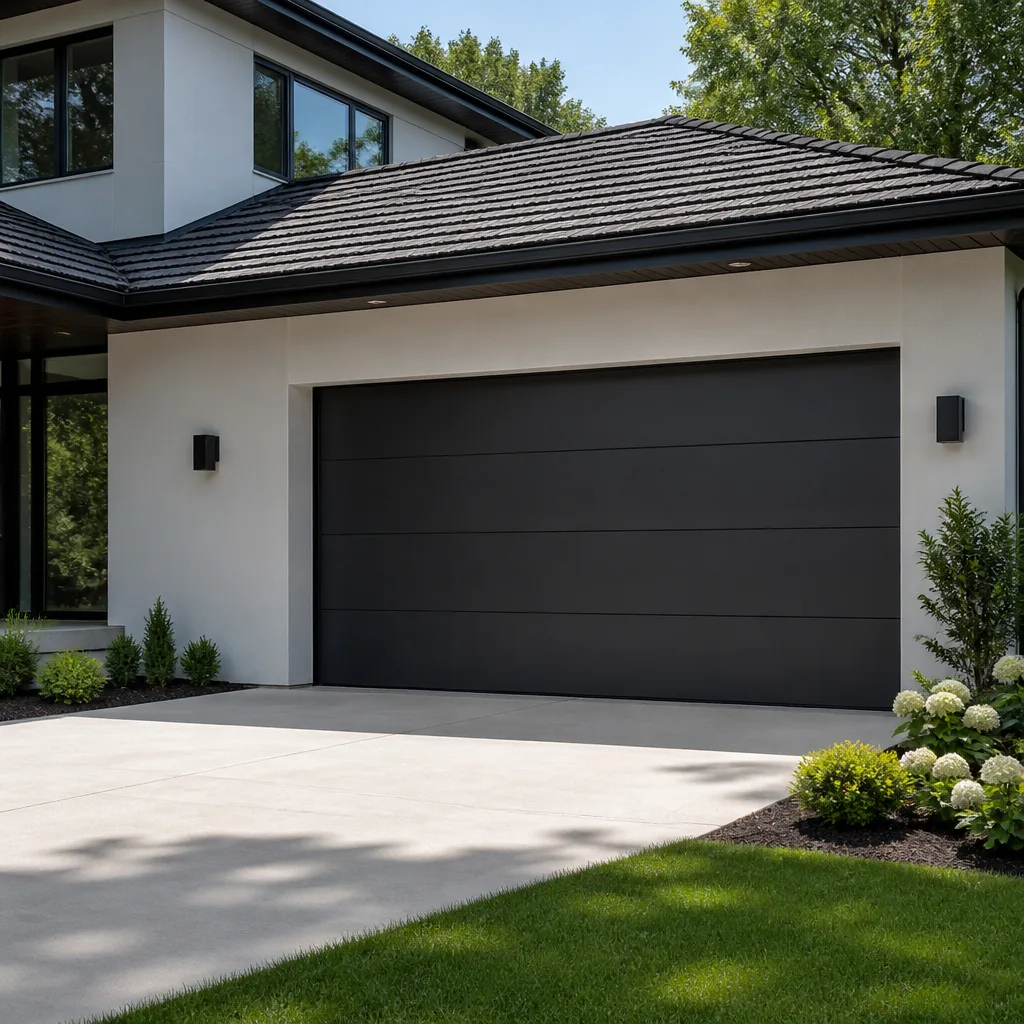 Modern flush
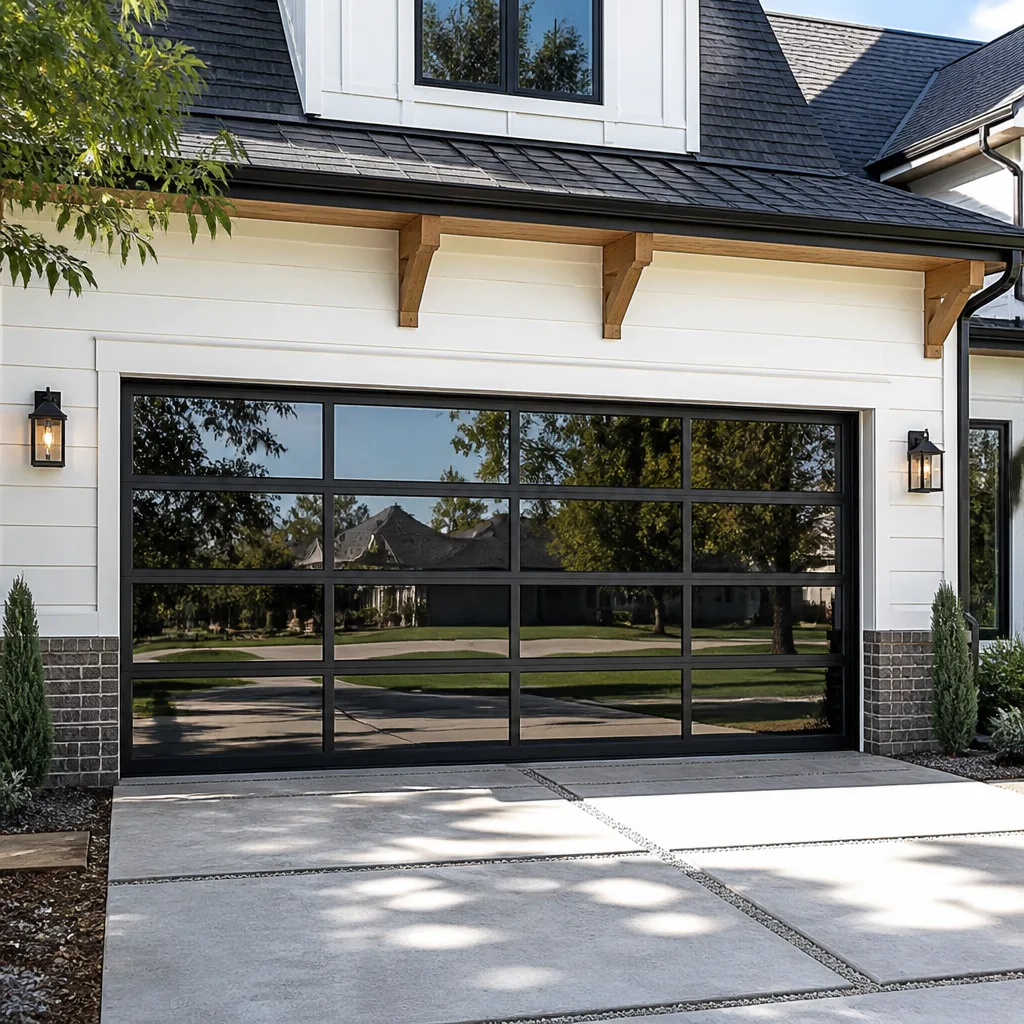 Full-view glass
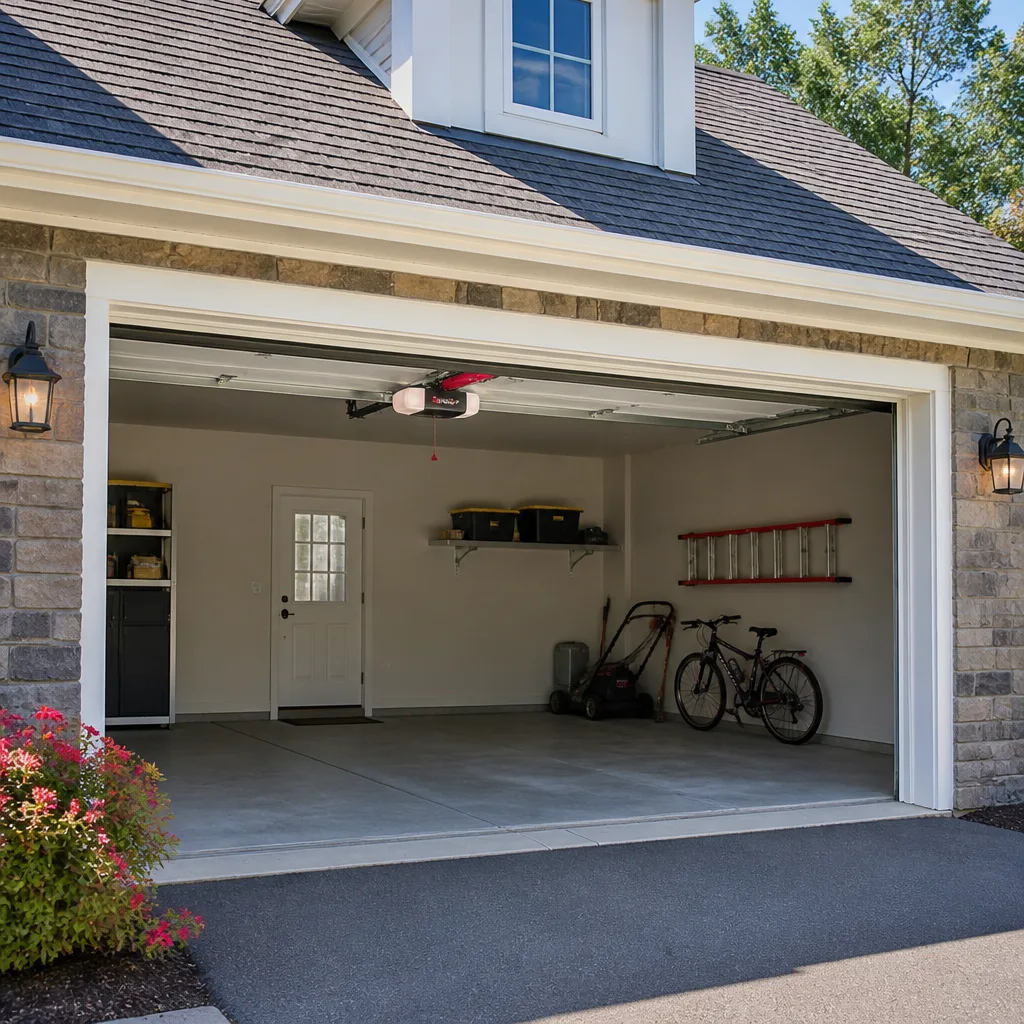 LiftMaster openers
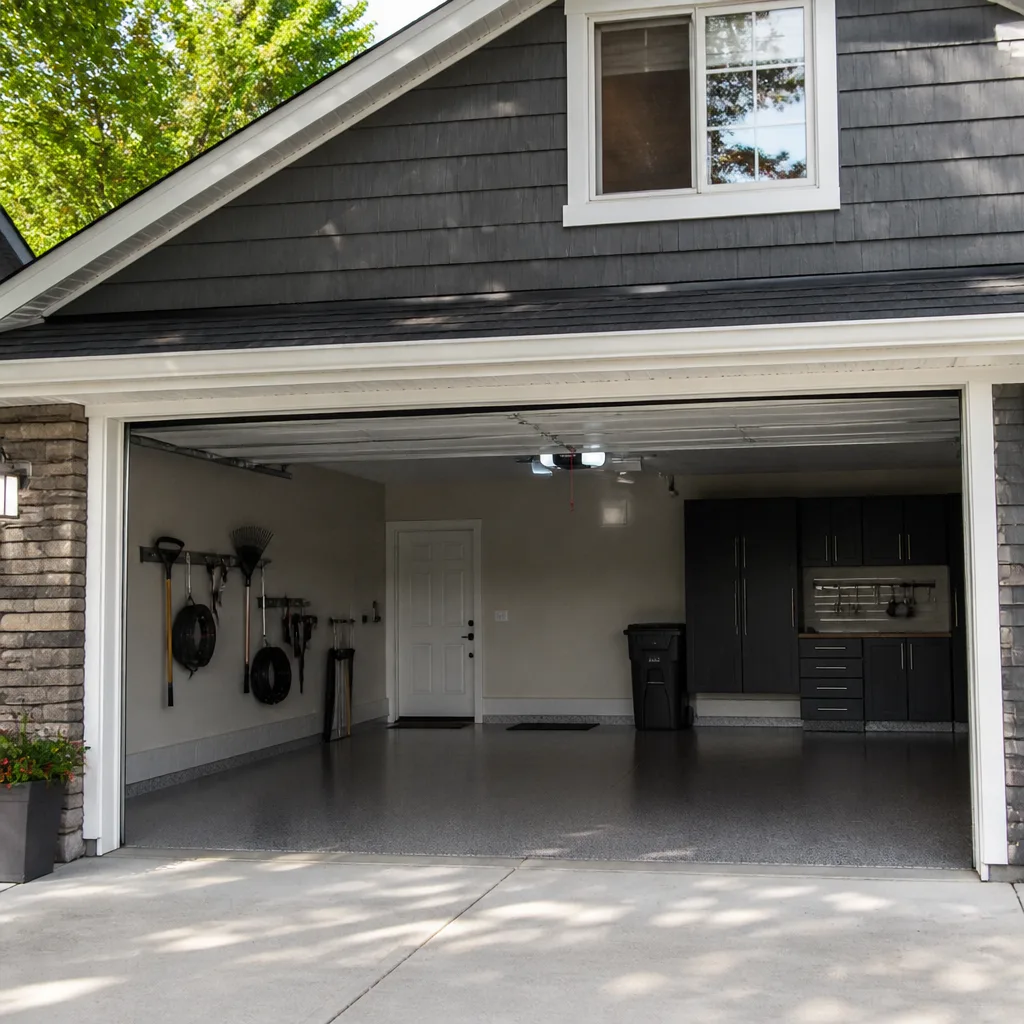 Chamberlain openers
Full 25-point door and opener safety check with every visit - springs, cables, rollers, tracks, and your LiftMaster or Chamberlain opener included
You get a price before we start. It does not change when the pro arrives.
Get your free estimateChoosing the Right Garage Door Brand: A Buyer’s Guide for Vineland
Here’s the part most brand guides skip: the name on your garage door panel matters far less than whether a technician in Vineland can get replacement parts for it within 48 hours. A discontinued panel from a premium brand leaves you with a cosmetic mismatch no warranty will cover, and there’s no brochure warning you about that. Vineland’s mix of older ranches, newer colonials, and detached workshop garages puts very different demands on a door, too. Steel gauge, insulation, and warranty language all mean something different on a north-facing door that takes the wind than on a shaded one. This guide looks at brands the way a technician does – after the sale, when something breaks – and shows you how to pick one that holds up in Vineland.
Quick Answer
The best garage door brand for Vineland is the one whose panels, springs, and hardware the local market can actually stock and service: for most homeowners that’s Clopay, Amarr, or Wayne Dalton on the door side, paired with LiftMaster or Chamberlain openers. Prestige matters far less than parts availability, honest warranty terms, and construction matched to your home’s age and orientation. Pick for serviceability first, style second.
Styles & brands we work with
- Raised-panel steel
- Carriage house
- Modern flush
- Full-view glass
- LiftMaster openers
- Chamberlain openers
Table of Contents
- Why Parts Availability Beats Prestige in Vineland
- What Steel Gauge, Insulation, and Warranty Language Actually Mean
- Brand-Specific Failure Patterns vs. What Warranties Cover
- Matching Door Construction to Vineland’s Housing Types
- The Opener Compatibility Question
- A Step-by-Step Way to Choose a Brand
- When to Repair vs. Replace a Branded Door
Why Parts Availability Beats Prestige in Vineland
A garage door is a system of wear parts. Springs cycle and fatigue, rollers flatten, hinges loosen, and weather seals crack. What actually determines how painful a repair is isn’t the brand’s reputation – it’s whether the specific panel or part is on a shelf nearby or on a truck from three states away. In practice, that gap can turn a short repair into a long wait, and homeowners in Vineland feel it every time a door gets stuck halfway.
The brands with dependable distributor stock in the South Jersey market tend to be the ones installed widely around here: Clopay, Amarr, Wayne Dalton, and LiftMaster and Chamberlain on the opener side. These are brands technicians can get panels and hardware for without drama. That’s not a knock on other manufacturers – it’s a simple fact of what dealers and distributors carry.
Which brands tend to stock well vs. lag
- Clopay, Amarr, Wayne Dalton: Common across South Jersey, so panels and standard hardware are typically available through local distribution.
- LiftMaster, Chamberlain, Genie: Openers and their parts are widely stocked; a replacement motor unit or remote is rarely a supply problem.
- Premium or imported brands: Sometimes gorgeous, sometimes slow. A discontinued or low-volume panel can take weeks, and matching a faded finish becomes guesswork.
- Big-box house brands: Fine when new, but replacement panels and proprietary parts are often hard to source a few years down the road.
Before you commit to a brand, ask one question: if this panel or hinge needs replacing in five years, how fast can someone in Vineland get it? If the answer is vague, keep looking. Our garage door repair work constantly runs into the opposite case – a beautiful door nobody local can service.
Why this matters more in a humid summer
South Jersey summers are humid enough to work on steel, wood, and seals alike. Humidity accelerates rust on cheap hardware and swells wood doors that weren’t sealed properly, which means the parts that wear first are the ones you most need to source quickly. A brand with fast local supply keeps that a minor repair rather than a waiting game.
What Steel Gauge, Insulation, and Warranty Language Actually Mean
Spec sheets are written to impress, not to inform. A steel gauge is a thickness measurement – and yes, the lower the number, the thicker the steel, which is the opposite of how most people read it. Insulation R-values are tested in a lab under ideal conditions, so they tell you relative performance between doors, not a promise of what your garage will feel like on a January morning. And a warranty is only as good as its exclusions, which are usually where the surprising parts live.
Reading steel gauge correctly
Most residential garage doors use steel in a range of gauges, and the number can be misleading without context. A 24-gauge door with good bracing can outperform a thinner 25-gauge door with flimsy struts on a wide opening. What matters is the combination of gauge, section design, and where the manufacturer adds reinforcement. On double-car doors in Vineland, width is the real stress test – a wider opening flexes more, so thicker steel and proper struts earn their keep.
What insulation claims really tell you
- R-value ranks doors against each other. A higher number insulates better, but two doors rated the same can feel different depending on seals, fit, and whether the garage is attached.
- Attached garages benefit most. If a bedroom or kitchen sits above the garage, insulation and good weather seals pay off in comfort.
- Detached and workshop garages are a different calculation. Here the goal is often keeping the space usable rather than protecting living space above.
- Insulation is not the same as sealing. A well-insulated door with worn bottom seals still leaks air and water.
Warranty language to read carefully
Look at what the warranty covers, for how long, and who honors it. Panel finish, structural integrity, hardware, and springs are usually separate categories with separate windows. Springs in particular are often covered for a much shorter time than panels, because they’re a wear part. Finish warranties typically exclude fading from sun exposure and any damage from a power wash or harsh cleaner. Ask who enforces the warranty locally – a strong national warranty is only useful if someone nearby will honor it.
Brand-Specific Failure Patterns vs. What Warranties Cover
Every brand has parts that fail first, and almost none of those failures fall under a warranty. Understanding the typical wear pattern helps you plan maintenance and avoid a surprise, whether you’re running Clopay, Amarr, Wayne Dalton, or a LiftMaster opener. What we see repeatedly is almost always ordinary wear, not defects – springs that have cycled their last, rollers that have gone flat, and seals that have cracked with age.
What fails first, generally
- Torsion and extension springs. They take the daily load and fatigue over time. This is the most common failure, and it’s also the most dangerous to handle – a spring under tension can injure seriously, so this is a job for trained technicians, not a weekend project.
- Rollers and hinges. The moving parts wear quietly, then the door starts to rattle or run rough.
- Weather seals and bottom astragal. Sun and moisture crack them, and the door starts leaking air and water.
- Opener drive components. Belts, chains, and gears wear; on some openers the logic board or safety sensor is the weak point.
- Panel finish. Sun-facing panels fade or chalk over time, which is a cosmetic issue and rarely a warranty matter.
What warranties tend to exclude
- Normal wear on springs, rollers, hinges, and seals.
- Finish fading, chalking, or damage from cleaning products.
- Damage from impact, storms, or a door that was forced.
- Problems traced to improper installation or a mismatched opener.
- Labor in many cases, even when the part is covered.
Springs deserve their own note. Our garage door spring repair work exists precisely because these are under extreme tension – a snapped spring can injure someone badly, so we always recommend a trained technician. Knowing the failure pattern helps you call at the right time instead of waiting for a bang in the middle of the night.
Matching Door Construction to Vineland’s Housing Types
A door that suits a 1970s ranch in Vineland is often the wrong door for a newer colonial or a detached workshop garage. Housing age changes the opening size, the headroom above the door, and how much wind the door takes on its most exposed side. Brand choice should follow the building, not the other way around.
Older ranch homes
Roughly mid-century ranches often have a single wide opening with modest headroom, sometimes with a low-clearance setup above the door. They usually want a lighter, well-braced door that fits the existing track and opener geometry. Choosing a brand that stocks the right low-headroom hardware matters more here than picking the fanciest finish.
Newer colonials
Larger openings and taller sections are common, which puts more load on the hardware. On these homes a sturdier gauge and proper struts earn their keep, and insulation matters if living space sits above the garage. Brand availability for wide sections is the practical sticking point – the door has to be obtainable, not just attractive.
Detached and workshop garages
These often prioritize durability and function. A solid, serviceable door with hardware that’s easy to source beats a showpiece every time in a workshop. Here we usually steer toward brands with dependable local parts so the door keeps working through heavy use.
Wind exposure across the city
Vineland spreads across a lot of open ground, so a door on an exposed side takes more wind load than one tucked against neighboring buildings. A wider door on a windy side benefits from a sturdier gauge and proper reinforcement regardless of brand. That’s a construction point, not a prestige point.
The Opener Compatibility Question
Some door brands pair better with specific opener systems, and mismatches create long-term headaches – a door that seems to run fine but strains the opener, wears its parts early, and never quite balances. The door and the opener are one system; treat them that way and a lot of trouble disappears.
How to think about the pairing
- Match the opener class to the door weight and height. A heavier, taller door needs an opener rated for it. Skimping here shortens the life of both.
- Confirm the drive type suits your use. Belt-driven openers (common in LiftMaster and Chamberlain lines) tend to run quieter, which matters in an attached garage.
- Check safety systems. Modern openers use safety sensors, and compatibility with your door’s travel and reversing setup matters for safe operation.
- Consider serviceability. A widely stocked opener means fast parts when a gear or board fails.
If you’re replacing only one half of the system, that’s the time to think about the whole thing. Our garage door opener repair work is often called out to a mismatched setup where a cheap opener is straining a door it was never sized for. Matching brands and specs from the start saves that call.
When a mismatch shows up
- The door drifts or reverses unevenly, which can signal a balance or travel problem.
- The opener strains or sounds louder than usual.
- Parts wear faster than expected on either the door or the drive.
- Safety sensors or limit settings keep needing adjustment.
Any of these means it’s worth having the system checked as a whole rather than piece by piece.
A Step-by-Step Way to Choose a Brand
Rather than starting with a brand name, work backward from your home and what you’ll need from the door over its life. This is the sequence we walk through with homeowners, and it keeps brand choice honest.
- Measure the opening and check headroom. Note the width, height, and how much space sits above the door. Low-clearance setups narrow your brand and hardware options early.
- Decide what the garage needs to do. Protect living space above? Keep a workshop usable? Store cars and take wind? That guides insulation and gauge.
- Shortlist brands with local parts support. Ask how quickly a panel or part can be sourced in the South Jersey market before falling in love with a finish.
- Read the warranty categories. Separate panel, hardware, spring, and finish coverage, and note the exclusions.
- Match the opener to the door. Size it correctly and choose a widely supported system.
- Get a written estimate. The written quote is the price – get it in writing before any work starts.
If you’re weighing options, our Vineland Garage Door Repair Pros team works across the major brands, so we can tell you how each one actually holds up locally. For a full replacement path, include professional garage door service in your plan so installation and any needed repairs are handled together.
When to Repair vs. Replace a Branded Door
The brand question often lands at the moment a door breaks, not when you’re shopping. The decision comes down to the age and condition of the door, the availability of parts, and whether the failure is a wear part or the panel itself. A broken spring on a solid door is a repair; a rusted-through panel on a discontinued brand is often a replacement conversation.
Repair usually makes sense when
- The issue is a wear part: a spring, roller, hinge, cable, or seal.
- The door is otherwise solid and its brand still has local parts.
- The opener is sound and only a minor component failed.
Replacement usually makes sense when
- The panels are damaged or rusted through, or the brand is discontinued with no local parts.
- The door is repeatedly failing in different spots – a sign the whole system is tired.
- You’re upgrading insulation or matching the door to a home addition.
When a door fails suddenly, that’s what our emergency garage door service is for – a broken spring or off-track door can leave a home unsecured, and we’d rather fix it correctly than have you force it. Safety first: springs and cables carry serious tension, so leave those to trained technicians.
Common Mistakes to Avoid
- Choosing a brand for prestige alone. A beautiful door nobody local can source parts for becomes a headache fast. Check supply before you commit.
- Reading steel gauge backward. A lower gauge number means thicker steel, not thinner. Misreading it can steer you to the wrong door entirely.
- Trusting an R-value as a comfort promise. The number ranks doors against each other; your actual warmth depends on seals, fit, and whether the garage is attached.
- Assuming the warranty covers wear parts. Springs, rollers, and seals are usually excluded, and finish fading rarely qualifies. Read the exclusions before buying.
- Mismatching the opener to the door. An undersized opener strains a heavier door and shortens the life of both. Size the system together.
- Ignoring Vineland’s humid summers. Cheap hardware rusts and unsealed wood swells when it’s muggy. Choose hardware and finishes that handle humidity.
- Skipping the written estimate. A verbal number isn’t a price. Get the written quote agreed before any work starts.
When to Call a Professional
Some jobs are fine to understand but not to attempt. If a spring has snapped, a cable is frayed, the door is off its track, or the door is drifting and won’t stay balanced, call a trained technician – these involve parts under extreme tension that can cause serious injury. The same goes for anything electrical in the opener, and for a door that has become heavy or hard to lift. If you’re unsure which brand you have or what’s gone wrong, our technicians have up to 11 years of experience and work on LiftMaster, Chamberlain, Genie, Clopay, Amarr, Wayne Dalton, Craftsman, and Raynor, so diagnosis is quick and parts are correctly sourced. Vineland Garage Door Repair Pros offers free estimates in Vineland – call (866) 937-7821.
See the difference
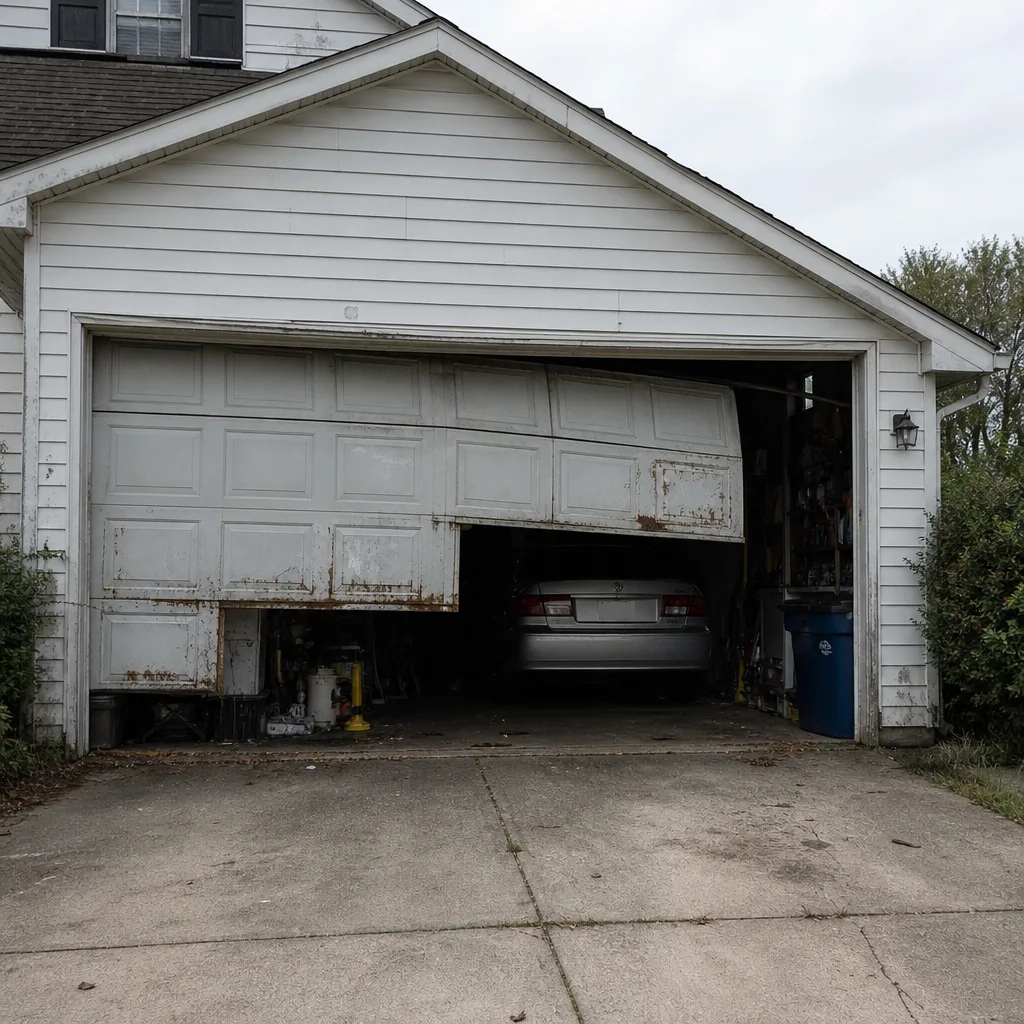 Before
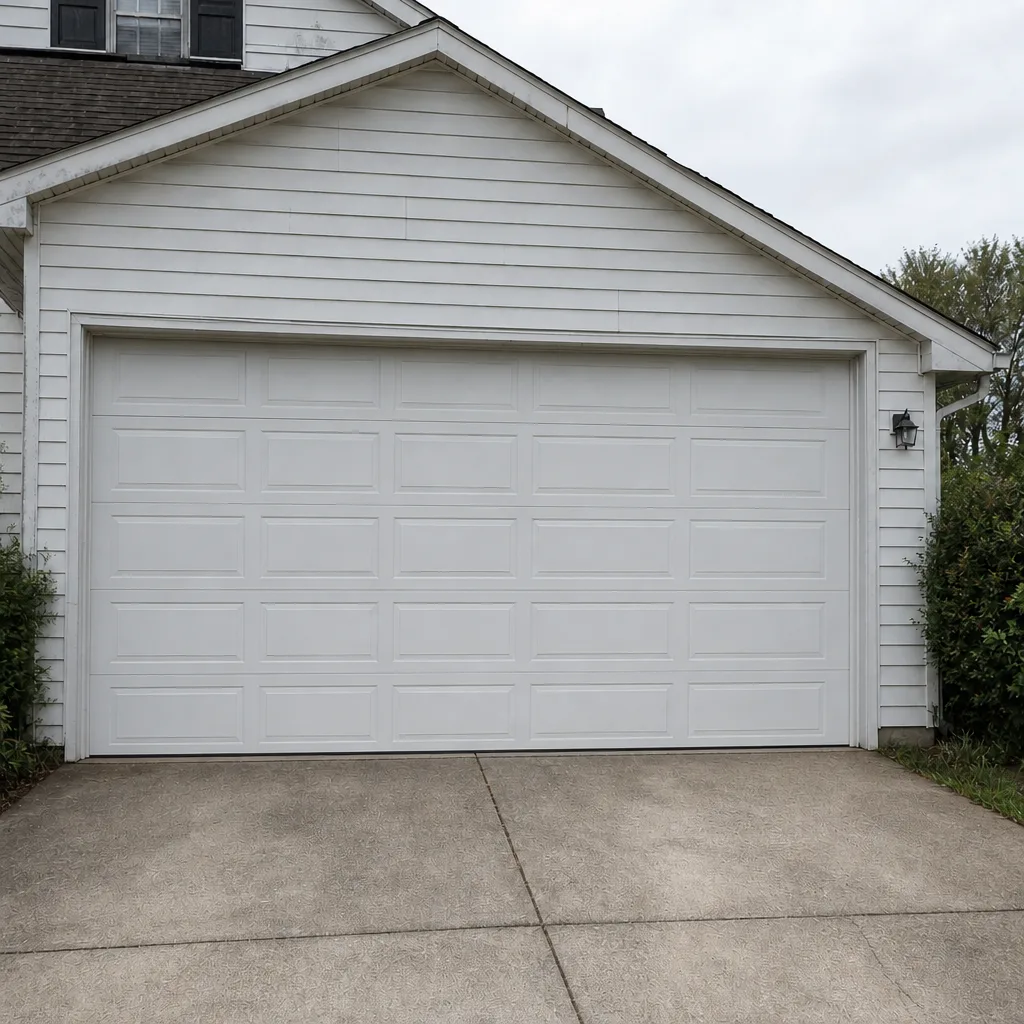 After
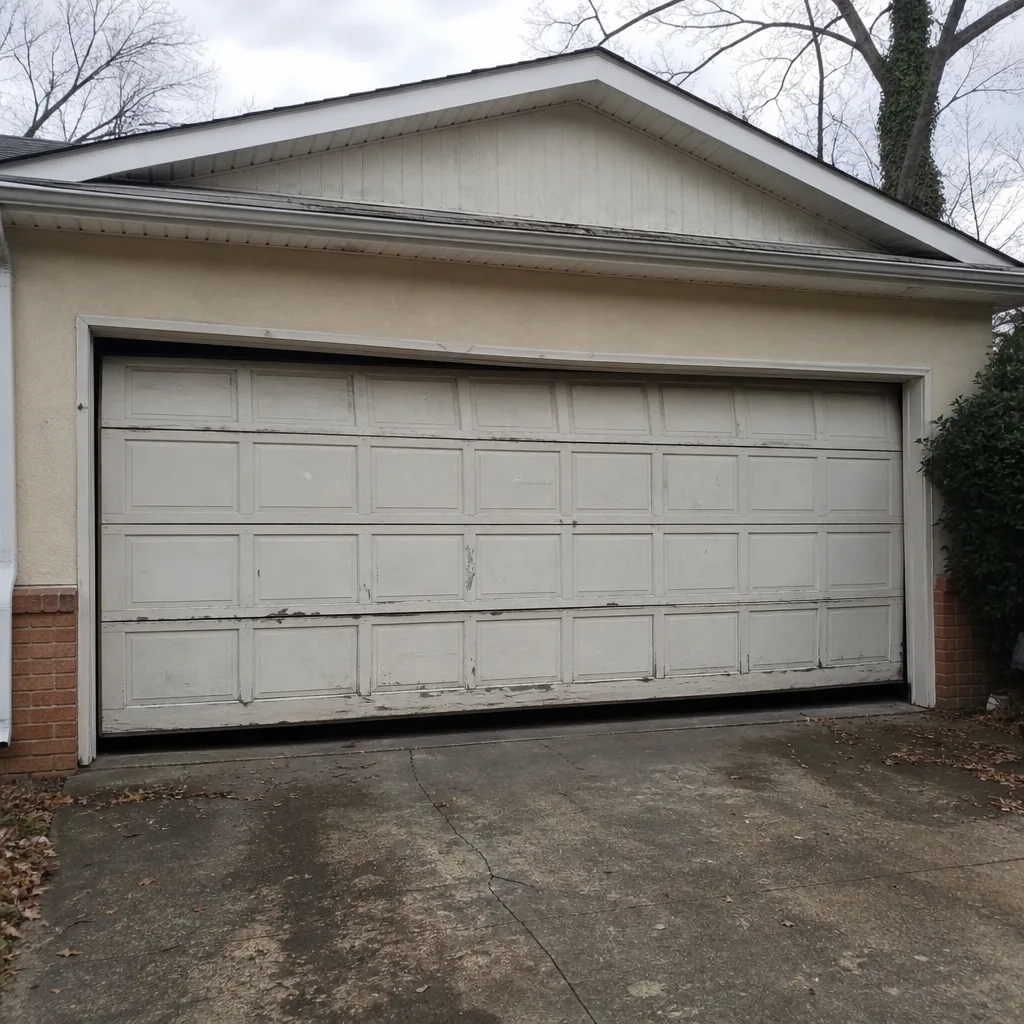 Before
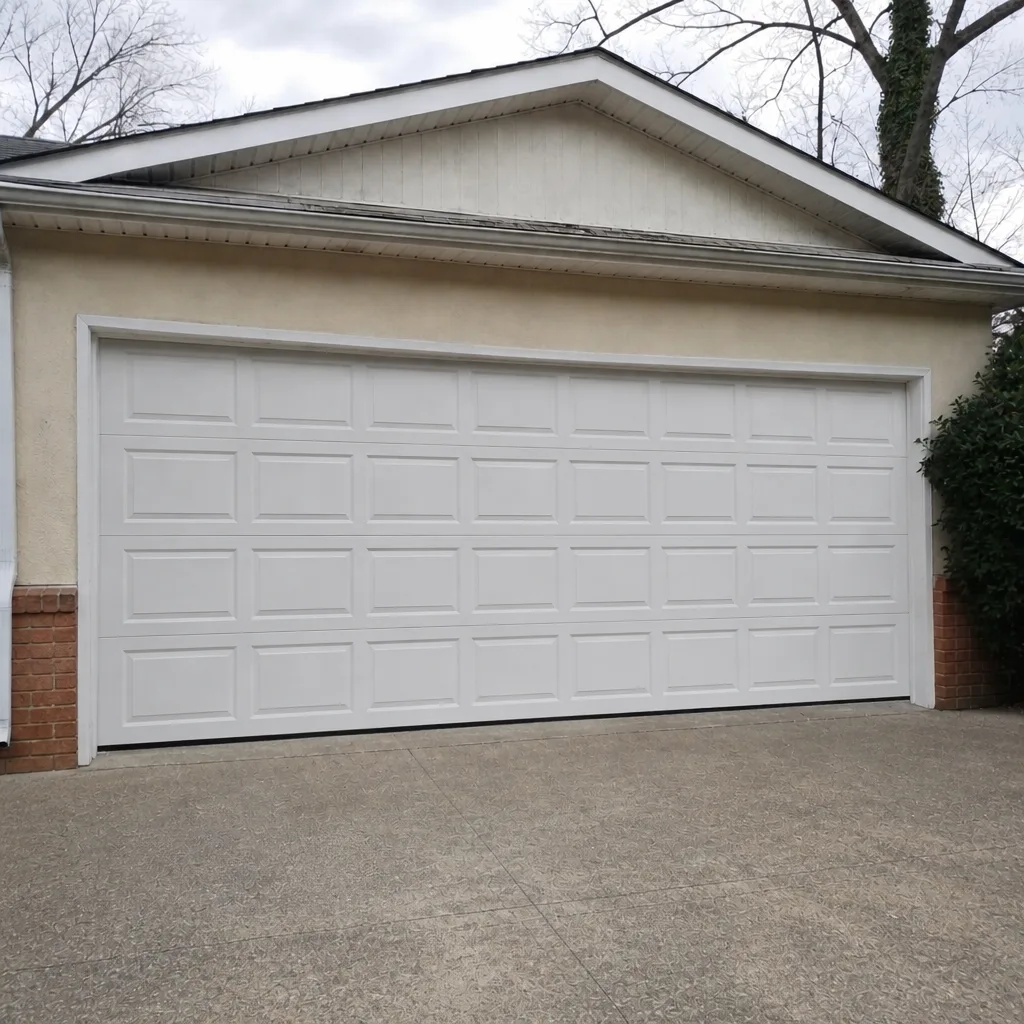 After
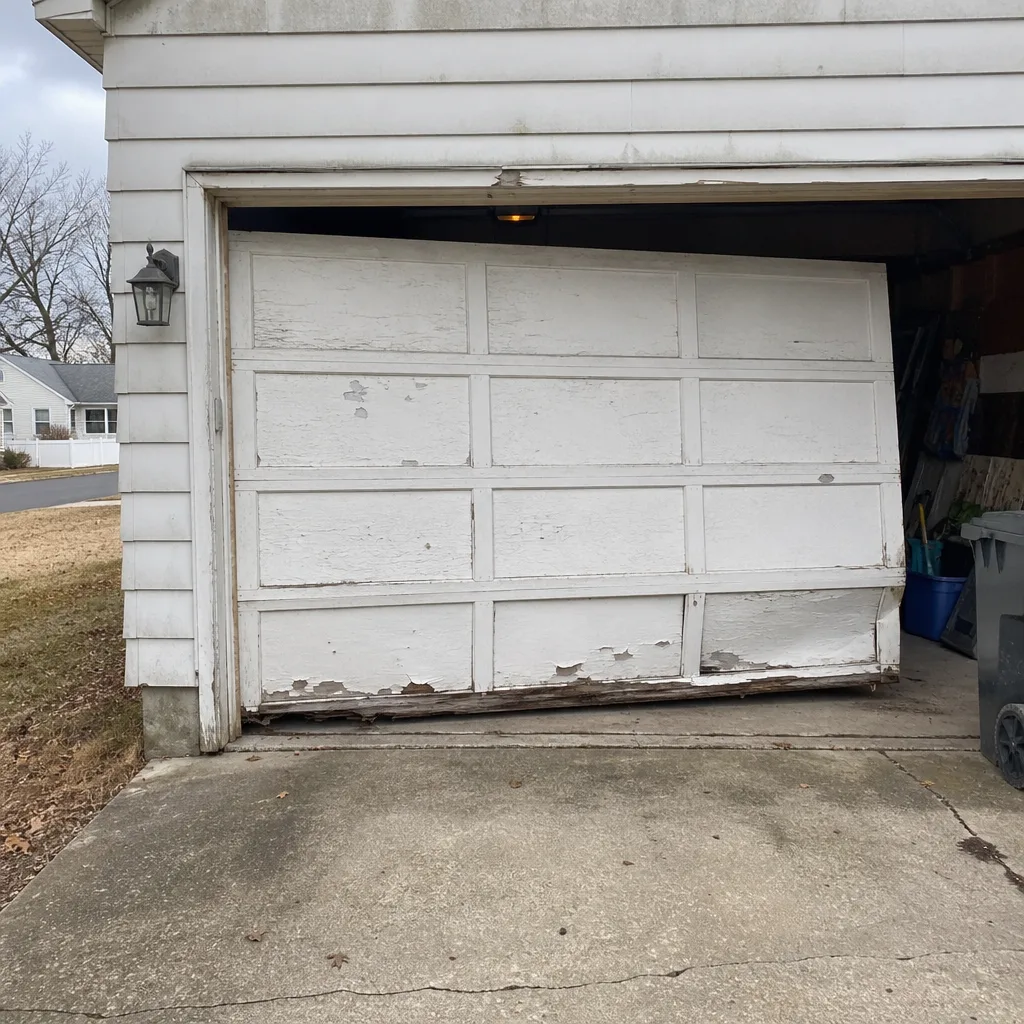 Before
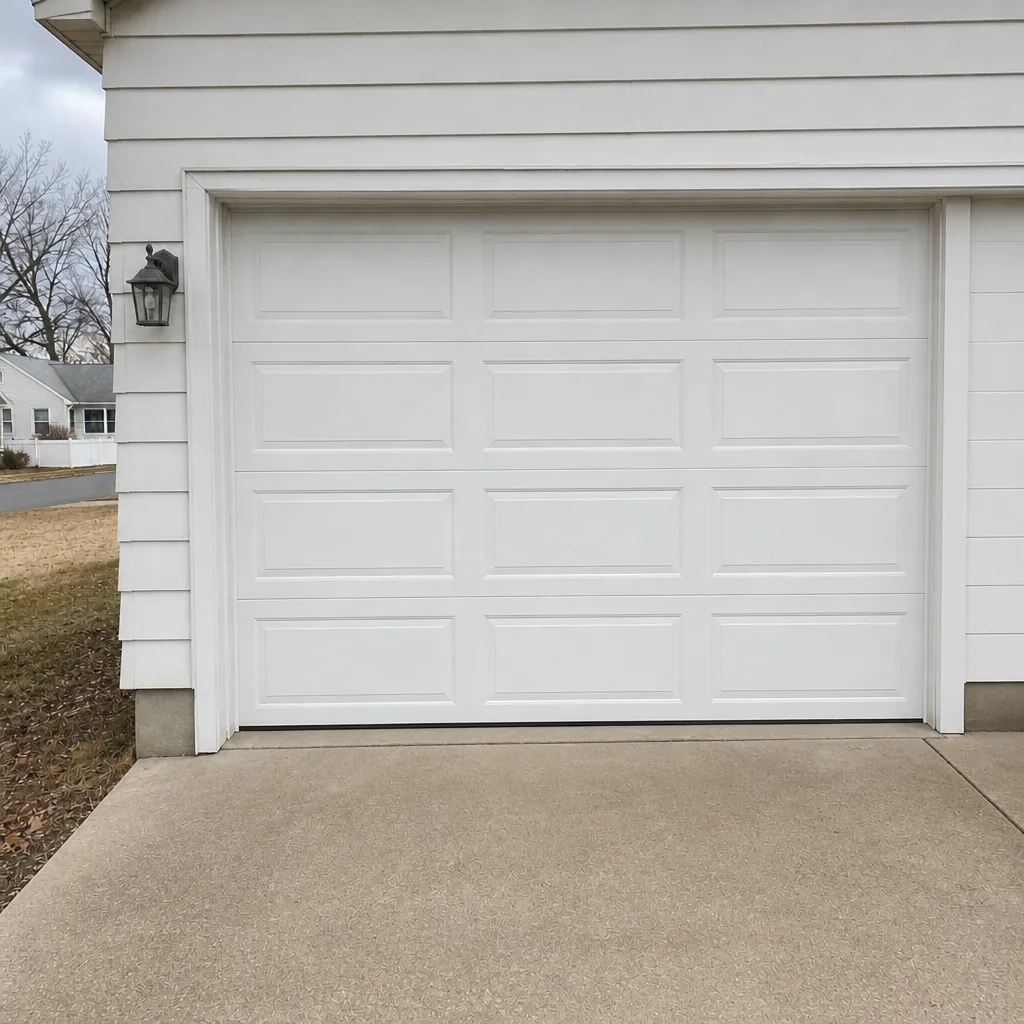 After
Frequently Asked Questions
For most Vineland homeowners the best choice is a brand that’s widely stocked and serviced locally – Clopay, Amarr, or Wayne Dalton on the door side, paired with a LiftMaster or Chamberlain opener. The reason is simple: parts availability and warranty support after the sale matter more than prestige. Call (866) 937-7821 for an exact quote – estimates are free.
The fastest check is to ask how quickly a replacement panel or hardware part can be sourced in the South Jersey market. Brands installed widely in the area, like Clopay, Amarr, and Wayne Dalton, generally stock well. If the answer is vague or measured in weeks, treat that as a warning. Call (866) 937-7821 and we’ll tell you what we can source for your door.
Not on its own. R-value ranks doors against each other for insulation, but real comfort depends on seals, fit, and whether the garage is attached to the house. A well-insulated door with worn bottom seals still leaks air. Call (866) 937-7821 to talk through what fits your garage.
Yes, because the door and opener work as one system. The opener has to be rated for your door’s weight and height, and the drive type should suit how you use the garage. A mismatched setup strains both parts and wears them early. Call (866) 937-7821 for an exact quote on sizing the system correctly – estimates are free.
No – the written quote is the price, and we agree it before any work starts. That’s the whole point of a written estimate. If something unexpected turns up, we tell you before doing anything. Call (866) 937-7821 to get an exact quote; estimates are free.
The local professionals we connect you with are licensed and insured as their state requires, and our technicians have up to 11 years of experience. Springs and cables carry serious tension, so having trained hands on the job matters. Call (866) 937-7821 with any questions before you book.
Sponsored Local Note
Vineland’s mix of housing – older ranches with tight headroom, newer colonials with wide openings, and detached workshop garages – means there’s no single right brand for every driveway. The door that serves a shaded single-car opening well may be the wrong pick for a wide, wind-exposed one. Factor in humid summers that stress steel hardware and wood seals, and choosing by serviceability and construction pays off in a way a glossy brochure never will.
The Bottom Line
Choosing a garage door brand comes down to what happens after the sale, not what the showroom promises. Pick a brand the local market can stock and service – for most Vineland homes that’s Clopay, Amarr, or Wayne Dalton on the door and LiftMaster or Chamberlain on the opener. Read steel gauge the right way, treat R-values as relative, and study warranty exclusions, especially around wear parts. Match the door to your home’s age and exposure, size the opener to the door, and always get the written estimate first. Do that, and your door keeps working long after the brochure is in the recycling.
Contact
Ready to sort out your door and opener as one system? Vineland Garage Door Repair Pros works across LiftMaster, Chamberlain, Genie, Clopay, Amarr, Wayne Dalton, Craftsman, and Raynor, with free estimates and upfront pricing. The written quote is the price, agreed before any work starts. Call (866) 937-7821 for a free estimate.
Written by the team at Vineland Garage Door Repair Pros.