Last updated November 23, 2026
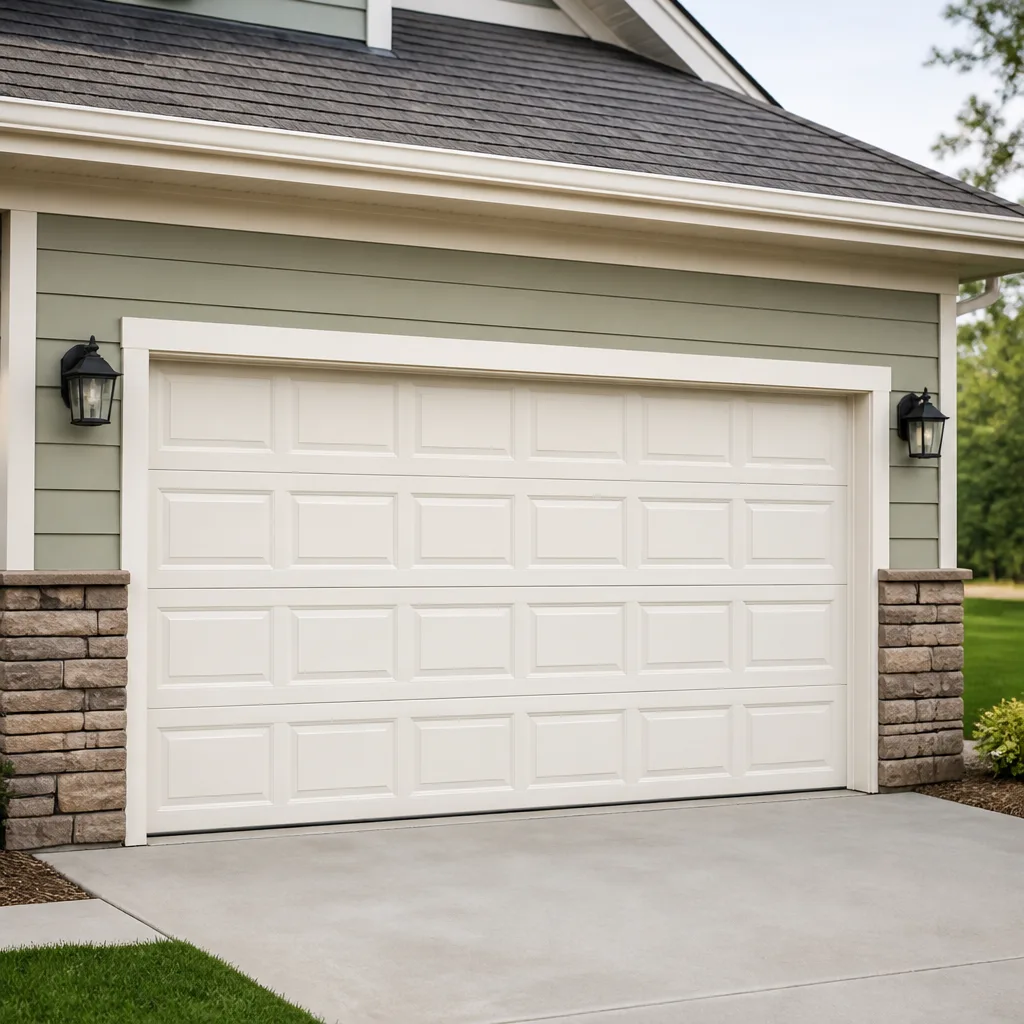 Raised-panel steel
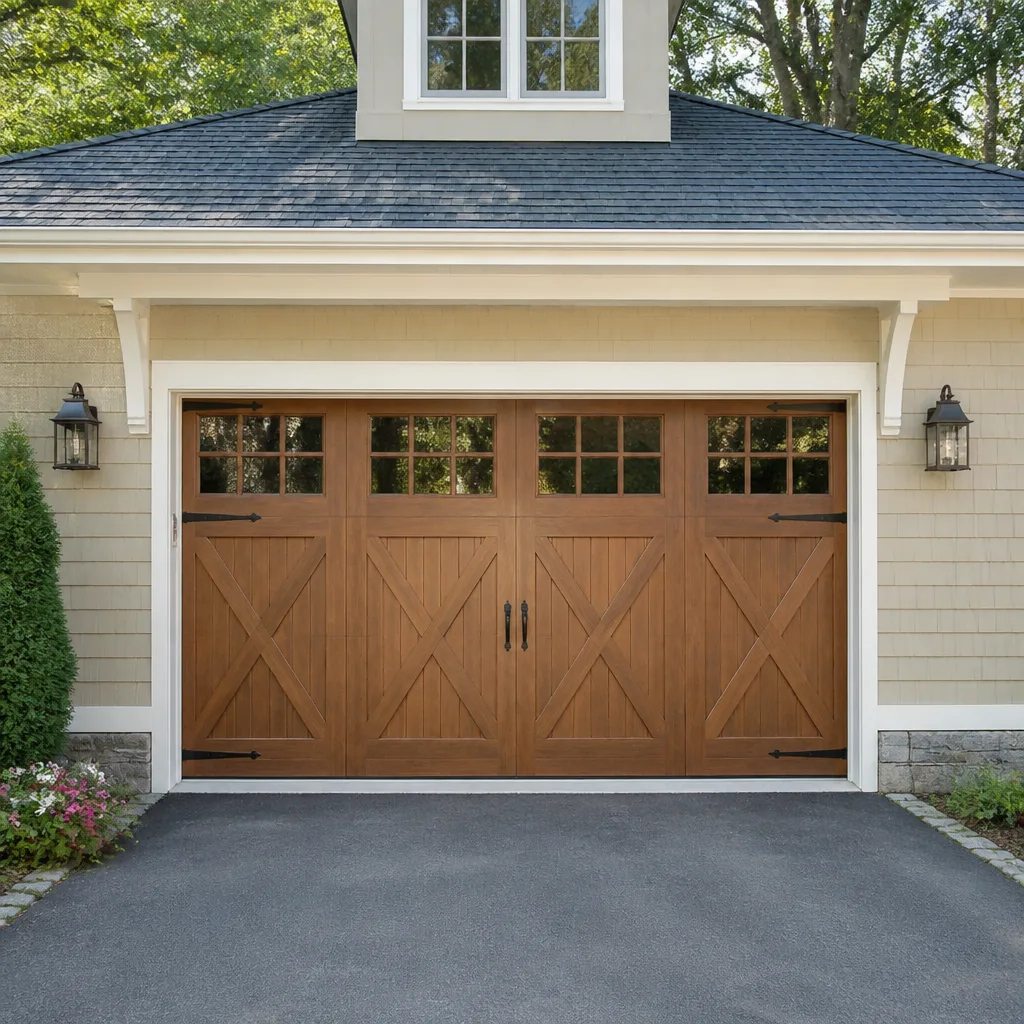 Carriage house
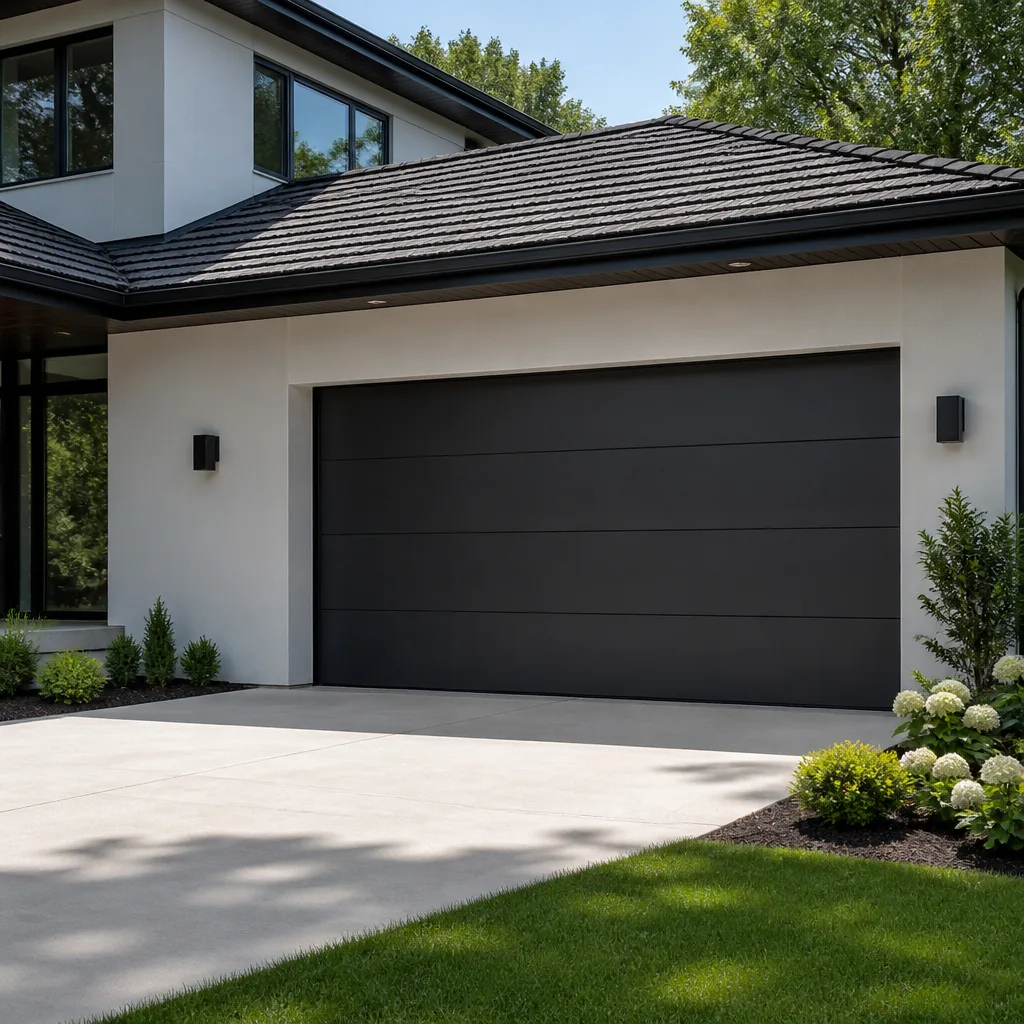 Modern flush
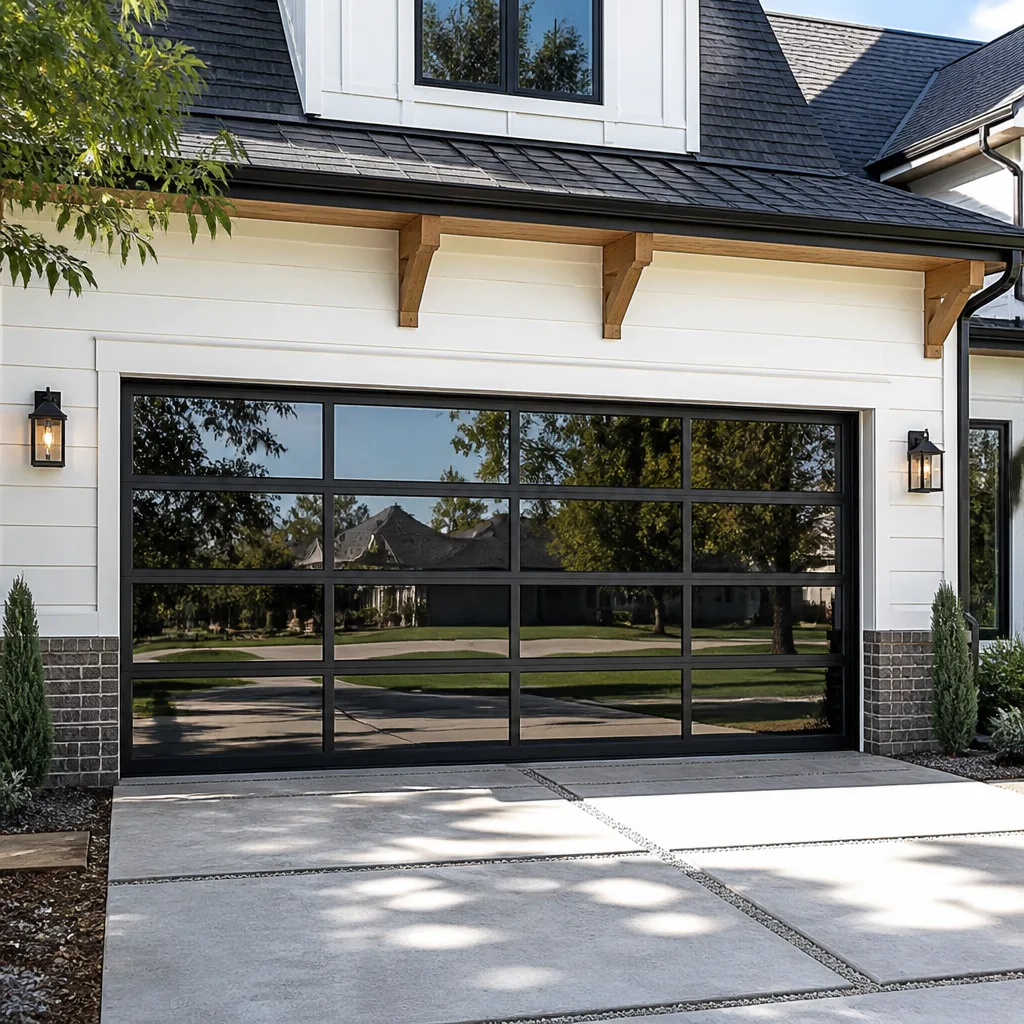 Full-view glass
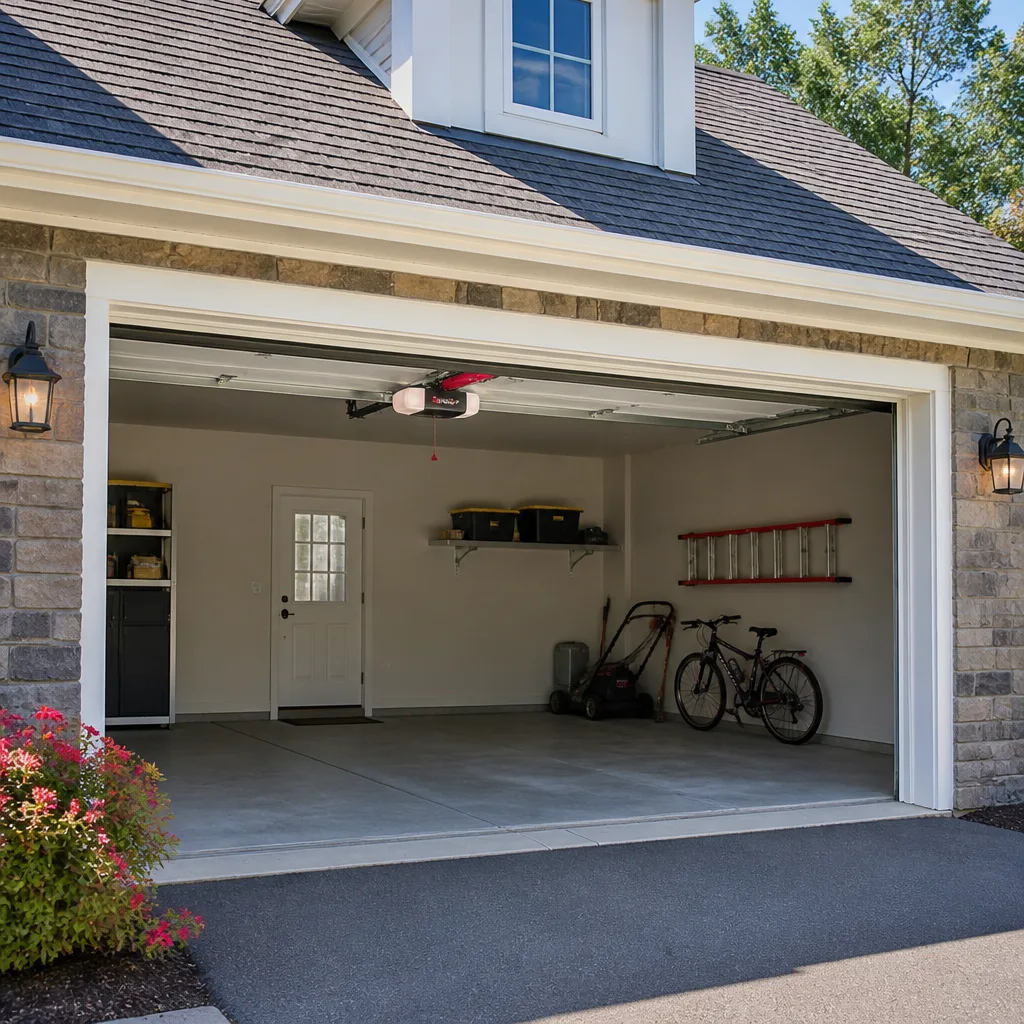 LiftMaster openers
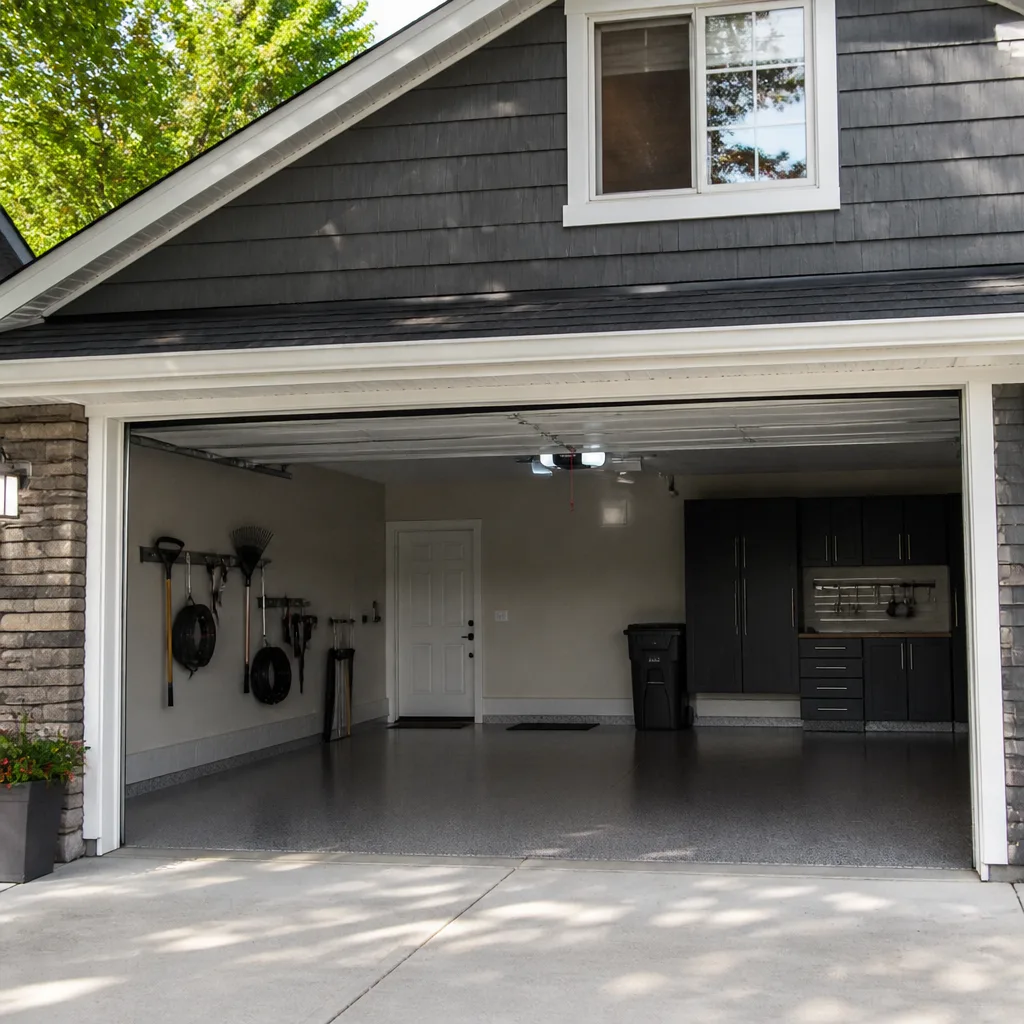 Chamberlain openers
Full 25-point door and opener safety check with every visit - springs, cables, rollers, tracks, and your LiftMaster or Chamberlain opener included
You get a price before we start. It does not change when the pro arrives.
Get your free estimateSeasonal Garage Door Care for Vineland: Year-Round Homeowner’s Guide
The grease that keeps your garage door gliding in July turns into a stiff, drag-inducing paste by January, and most homeowners are still working from the same can they bought years ago for both seasons. That single habit explains a lot of the mystery “my door suddenly got heavy” calls we get in Vineland every cold snap. A garage door doesn’t break because of one bad day. It breaks because it lives outside, in a climate with real seasons, and gets treated like an appliance that never changes with the weather. This guide walks through what your door actually experiences in Vineland quarter by quarter, what to check, and how to build a routine short enough that you’ll actually keep it.
Quick Answer
Seasonal garage door care in Vineland means matching your maintenance to the season: inspect and lubricate in spring after winter contraction, watch for humidity-driven rust in summer, replace seals and adjust springs in fall before the cold sets in, and check for ice and stiff hardware in winter. A 15-minute check each quarter, plus a professional tune-up once a year, prevents most of the failures we see in this climate.
Styles & brands we work with
- Raised-panel steel
- Carriage house
- Modern flush
- Full-view glass
- LiftMaster openers
- Chamberlain openers
Table of Contents
- Why Vineland’s Climate Is Hard on Garage Doors
- Spring: What Winter Left Behind
- Summer: Humidity, Rust, and the Right Lubricant
- Fall: The Pre-Winter Prep Sequence
- Winter: Why Doors Fail in January and February
- How Small Problems Cascade Across Seasons
- Your 15-Minute Quarterly Routine
- Brand-Specific Notes for Common Vineland Doors
Why Vineland’s Climate Is Hard on Garage Doors
Vineland sits in a climate band that delivers genuine stress in every season. Summer humidity swells wood door slabs and accelerates rust on torsion hardware. Winter cold stiffens grease and contracts metal, which changes how tracks, springs, and cables behave. Fall and spring are the transition windows where most of the avoidable damage actually sets in, because that’s when homeowners aren’t thinking about the door at all.
That matters because the garage door is your home’s most-used entry point. It cycles more times than any other door in the house, and every one of those cycles puts load on springs, bearings, rollers, and the opener drive. In a mild climate you can get away with neglect for a long stretch. In Vineland you can’t, because the door gets hit from both ends of the temperature range within a single year.
A few specifics we watch for as a garage-door-only specialist:
- Humidity swings in summer push moisture into wood panels and into the seams of steel doors, where rust starts first.
- Cold snaps in winter shrink and stiffen metal components, including the springs that carry the door’s weight.
- Freeze-thaw cycles around the door opening work on bottom seals and the concrete threshold, which is where drafts and water intrusion begin.
- Falling leaves and debris in fall collect in tracks and around the bottom seal, and that debris holds moisture against the door.
None of this is dramatic on its own. The problem is that these effects stack. A rust spot you ignore in August becomes a sticking roller in October and a seized cable by the first hard freeze. The rest of this guide is about breaking that chain early, one season at a time. When a problem has already gone past the point of a simple check, that’s what garage door repair is for, and it’s worth calling before a small issue turns into a door that won’t open at all.
Spring: What Winter Left Behind
Spring is the season to find out what winter did to your door, before you start using it heavily again. The cold contracts metal, stiffens lubricant, and puts stress on seals that sit against a frozen floor. By the time temperatures climb, some of that damage is already baked in. Spring is when you check for it.
Here’s what to look at, in order:
- Weatherstripping and bottom seal. Run your hand along the bottom seal and the perimeter weatherstripping. Look for cracks, flattening, or sections that have pulled away from the door. A seal that hardened over winter won’t bounce back, and it will let water and cold air in all year.
- Cable tension and condition. Look at the cables on both sides of the door. They should be taut and free of fraying, kinks, or rust. Frayed cables are a serious safety issue, not a maintenance item. Stop using the door and have them looked at.
- Track alignment. With the door closed, check that the vertical and horizontal tracks look straight and parallel. Cold contraction can pull a track slightly out of alignment, which you’ll feel as a door that rubs or hesitates.
- Rollers and hinges. Spin the rollers by hand where you can reach them. They should turn freely. A roller that’s stiff or flat-spotted will drag and overload the opener.
- Lubrication. This is where the season matters most. The grease from last year has done its job and is now probably too stiff or too dry. Spring is the right time to clean and re-lubricate hinges, rollers, and the torsion bar bearings.
If anything in that list looks off, especially cables or springs, don’t try to fix it yourself. Those components are under extreme tension and adjusting them without training is how serious injuries happen. A trained technician can tell you in a few minutes whether it’s a quick adjustment or a replacement. If the springs are the issue, that’s a dedicated job: garage door spring repair covers what’s involved and why it’s not a homeowner task.
Summer: Humidity, Rust, and the Right Lubricant
Summer in Vineland means humidity, and humidity is what accelerates rust on the torsion hardware at the top of your door. The torsion bar, springs, and cable drums sit in the least-ventilated part of the garage, where moist air collects and stays. Rust on those parts isn’t just cosmetic. It changes how the springs move and how much friction the whole system carries.
The single biggest summer mistake we see is using the wrong lubricant. Household oil and general-purpose grease attract dust and hold moisture, which makes rust worse over time. For garage door hardware in a high-moisture climate, you want a lubricant formulated for the job: a lithium- or silicone-based product that stays where you put it without turning into a dust magnet. Apply it to hinges, rollers, and the torsion bar bearings, not to the tracks. Tracks should stay clean and dry, because lubricant in a track collects grit and causes the door to bind.
What to watch for in summer:
- Rust spots on the torsion bar or springs. Light surface rust can be cleaned and treated. Deep or pitted rust means the part is closer to failing than you think.
- Wood door swelling. If you have a wood door, humidity makes panels swell, which can cause sticking at the frame. Check the door’s fit at the edges.
- Opener strain. A door that’s gotten heavier from friction puts more load on the opener. If the opener sounds like it’s working harder than it used to, that’s a signal, not a quirk.
- Debris and nesting. Summer is when insects and small animals find their way into the garage. Keep the bottom seal intact and clear the area around the door opening.
Summer is also a good time to check the opener itself. If your opener is aging or the door is straining it, garage door opener repair is the right call before the heavier use of fall and winter pushes it over the edge.
Fall: The Pre-Winter Prep Sequence
Fall is the most important season for garage door maintenance in Vineland, because it’s the last chance to fix things before the cold makes everything worse. The sequence matters. Do these in order and you’ll prevent the most common cold-weather failures.
- Replace the bottom seal. This is the single most overlooked fall task. A hardened or cracked bottom seal lets cold air and moisture in all winter, and it can freeze to the floor. A fresh seal gives the door a clean, flexible contact point with the concrete.
- Inspect and adjust the springs. Cold makes springs stiffer and more brittle. A spring that’s already at the end of its life will often fail in the first cold snap. Have a technician check spring tension and balance before winter.
- Clear the tracks. Fallen leaves, grit, and debris collect in the tracks. Clean them thoroughly and leave them dry.
- Lubricate with cold-weather awareness. Apply a lubricant that won’t stiffen in low temperatures. The grease that works in July may not be the right choice for January.
- Check the door balance. Disconnect the opener and lift the door halfway by hand. It should stay in place. If it drifts down or is hard to lift, the springs need attention.
- Test the safety reverse. Put a small object in the door’s path and check that the door reverses. This is a safety check that matters all year, but do it before winter when you’ll be relying on the door more.
Wayne Dalton and Amarr doors are common in this part of South Jersey, and both benefit from a careful fall check of their seals and hardware. The brands don’t change the maintenance logic, but knowing your door’s specific hardware helps a technician diagnose faster when something’s off. A professional tune-up in fall costs far less than an emergency call in February.
Winter: Why Doors Fail in January and February
January and February are when we see the most garage door failures in Vineland, and the reason is metal contraction. Cold shrinks metal, which changes the tension on springs and the alignment of tracks. Grease stiffens. Seals harden. A door that was working fine in October can suddenly feel heavy, stick, or stop responding to the opener altogether.
The role of metal contraction is worth explaining, because it clears up a lot of confusion. Your springs are calibrated to carry the door’s weight at a certain temperature. When it gets cold, the spring steel contracts and the physics shift slightly. Tracks contract too, and a track that was perfectly aligned in summer may now bind. None of this means your door is broken. It means the system is reacting to temperature, and it needs to be adjusted to match.
The most important winter rule is what never to do: if your door is frozen to the floor, do not force it open. Forcing it will damage the bottom seal, strain the opener, and can warp the door panel. Instead, clear the ice around the seal gently and let the door free itself, or call a professional if it’s stuck. Never pour hot water on the door or the seal, because the sudden temperature change can crack the seal and the concrete threshold.
Other winter checks:
- Listen to the opener. A strained or grinding sound in cold weather is a sign the door is working harder than it should.
- Watch for ice in the tracks. Ice in the tracks will stop the door cold. Keep the area clear and the seal intact.
- Don’t ignore a door that’s suddenly heavy. That’s usually spring tension, and it’s better to address it before the spring fails completely.
- Emergency service exists for a reason. A door that won’t close in January leaves your home open to the cold. That’s what emergency garage door service is for, and it’s a core part of what we do, not an afterthought.
How Small Problems Cascade Across Seasons
The reason seasonal maintenance matters more than any single repair is that problems cascade. A rust spot you notice in summer becomes a seized cable by winter. A bottom seal you skip in fall becomes a frozen door in January. A track you don’t clear in spring becomes a binding door by summer. Each season’s neglect sets up the next season’s failure.
Here’s how the cascade typically runs in this climate:
- Summer rust on torsion hardware becomes winter friction as the rust thickens and the metal contracts.
- Fall seal neglect becomes winter ice intrusion as moisture gets past a cracked seal and freezes.
- Spring track misalignment becomes summer opener strain as the door drags against an off-track roller.
- Winter spring stress becomes spring failure in the next cold snap, because the spring was already weakened and never adjusted.
Breaking the cascade is mostly about timing. If you catch a rust spot in summer, you prevent a winter cable failure. If you replace a seal in fall, you prevent a winter freeze. The whole point of a quarterly routine is to interrupt the chain before it has a chance to run its course. This is also why we recommend a professional tune-up once a year: a trained eye catches the early signs that a homeowner might miss, and the cost of a tune-up is far below the cost of an emergency repair.
Your 15-Minute Quarterly Routine
You don’t need to be handy to keep your garage door in good shape. You need 15 minutes, four times a year, and a short checklist. Here’s the routine we recommend for Vineland homeowners. Do it in spring, summer, fall, and winter, adjusting the focus to the season.
- Look at the door from the outside. Walk around and check for rust, dents, and damage to the panels. Two minutes.
- Check the bottom seal and weatherstripping. Look for cracks, flattening, or gaps. Two minutes.
- Inspect the cables and springs visually. Look for fraying, rust, or obvious damage. Don’t touch them; just look. Two minutes.
- Test the door balance. Disconnect the opener, lift the door halfway, and see if it stays. Two minutes.
- Listen to the opener. Run the door and listen for grinding, straining, or unusual sounds. Two minutes.
- Test the safety reverse. Put an object in the door’s path and confirm it reverses. One minute.
- Clean and lubricate. In spring and fall, clean the tracks and lubricate the hinges and rollers with the right product for the season. Four minutes.
That’s it. Fifteen minutes, four times a year, and you’ll catch most problems before they become expensive. The seasonal focus shifts: spring is about recovery from winter, summer is about rust and humidity, fall is about pre-winter prep, and winter is about listening for strain. If you do nothing else, do the fall sequence. It prevents the most common and most expensive cold-weather failures.
Brand-Specific Notes for Common Vineland Doors
We work on your brand, and the brands matter because the hardware differs. A Wayne Dalton door has different spring and track geometry than an Amarr, and the opener brand affects how the door responds to strain. Being brand-fluent means a technician diagnoses without guesswork and doesn’t have to order a part that doesn’t fit.
Here’s what to know about the brands we see most in this area:
- Wayne Dalton. Common in South Jersey homes. Their torsion systems and seals have specific replacement specs, so it helps to know the model when you call.
- Amarr. Steel doors that hold up well but need attention to the bottom seal and hardware in humidity. Worth checking for rust at the seams in summer.
- Craftsman. Openers are common and reliable, but an aging Craftsman unit puts more strain on a door that’s already stiff in cold weather. If the opener is struggling, it’s usually the door, not the opener.
- Raynor. Commercial and residential doors with robust hardware that still needs seasonal lubricant and spring checks, especially in a cold snap.
We also service LiftMaster, Chamberlain, Genie, and Clopay, and the same seasonal logic applies across all of them. The brand tells you what to expect; the season tells you what to check. If you’re not sure what you have, a technician can identify it on sight. You don’t need to know your model number to get started, though it does speed things up. For a full-system look at what we handle, start at Vineland Garage Door Repair Pros, where repair, opener service, spring work, and installation all live under one roof.
Common Mistakes to Avoid
- Using household oil or WD-40 as a garage door lubricant. These attract dust and hold moisture, which makes rust worse in Vineland’s humid summers. Use a product made for garage door hardware.
- Lubricating the tracks. Tracks should stay clean and dry. Lubricant in a track collects grit and causes binding, which is the opposite of what you want.
- Ignoring a cracked bottom seal. It seems minor until winter, when moisture gets past it and freezes the door to the floor. Replace it in fall.
- Forcing a frozen door open. This damages the seal, strains the opener, and can warp the panel. Clear the ice gently or call a professional.
- Adjusting springs yourself. Springs are under extreme tension. This is not a DIY repair, and the risk of serious injury is real. Leave it to a trained technician.
- Skipping the fall tune-up. Fall is the last chance to fix things before winter. A fall tune-up prevents the January failures we see most often.
- Assuming a straining opener is the opener’s fault. Most of the time it’s the door getting heavier from friction or spring tension. Fix the door and the opener recovers.
See the difference
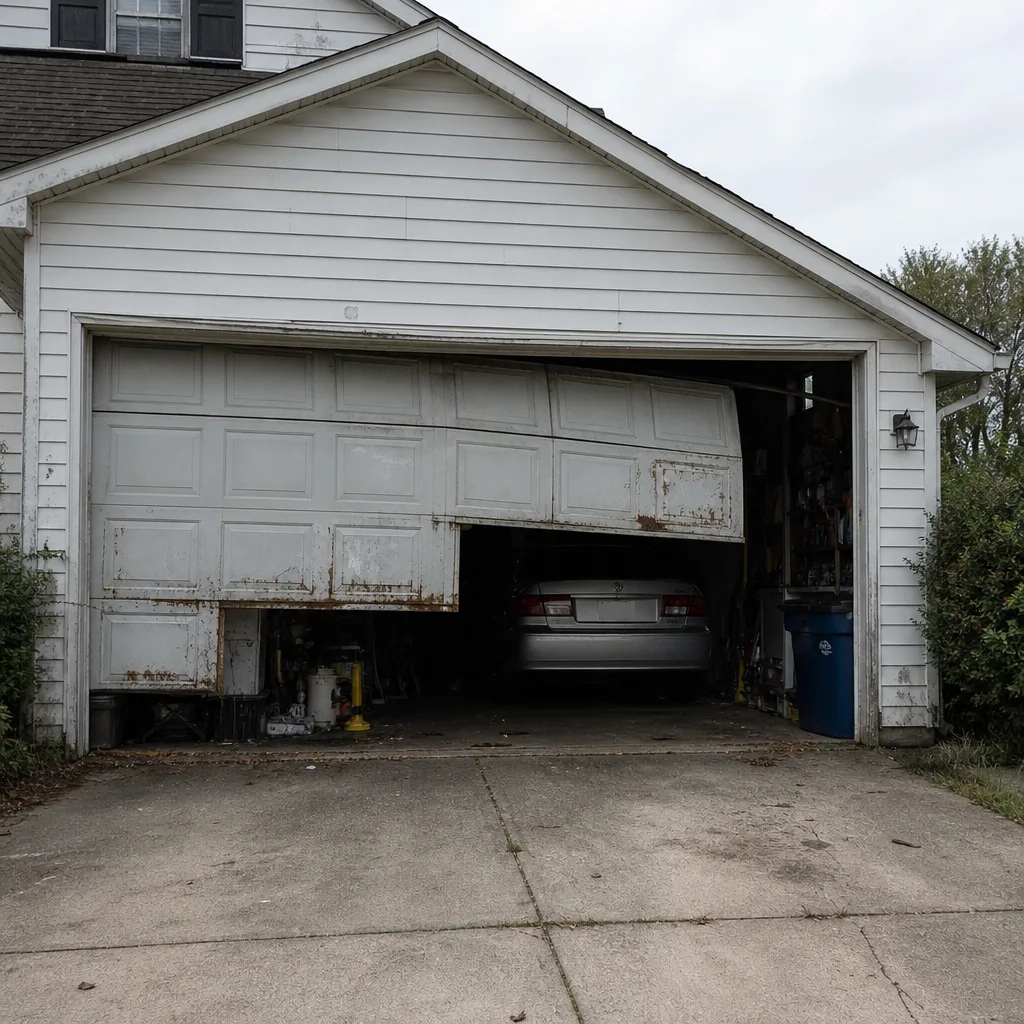 Before
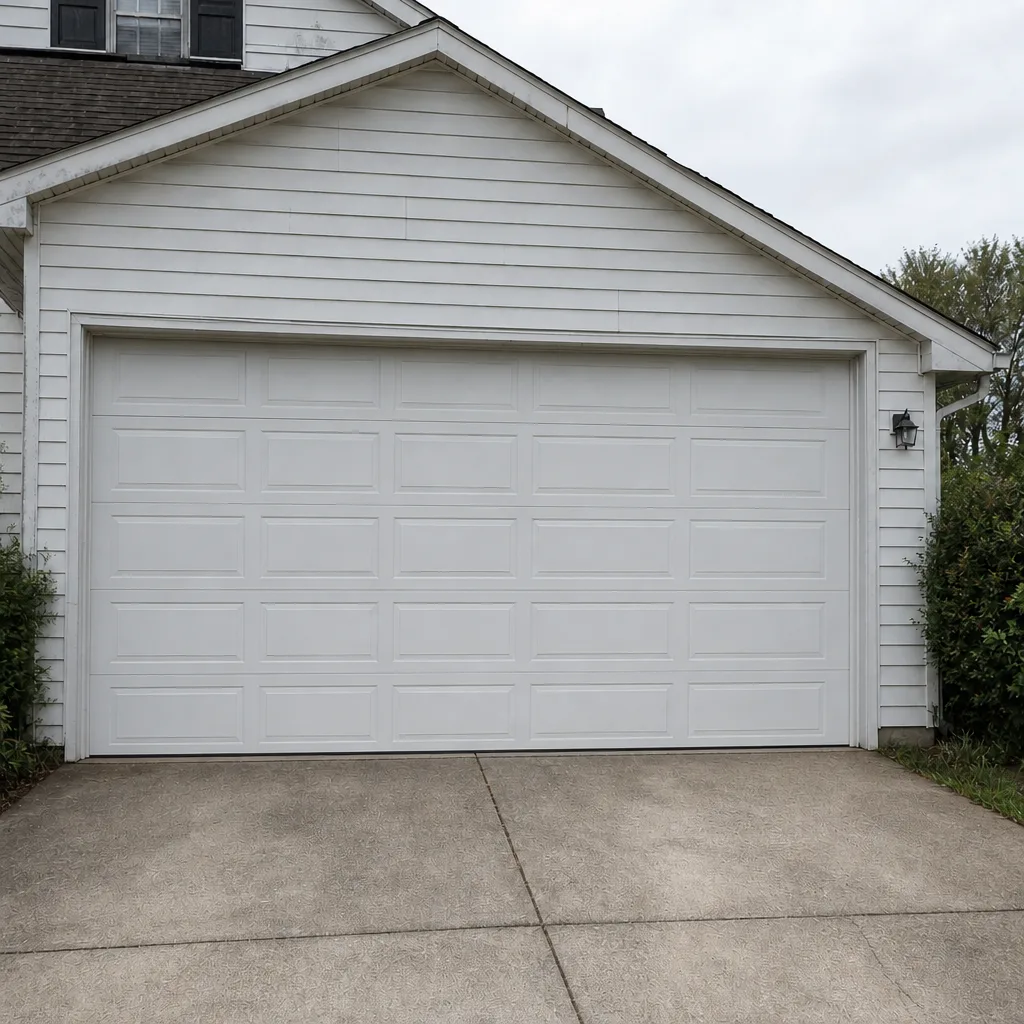 After
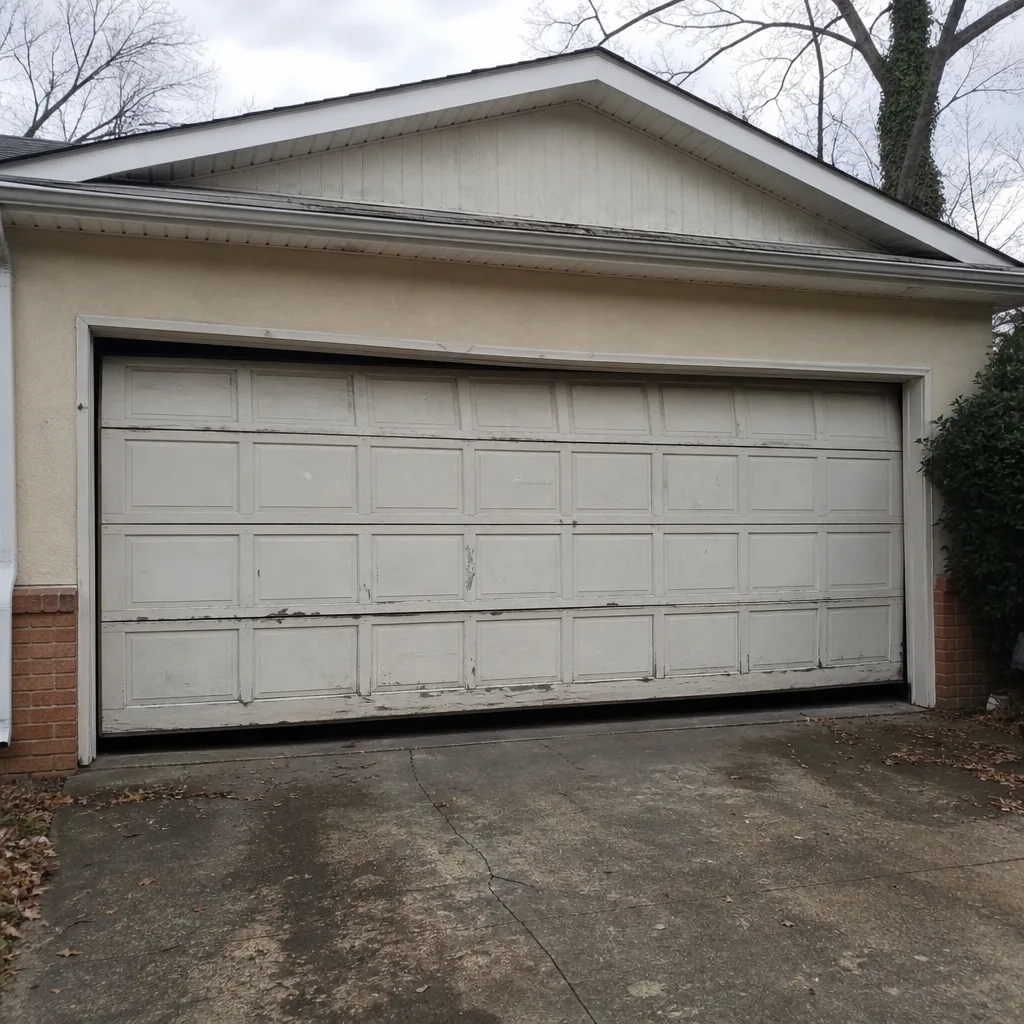 Before
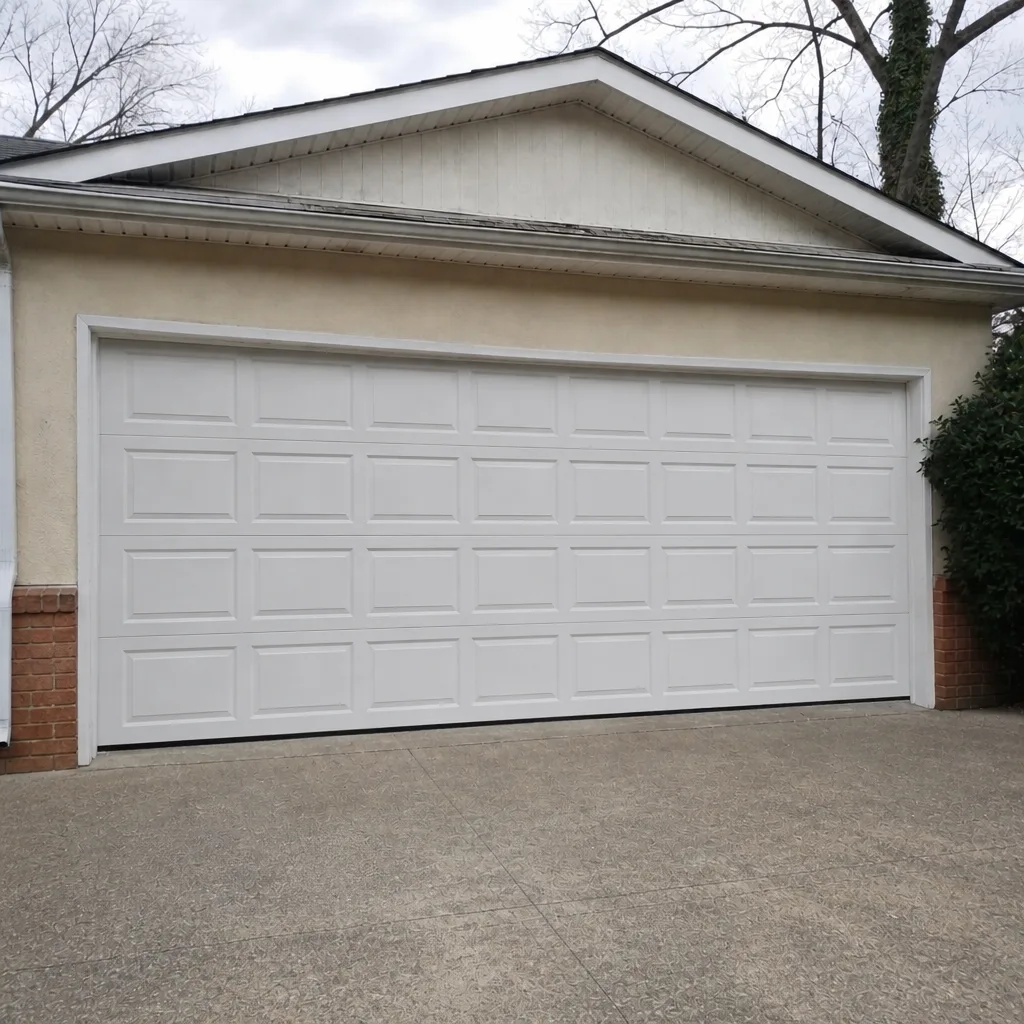 After
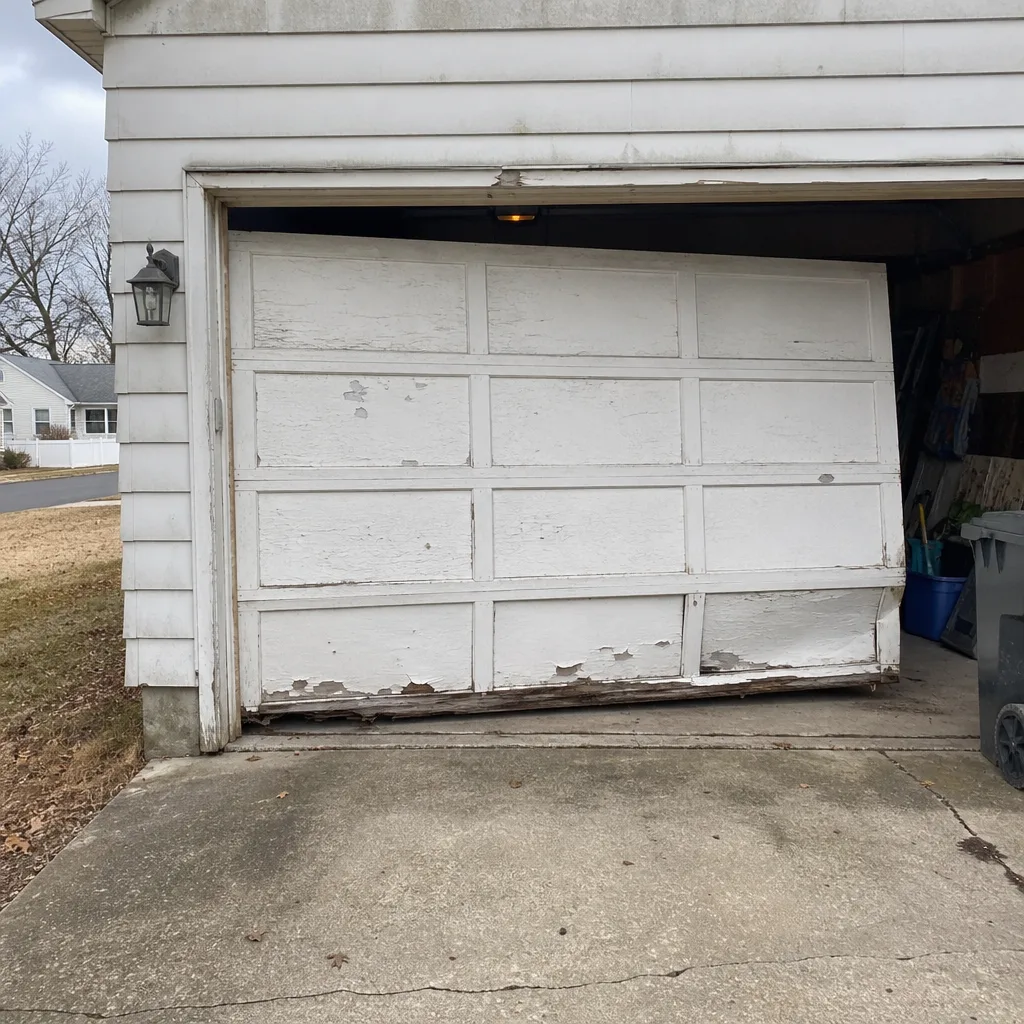 Before
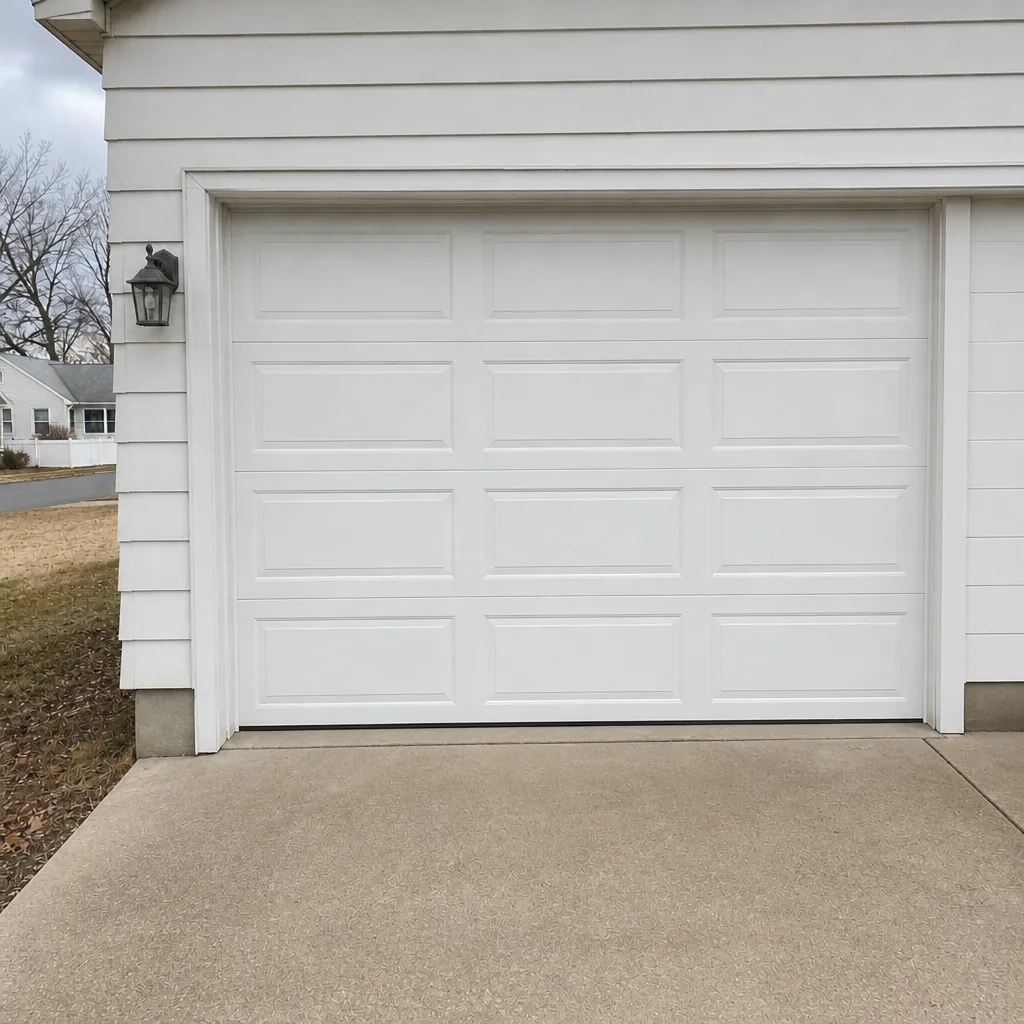 After
When to Call a Professional
Some tasks are homeowner-friendly: visual checks, cleaning tracks, lubricating hinges, and testing the safety reverse. Some are not. Call a professional when you see frayed or rusted cables, a spring that’s visibly broken or sagging, a door that’s off its track, a door that won’t balance when you lift it by hand, or an opener that strains or grinds after you’ve checked the door. Also call if the door has frozen to the floor and won’t free itself, or if you’ve had a failure that leaves your home unsecured. Springs and cables are under extreme tension and adjusting them without training is how injuries happen. Vineland Garage Door Repair Pros offers free estimates in Vineland. Call (866) 937-7821 and we’ll take a look, quote the work before anything starts, and tell you straight whether it’s a quick adjustment or a repair.
Frequently Asked Questions
You should do a 15-minute visual check four times a year, once per season, plus a professional tune-up once a year. The fall check is the most important in this climate, because it’s the last chance to fix issues before the cold makes them worse. Call (866) 937-7821 for a free estimate if you’d rather have a technician do the full check.
A lithium- or silicone-based lubricant made for garage door hardware is the right choice. Household oil and general-purpose grease attract dust and hold moisture, which makes rust worse in Vineland’s humid summers. Apply it to hinges, rollers, and torsion bar bearings, and keep the tracks clean and dry.
Cold contracts metal, which changes spring tension and track alignment, and it stiffens grease and hardens seals. A door that worked fine in October can suddenly feel heavy or stick in January. A fall tune-up and a fresh bottom seal prevent most of these failures. Call (866) 937-7821 if your door is already struggling this winter.
Replacing a bottom seal is a reasonable homeowner task on many doors, but it depends on the door type and how the seal is attached. If your seal is integrated with the door’s frame or you’re not sure, a professional can do it quickly. We offer free estimates, so call (866) 937-7821 and we’ll tell you what’s involved.
Usually, yes. A straining opener is most often reacting to a door that’s gotten heavier from friction or spring tension, not a failing opener. Check the door balance and lubricate the hardware first; if it’s still straining, it needs a professional look. Call (866) 937-7821 for a free estimate.
We service LiftMaster, Chamberlain, Genie, Clopay, Amarr, Wayne Dalton, Craftsman, and Raynor. Being fluent across those brands means we diagnose without guesswork and get the right parts. If you’re not sure what you have, a technician can identify it on sight. Call (866) 937-7821.
The Bottom Line
Seasonal garage door care in Vineland comes down to matching your maintenance to what each season actually does to the door. Spring is for recovering from winter, summer is for rust and humidity, fall is for pre-winter prep, and winter is for listening for strain. A 15-minute quarterly check, a proper lubricant, a fresh seal in fall, and a professional tune-up once a year prevent most of the failures we see in this climate. The small problems you catch early don’t cascade into winter emergencies. And when something is beyond a simple check, especially with springs or cables, call a specialist rather than forcing it. One call covers the door, the opener, the springs, and the installation.
If your garage door is due for a tune-up, showing signs of seasonal strain, or simply isn’t sure where it stands, call Vineland Garage Door Repair Pros at (866) 937-7821 for a free estimate. We’ll check the door, the opener, the springs, and the seals, quote the work before anything starts, and get you set up for the season ahead.
Written by the team at Vineland Garage Door Repair Pros.