Last updated November 23, 2026
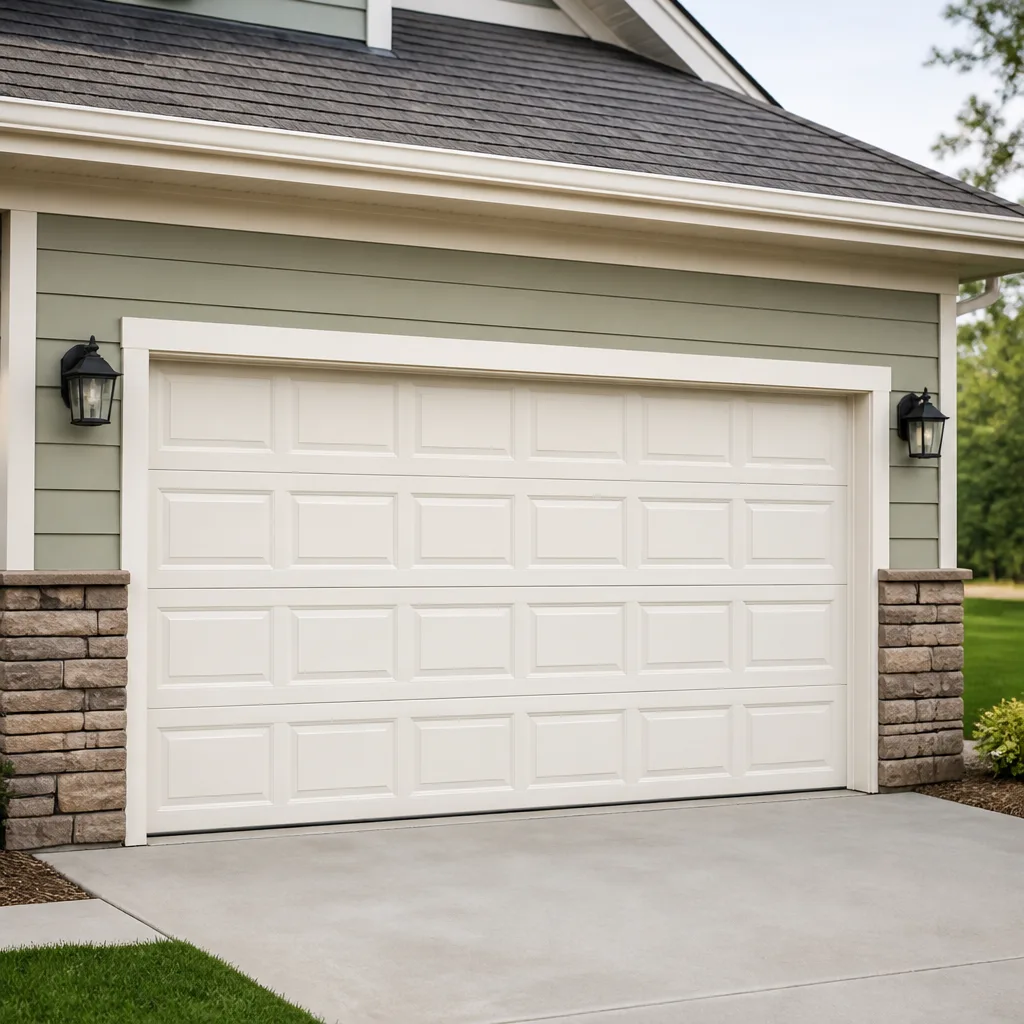 Raised-panel steel
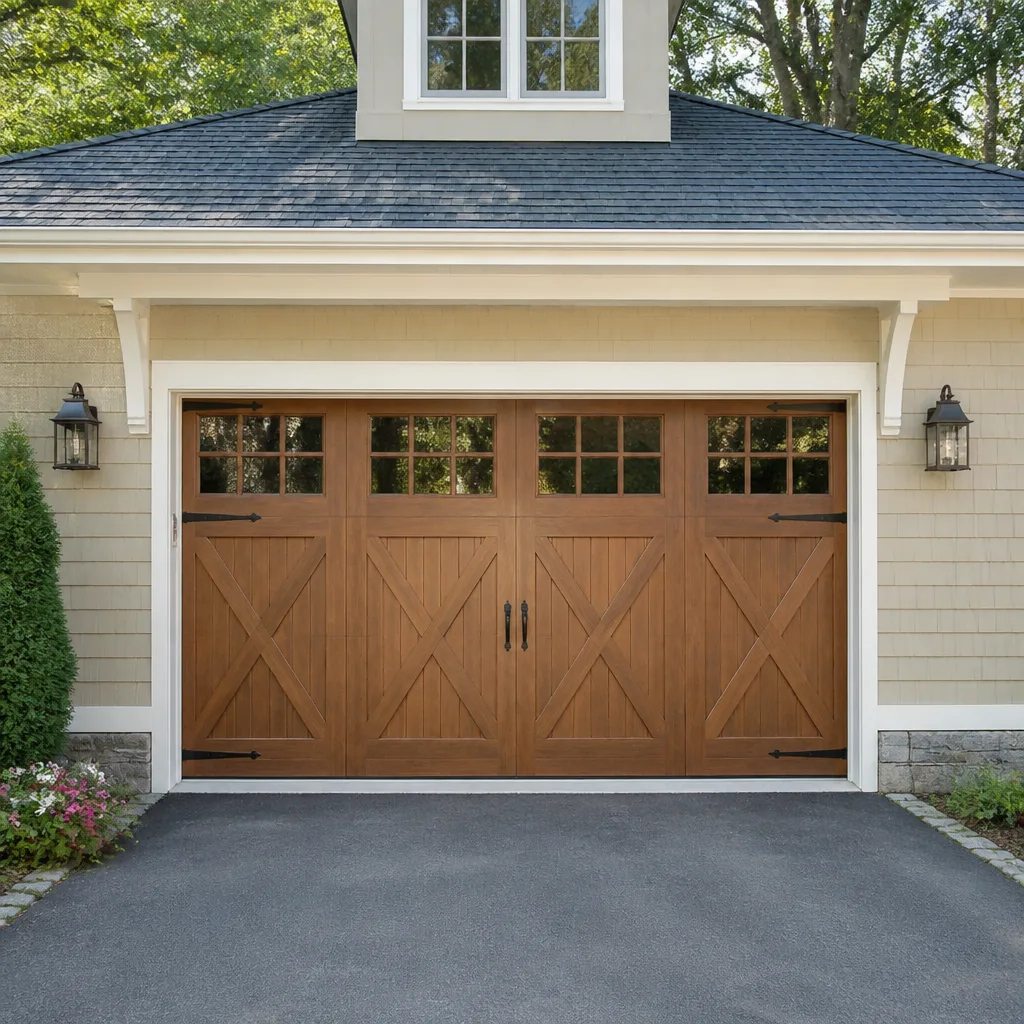 Carriage house
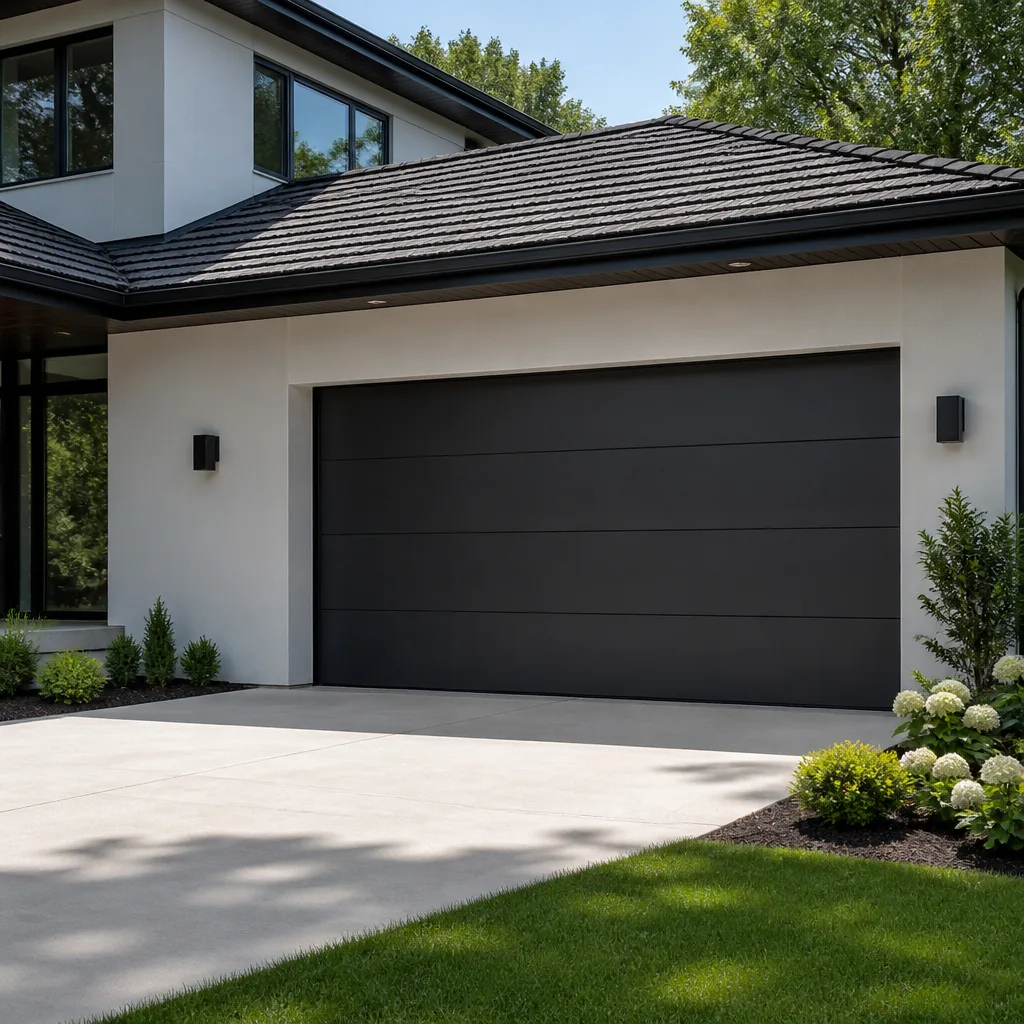 Modern flush
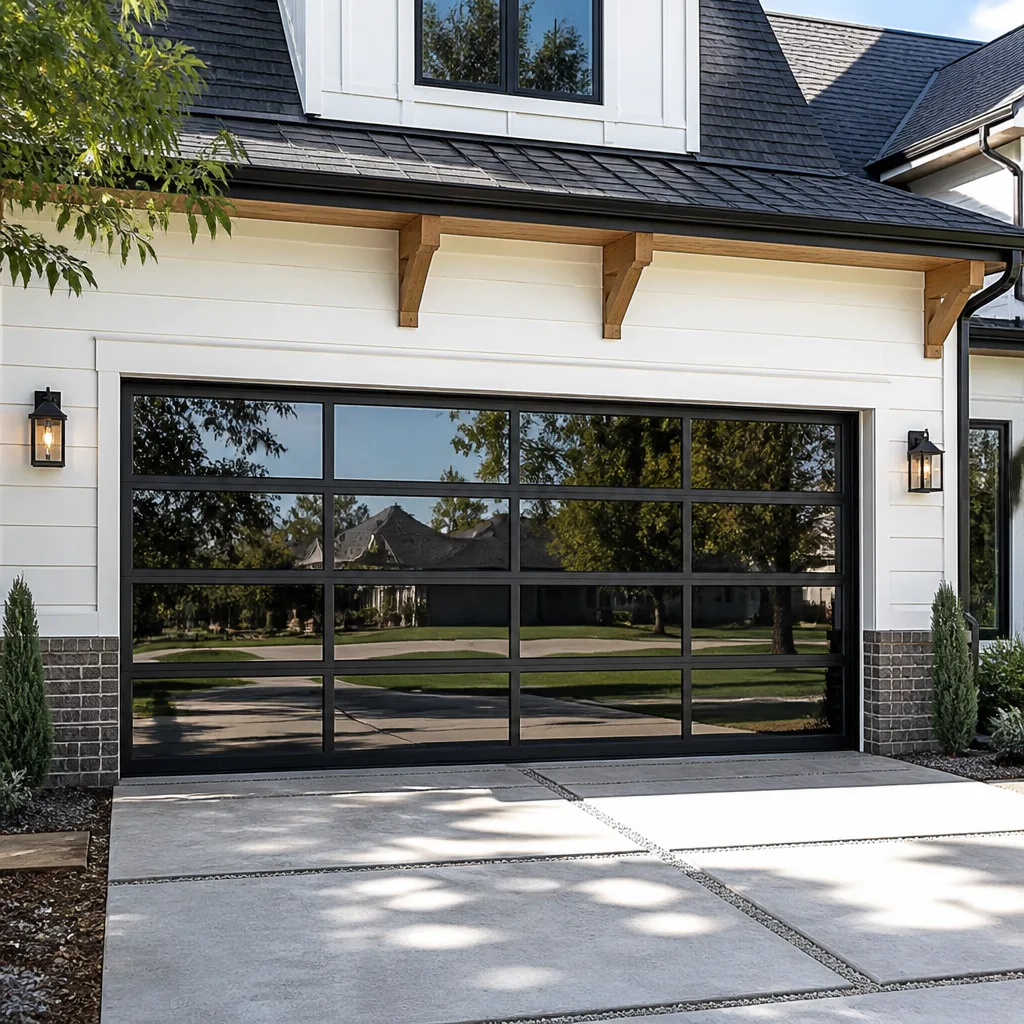 Full-view glass
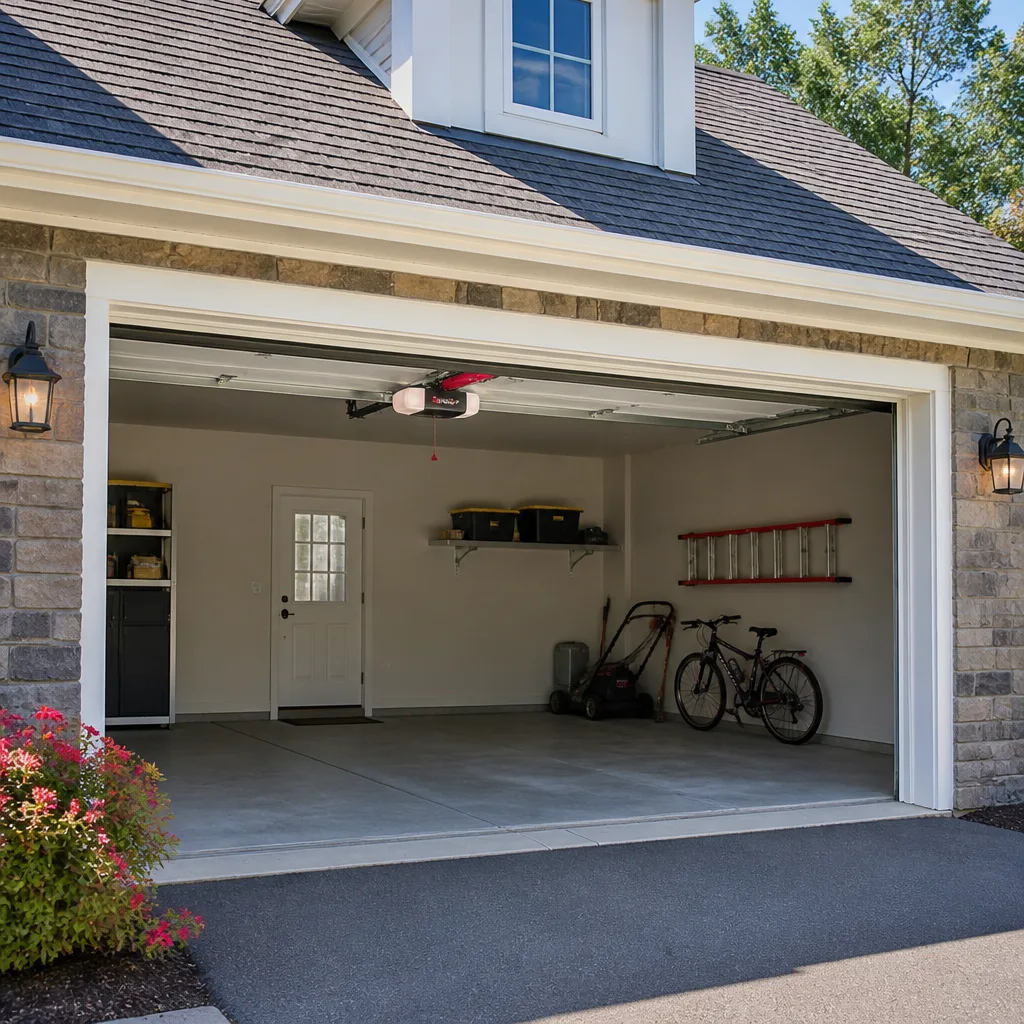 LiftMaster openers
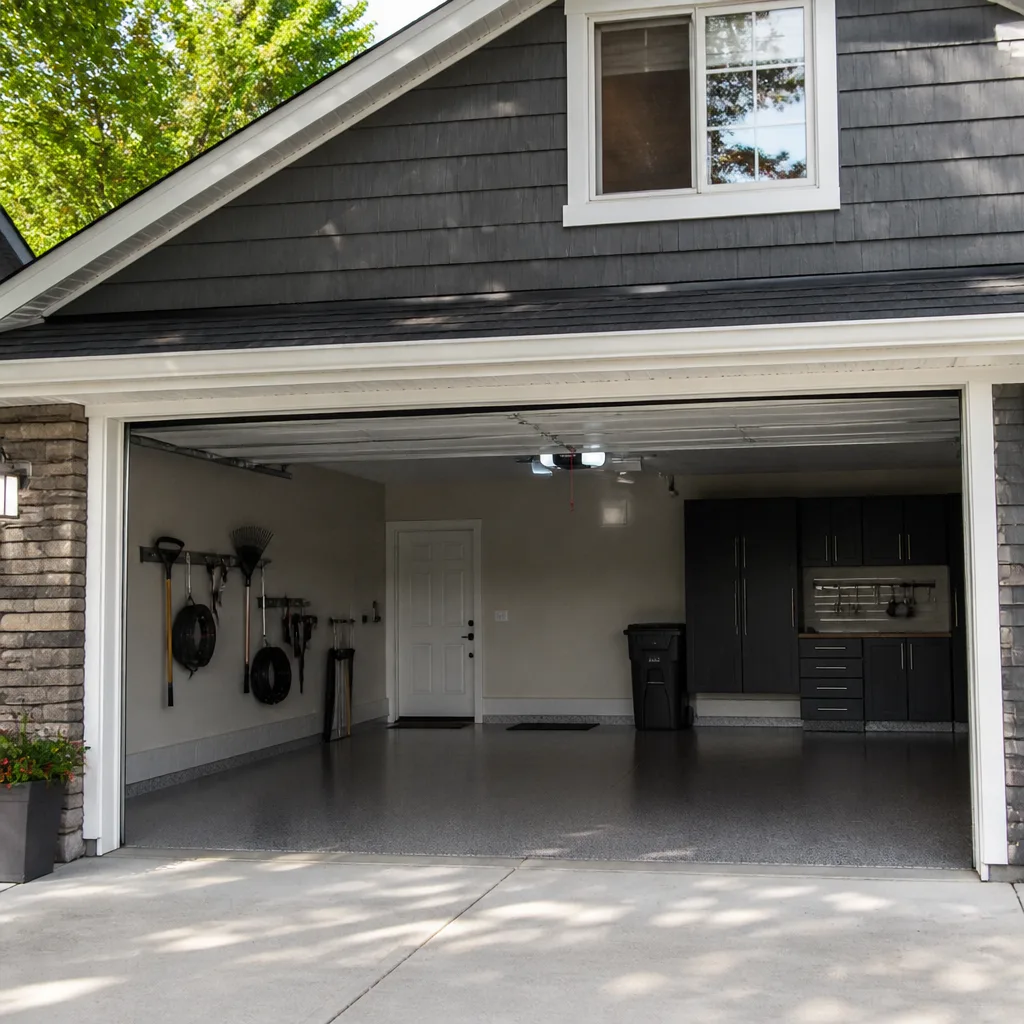 Chamberlain openers
Full 25-point door and opener safety check with every visit - springs, cables, rollers, tracks, and your LiftMaster or Chamberlain opener included
You get a price before we start. It does not change when the pro arrives.
Get your free estimateThe Complete Guide to Garage Doors in Vineland
Most people think of their garage door as one thing: a big panel that goes up and down. It isn’t. Your garage door is a system of five separate components that depend on each other, and treating it like a single product is the fastest way to overspend on garage door work in Vineland. That one mental shift changes everything about how you buy, fix, and maintain the largest moving mechanical object in your home.
In this guide, we map the full ecosystem. How each part loads the next. What South Jersey’s humidity and temperature swings do to steel, wood, and composite over the years. How residential and semi-commercial hardware actually differ. How to read your door’s rating plate, and a clear repair-versus-replace decision tree you can use right now.
Quick Answer
A garage door in Vineland is a five-part system: panels, tracks, springs, cables, and the opener, and every one of them stresses the others. Understanding how those parts interact lets you choose repair, tune-up, or replacement based on real condition instead of guesswork. Most decisions come down to component condition and door age: a door that needs one small hardware fix is a repair, a door whose panels, springs, and opener are all aging out is usually a replacement.
Styles & brands we work with
- Raised-panel steel
- Carriage house
- Modern flush
- Full-view glass
- LiftMaster openers
- Chamberlain openers
Table of Contents
- The Five Subsystems and How They Interact
- What South Jersey Climate Does to Your Door Materials
- Residential vs. Semi-Commercial Hardware
- How to Read a Garage Door Rating Plate
- Repair, Tune-Up, or Replace: A Decision Tree
- The Annual Tune-Up Checklist
- Brands, Parts, and Where Systems Go Wrong
The Five Subsystems and How They Interact
Your garage door does not fail one part at a time. It fails in sequence, because every component carries load that the others are counting on it to balance. Change one part and you change the forces on the rest. That’s the core insight most homeowners miss, and it’s why a “small” problem so often turns into a bigger one a few weeks later.
Here are the five subsystems and what each one does under load:
- Panels. The visible door itself. Panels carry the door’s weight and stiffness, and a dented, split, or decaying panel changes how the whole door hangs in its tracks. Steel and composite panels are more dimensionally stable than wood, which expands and contracts with seasonal moisture.
- Tracks. The metal rails that guide rollers. Tracks keep the door traveling in a straight line. A bent or out-of-plumb track forces rollers to grind and can cause the door to bind or come off its path entirely.
- Springs. Torsion springs (mounted on a shaft above the door) and extension springs (running alongside the horizontal tracks) do the heavy lifting. They counterbalance the door’s weight so your opener only has to nudge it. When a spring fatigues, the opener suddenly has to lift the full weight of the door and starts working far harder than it was designed to.
- Cables. The steel cables connect the springs to the bottom of the door. If a cable frays or slips, the door can drop or travel crooked, and the spring’s stored energy has nothing to release into safely.
- Opener and drive. The motor and rail, belt, chain, or screw that moves the door. Openers are rated for a certain amount of door weight and a certain cycle life. An opener laboring against a tired spring burns out faster than one doing its intended share.
The takeaway is simple: a spring that stretches beyond its working life taxes the opener. A bent track stresses the cables. A warped panel changes the load on everything above it. When we look at a garage door in Vineland that’s “been acting up,” we look at all five subsystems, not just the part the homeowner noticed. That’s what keeps a $200 hardware fix from becoming a full system replacement six months later.
What South Jersey Climate Does to Your Door Materials
Vineland sits in a climate that swings hard: humid summers, freezing stretches in winter, and a lot of freeze-thaw cycles across the seasons. That combination is hard on garage doors, and it hits different materials in different ways. Knowing what your material does over time helps you spot the right problem before it spreads.
Steel doors are the most common in Vineland, and for good reason. They’re strong and dimensionally stable. But steel rusts, especially where factory paint gets dinged or scratched. The humid stretch through July and August speeds surface corrosion, and the freeze-thaw cycle can work moisture into seams and hinges. A quick touch-up on scratched steel goes a long way here.
Wood doors respond to humidity the most dramatically. Summer moisture makes the wood swell; winter dryness shrinks it. Over years, that cycle opens joints, cracks paint, and warps panels if the finish isn’t kept up. A wood door in South Jersey needs its finish refreshed more often than the manufacturer’s marketing implies, because our humidity is working against it.
Composite doors split the difference. They resist moisture and rot well and don’t expand or contract like wood, though they can fade or chalk over time and cost more up front than a basic steel door. For Vineland homeowners who want the look of wood without the seasonal upkeep, composite is worth thinking through.
No matter the material, the practical rule is the same. Keep the finish intact, clear debris from the tracks after storms, and check the bottom weather seal, which is the part most exposed to moisture and freezing. The Cumberland County climate won’t damage a well-kept door dramatically, but a neglected one ages visibly faster here than in a drier region.
Residential vs. Semi-Commercial Hardware
Most Vineland homes have a standard residential door, and that’s the right tool for the job. But some properties genuinely benefit from semi-commercial-grade hardware, and it’s worth knowing which side of the line you’re on before you let anyone talk you into an upgrade you don’t need.
Here’s how the two grades actually compare:
- Cycle life. Residential springs and hinges are rated for a certain number of open-and-close cycles. Semi-commercial components are built to last notably longer, because they’re designed for doors that run far more often.
- Gauge and weight. Semi-commercial springs, cables, and hinges are heavier and thicker. They carry more load and hold up to repeated use that would fatigue residential parts faster.
- Opener duty rating. Residential openers are rated for typical household cycles. Semi-commercial-grade openers handle higher cycle counts and heftier doors.
- Wind load. Semi-commercial hardware, paired with a properly rated door, is built to take more pressure. That matters for wider doors and for buildings with larger openings.
When does a Vineland homeowner actually need the upgrade? Usually in three cases: a door that runs many times a day because it’s on a home business or an active household, an oversized or unusually heavy door, or a property that’s a small commercial building like a workshop or rental unit. For a standard two-car residential door that opens a handful of times a day, residential-grade parts are the sensible choice, and upgrading just adds cost without adding benefit.
If you’re not sure which grade you have, that’s a reason to have someone read the hardware, not a reason to guess. Our technicians have up to 11 years of experience telling the two apart at a glance, and it saves a lot of wrong purchases.
How to Read a Garage Door Rating Plate
Your door’s rating plate is the label on the door or its frame, and it tells you more about how the door is meant to be used than the sales brochure ever did. Most homeowners never look at it. Here’s what the key numbers mean in real-world terms.
- Cycle count. This tells you how many open-and-close cycles the door or its springs are rated for. Divide it by your daily cycles to estimate how many years of life you have left. If your house runs the door four times a day, a lower-rated door will reach its limit sooner than one rated higher.
- Wind load. This is the pressure the door is rated to withstand. For Vineland, wind load matters most on wide doors and on any door facing an open or exposed side of the property. A door under-rated for its opening flexes more in a storm.
- R-value. This is the door’s insulation rating, and it tells you how well the door resists heat transfer. It matters most if your garage is attached and shares a wall with living space, or if you use the garage as a workspace. An uninsulated single-layer door has essentially no R-value; a multi-layer insulated door does.
- Door weight. Often on the plate or the opener label, this is the number your springs and opener must be matched to. Mismatched weight ratings are one of the most common causes of premature spring and opener failure.
Read the plate before you buy a replacement door or a new opener. A door with a high cycle count and a solid R-value may be worth keeping even when it’s older, while a door under-rated for its opening is a candidate for replacement regardless of how it looks. The plate is the door’s honest résumé, and it’s usually the first thing we check on a garage door in Vineland during an evaluation.
Repair, Tune-Up, or Replace: A Decision Tree
This is the question every homeowner eventually faces, and the answer comes down to component condition and door age, not to how the door looks. Use this decision path in order, and you’ll land in the right place.
- Is the problem one component? A single broken spring, a dead opener, a bent track, or a snapped cable is a repair. Replacing a whole door because one part failed is almost always money wasted.
- Are two or three subsystems worn at once? Say the springs are tired, the opener is laboring, and the tracks have seen better days. If the door is otherwise sound, a tune-up that resets all of it is the call. You can read more about what that involves in our guide to garage door repair.
- Is the door itself the problem? Warped panels, widespread rust, cracked wood, or a door whose rating plate is under-rated for its opening point toward replacement. A door that’s had multiple panel repairs is usually sending the message.
- Is the opener the only aging part? A modern opener on a solid door is a repair or replacement of the opener alone. Our garage door opener repair service covers the drive system without touching a good door.
- Is the cost of the next round of repairs approaching the cost of a new door? When the estimate for keeping an old door alive gets into the same neighborhood as a well-rated new door, replacement is the better long-term value, especially given Vineland’s seasonal swing.
The best single signal to watch is the pattern of failures. One repair in a few years is normal wear. A new problem every few months is the system telling you that the components have aged out together. That’s not a coincidence. It’s five subsystems reaching the end of their working life at roughly the same time, and it’s usually when a replacement starts penciling out.
If any of this touches a spring or cable, stop and call a professional. Those parts are under extreme tension, and no homeowner should be working on them. Our dedicated garage door spring repair service exists for exactly that reason, and it’s one of the most common calls we get in Vineland.
The Annual Tune-Up Checklist
A yearly tune-up is the cheapest garage door decision you’ll ever make, and it prevents most of the expensive ones. Here’s what a proper tune-up covers, and what you can safely check yourself between visits.
- Listen to the door. A door that rattles, grinds, or squeals is telling you something. Sounds change before failures do.
- Check the balance. With the opener disconnected and the door halfway open, an unbalanced door will drift up or down on its own. That’s a sign the springs are tired.
- Look at the tracks. Straight, plumb tracks with no dents. Anything bent is a track issue, not something to force past.
- Inspect the bottom seal. In South Jersey, the bottom weather seal takes the worst of the freeze-thaw. A cracked or missing seal lets moisture, cold, and pests in.
- Test the safety reverse. The opener’s reversing feature is a safety device, and it needs to work. Test it monthly by hand.
- Check opener adjustment. A garage door opener repair often starts with the opener fighting a door that no longer balances.
- Book the pro tune-up. A technician handles spring tension, cable inspection, hinge and roller lubrication, and fastener checks, the parts a homeowner should not touch.
A tune-up done once a year costs a fraction of a single failed spring, cable, or opener repair. It’s the difference between a garage door that lasts and one that limps along until the next expensive breakdown. If you’re not sure when your door was last serviced, assume it’s overdue.
Brands, Parts, and Where Systems Go Wrong
The system only works as well as its parts fit. Garage doors come in wildly different specs by brand, and getting the wrong spring or opener for your door is a common and costly mistake. We work on the major manufacturers, including Chamberlain, Genie, Clopay, and Amarr, so we can identify the right replacement hardware on the first visit instead of guessing and coming back.
Here’s how the tiers break down in our experience:
- Clopay and Amarr are among the door manufacturers, and their specs on wind load, insulation, and panel construction vary significantly across product lines. Knowing which model you have matters for keeping panels and hardware consistent.
- Chamberlain and Genie are among the opener manufacturers, and their drive systems and reversing features differ. Matching an opener to a door’s actual weight and cycle needs is the difference between a long-service motor and a short-lived one.
Where systems go wrong on a brand level: an opener spec’d for a lighter door installed on a heavy one, or a spring replacement done with the wrong tension for the door’s weight. Those mismatches are silent at first, then show up as premature failure. The fix isn’t a bigger motor or a heavier spring. It’s the right part matched to the door’s rating plate.
If you’re working with a garage door in Vineland that needs a single brand-correct repair, that’s the job. If you’re not sure what you’re working with, that’s what the evaluation is for. One call covers the door, the opener, the springs, and the installation, and that’s the whole point of a specialist.
Common Mistakes to Avoid
- Treating a failed spring as a door problem. A spring is the counterbalance, and one broken spring does not mean the door needs replacing. Fix the spring, and you’re likely done.
- Ignoring a noisy door. Grinding, rattling, and squealing are the system giving you notice. Addressing them in week one usually keeps the repair small.
- Upgrading to semi-commercial hardware you don’t need. A standard residential door that opens a handful of times a day doesn’t benefit from heavier parts. It just adds cost.
- Buying an opener by horsepower alone. The opener must match the door’s weight and cycle needs. A bigger motor on the wrong door still fails, and it fails faster.
- Skipping the annual tune-up. This is the most common one, and it’s the one that costs the most over time. A year of neglect turns into a spring and opener repair.
- Trying to fix springs or cables yourself. These parts are under extreme tension, and messing with them can cause serious injury. Leave them to a technician.
- Choosing a handyman over a specialist. A generalist may be handy, but garage doors reward someone who works on them every day. The wrong diagnosis costs the most.
See the difference
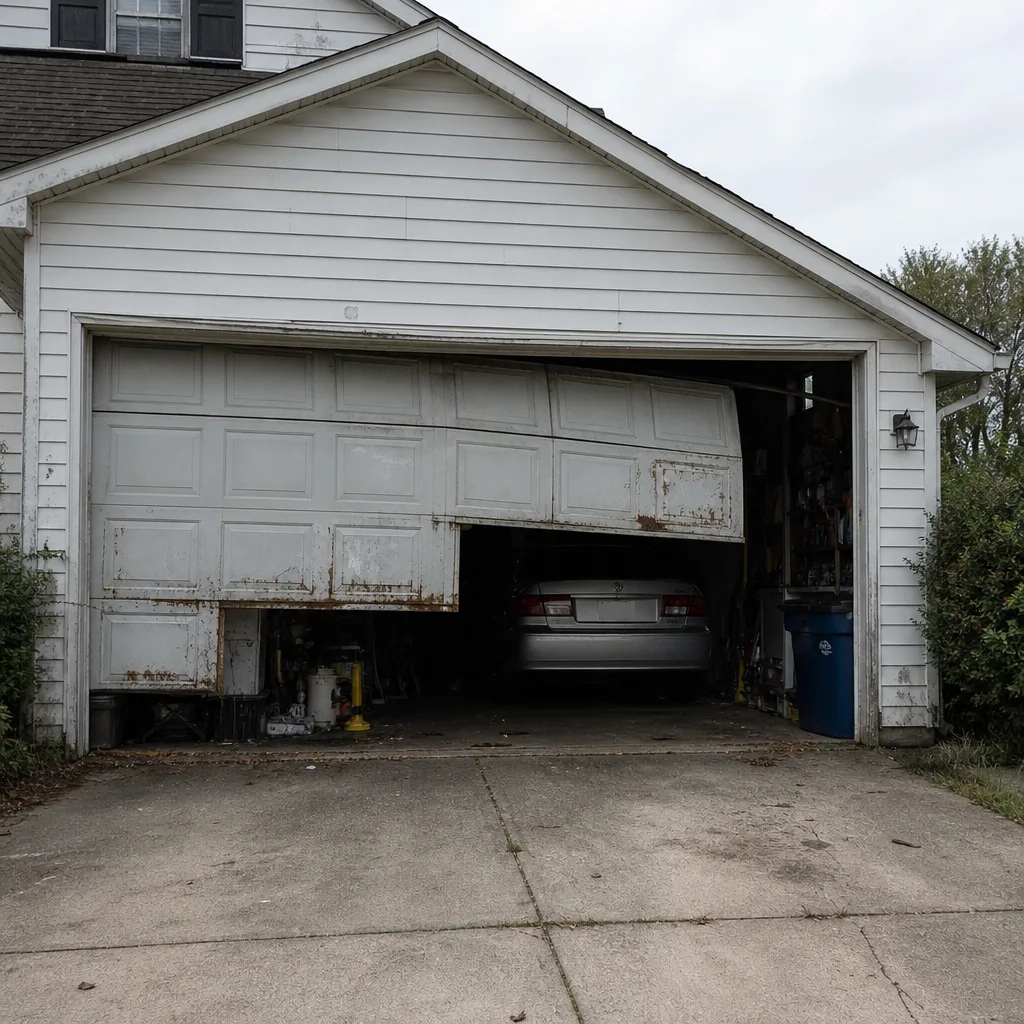 Before
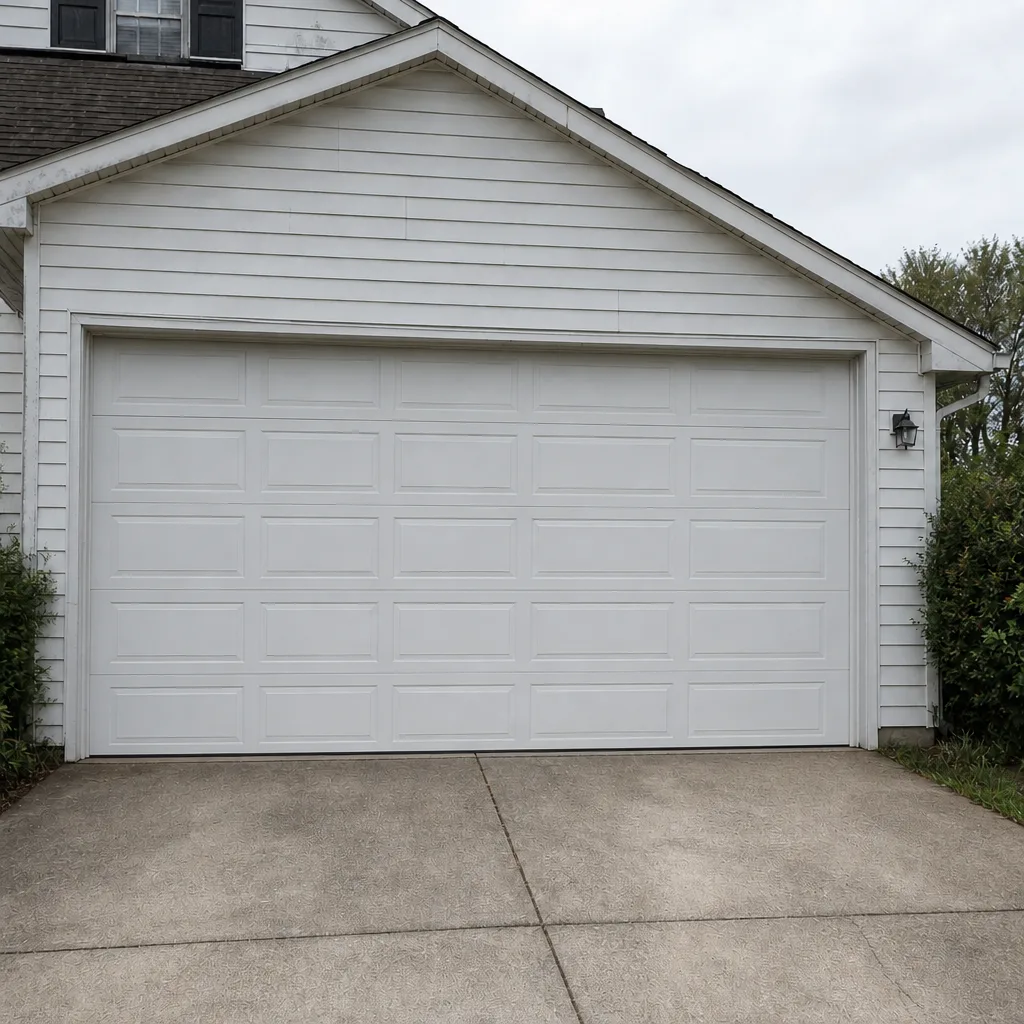 After
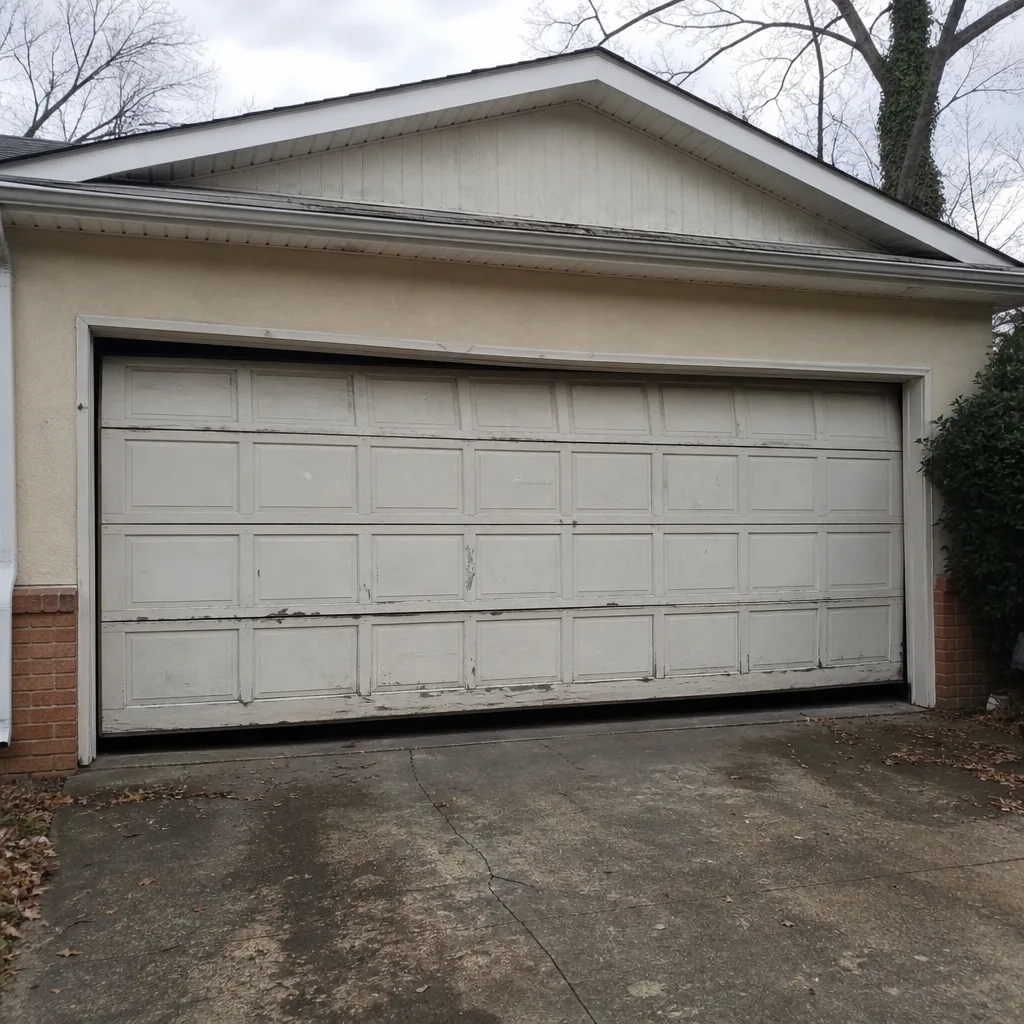 Before
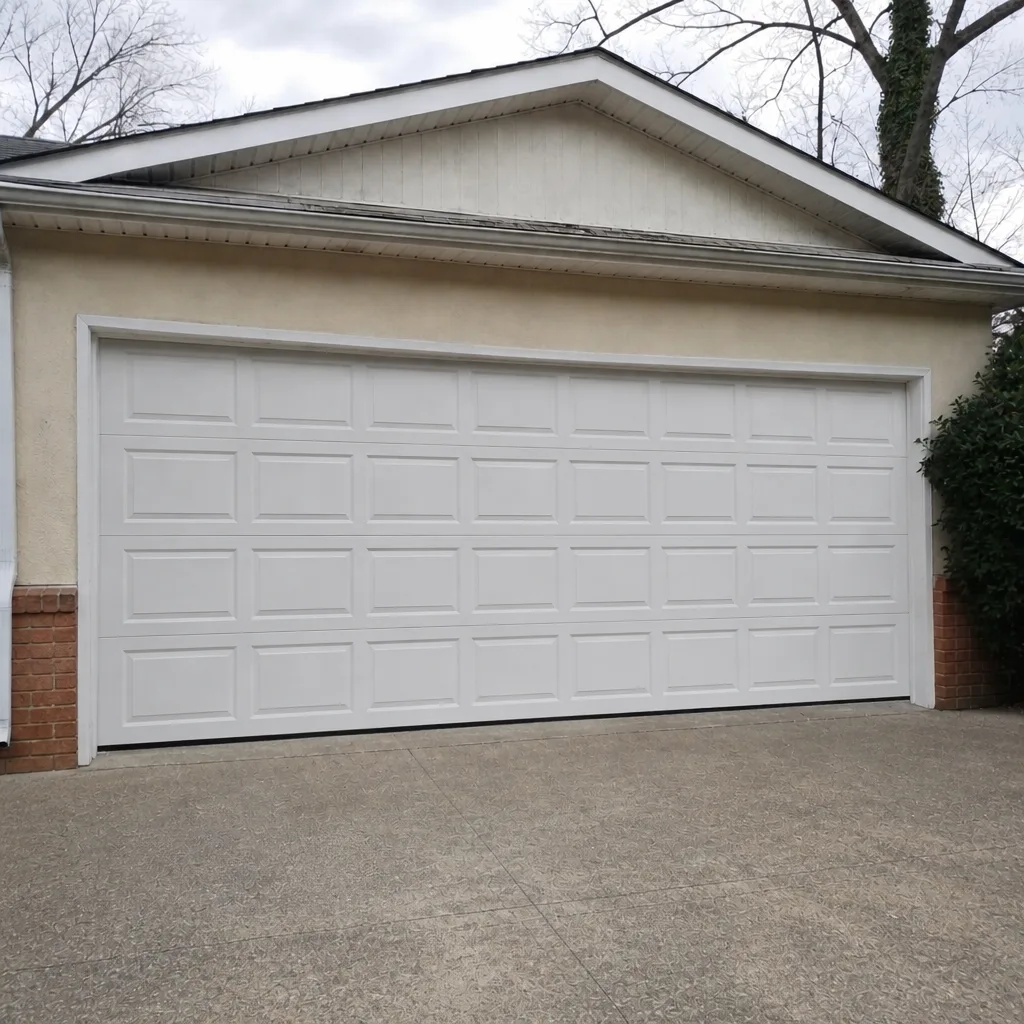 After
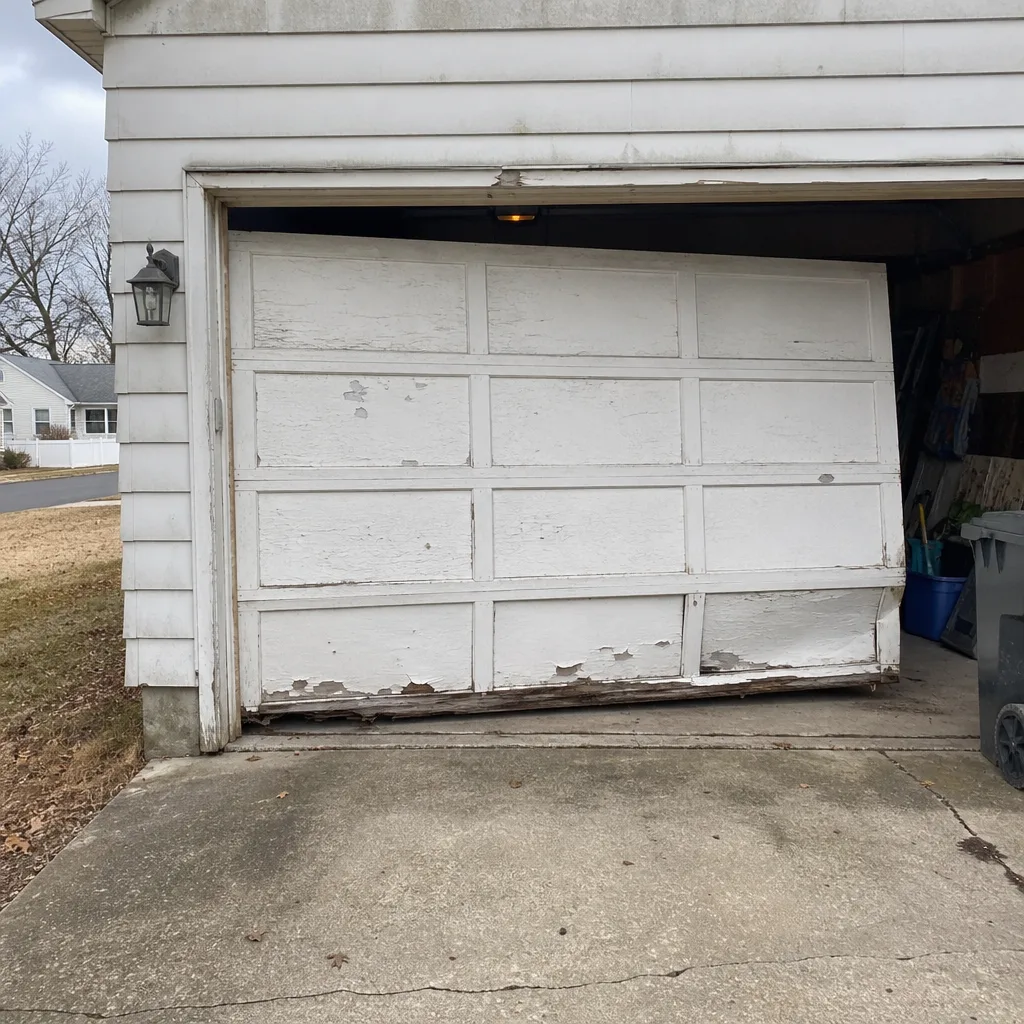 Before
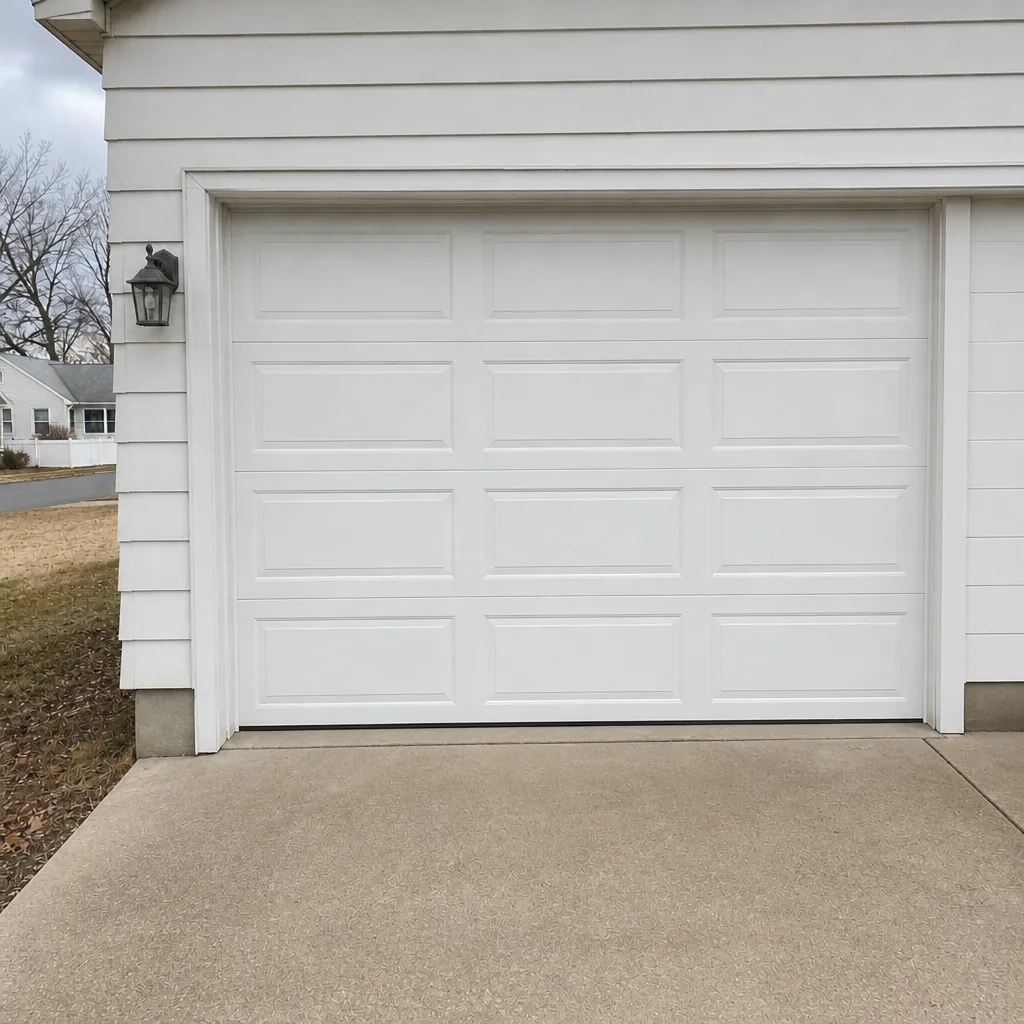 After
When to Call a Professional
Some garage door issues are safe to check yourself, and some are not. Call a professional when a spring is broken or looks stretched, a cable is frayed or slipping, the door comes off its track, the door won’t open or close evenly, the opener runs but doesn’t move the door, or the door drifts on its own when balanced. Every one of those points to a load-bearing component, and those are not DIY territory. Springs and cables are under extreme tension, and forcing a door that’s bound up in its tracks can bend it or cause injury.
Vineland Garage Door Repair Pros offers free estimates in Vineland, call (866) 937-7821. We’re a garage-door-only specialist, we work on the major door and opener brands, and we handle everything from a single repair to a full installation. When the door won’t move, we move fast.
Frequently Asked Questions
Costs vary by the job: a single spring repair is at the low end, an opener replacement lands in the middle, and a full door replacement with a new opener and hardware is the largest. Every job is priced by a written estimate, and the estimate is the price. There are no surprises added after the work starts. Call (866) 937-7821 for a free estimate on your specific door.
Emergency garage door service is available for time-sensitive failures, including a door that won’t open, a broken spring, or a door off its tracks. A stuck door means you’re locked out or your home is left unsecured, and those get priority. Call (866) 937-7821 and we’ll get you on the schedule as fast as we can.
No. We quote the work and agree on the price before any work starts. If we discover something that changes the scope, we stop, explain it, and get your approval before proceeding. The written estimate is the number you pay. Call (866) 937-7821 for a free estimate.
The local professionals we connect you with are licensed and insured as their state requires, and our technicians have up to 11 years of experience working on garage doors specifically. That experience is the trust signal that matters most on a system this mechanical. Call (866) 937-7821 to talk through your door.
We service LiftMaster, Chamberlain, Genie, Clopay, Amarr, Wayne Dalton, Craftsman, and Raynor. That coverage means we can diagnose and repair almost any system without parts delays or guesswork. If your brand is on that list, we’re the right call. Call (866) 937-7821 to confirm your model.
Once a year is the right interval for most homes in Vineland, because the seasonal temperature swings and humidity here are hard on the moving parts. An annual tune-up covers springs, cables, tracks, hinges, rollers, and the opener. If a door has gone more than a year without service, it’s due. Call (866) 937-7821 to book one.
The Bottom Line
Your garage door is a five-part system, and understanding how those parts load each other is what separates a smart, affordable decision from an expensive regret. Panels, tracks, springs, cables, and the opener all matter, and a failure in one stresses the rest. Read your door’s rating plate. Respect the South Jersey climate’s effect on your material. Match residential or semi-commercial hardware to how the door is actually used. And when the decision is between repair, tune-up, and replacement, let component condition and door age guide you, not the door’s curb appeal. If any of it touches a spring or cable, or the door has been acting up, a specialist is the right call. Our Vineland Garage Door Repair Pros team is glad to look at a garage door in Vineland and give you an honest read on all five subsystems, not just the part you noticed.
Vineland Garage Door Repair Pros is a garage-door-only specialist, and our technicians have up to 11 years of experience. We cover repair, opener repair, spring repair, full installation, and emergency service, and we work on the major brands so you never need a second call. Free estimates, written prices before work starts, and a real garage door specialist on your side. Call (866) 937-7821 for a free estimate on your Vineland door today.
Written by the team at Vineland Garage Door Repair Pros.