Last updated November 23, 2026
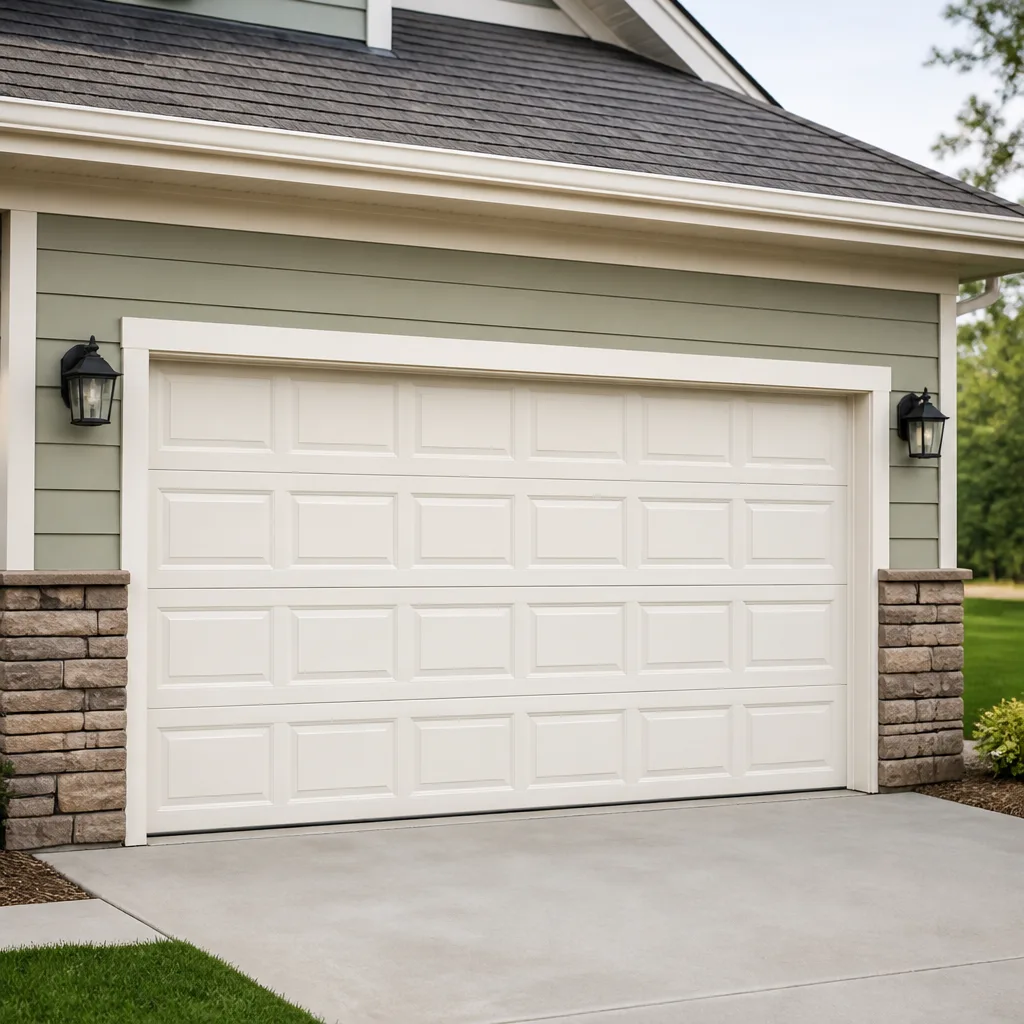 Raised-panel steel
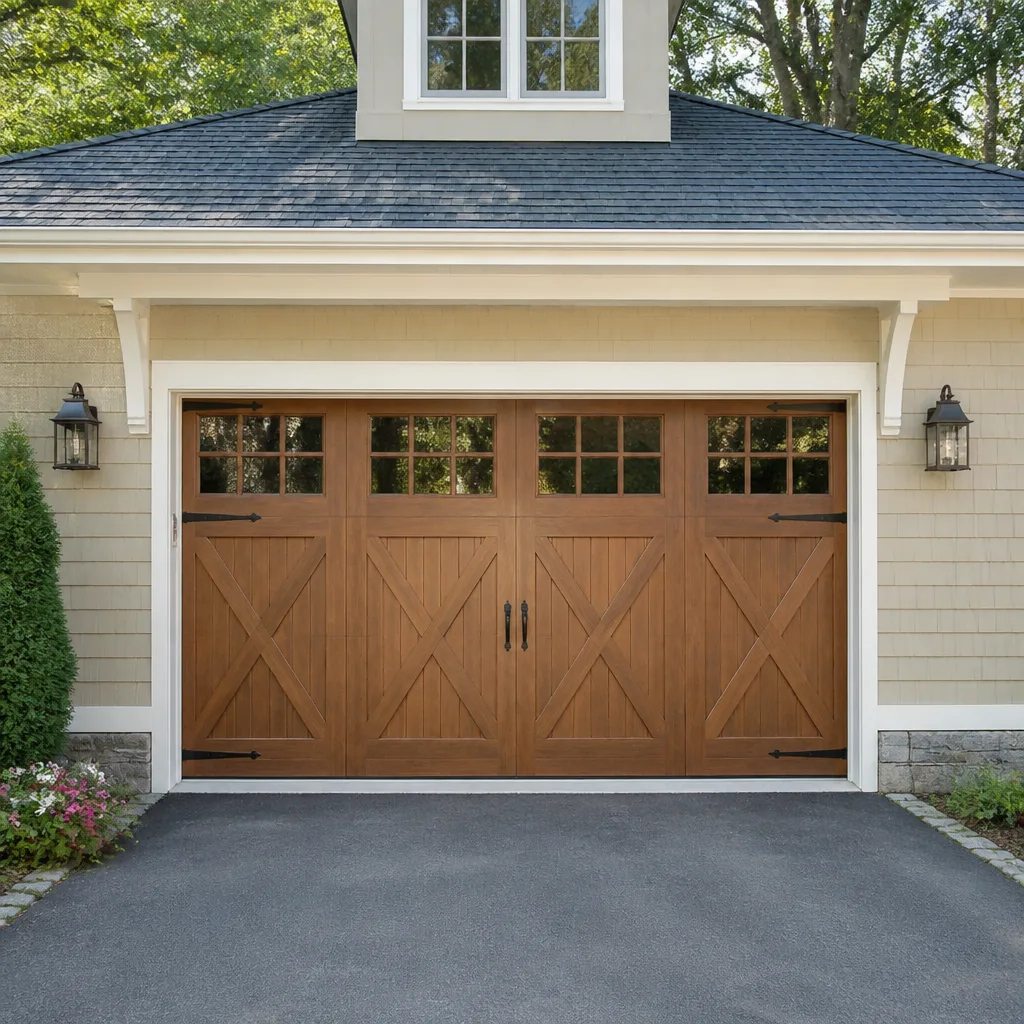 Carriage house
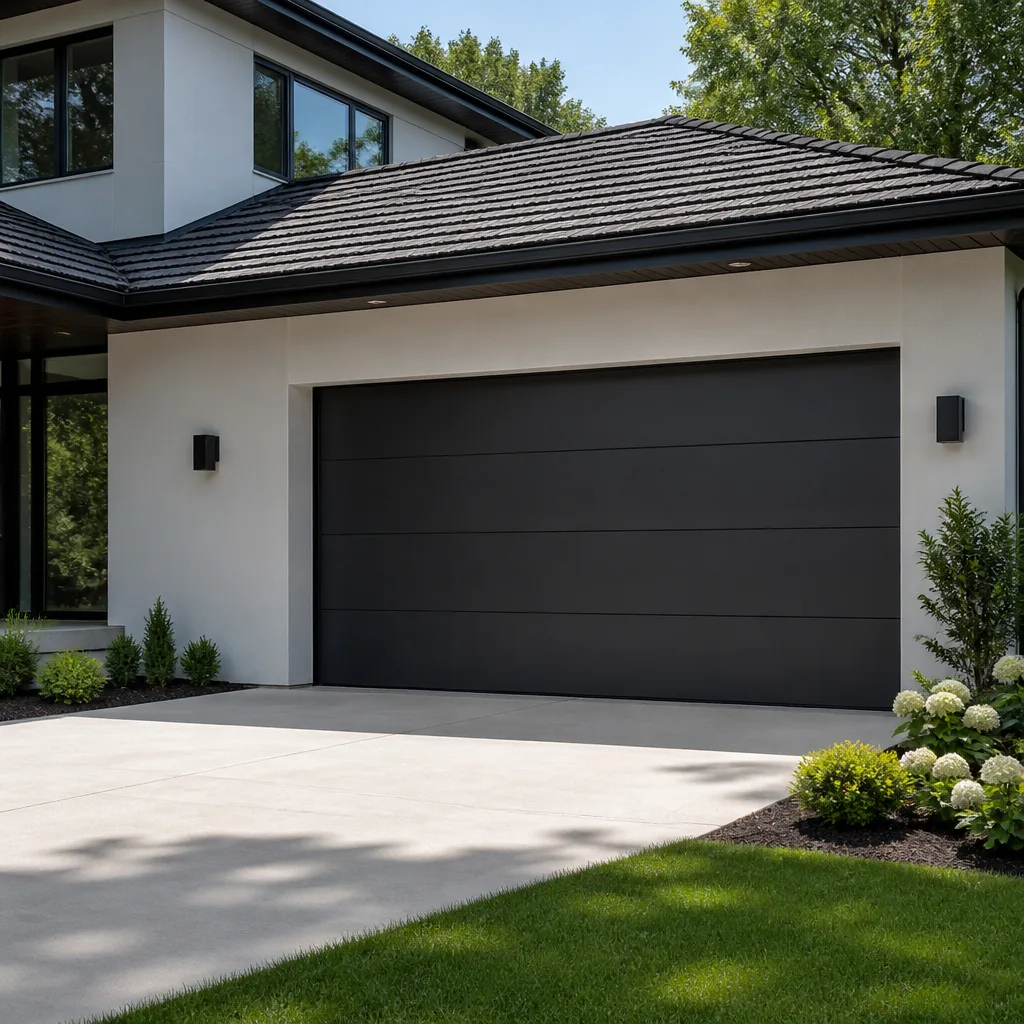 Modern flush
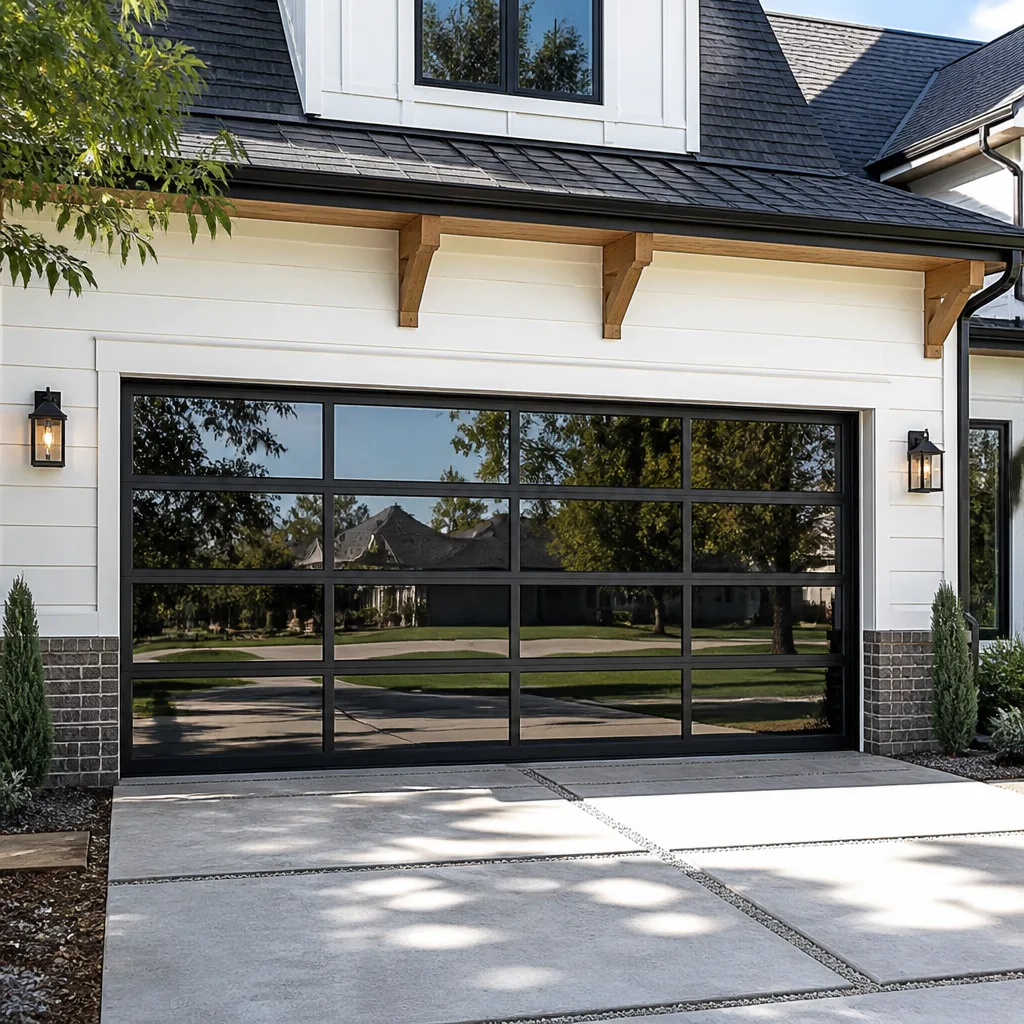 Full-view glass
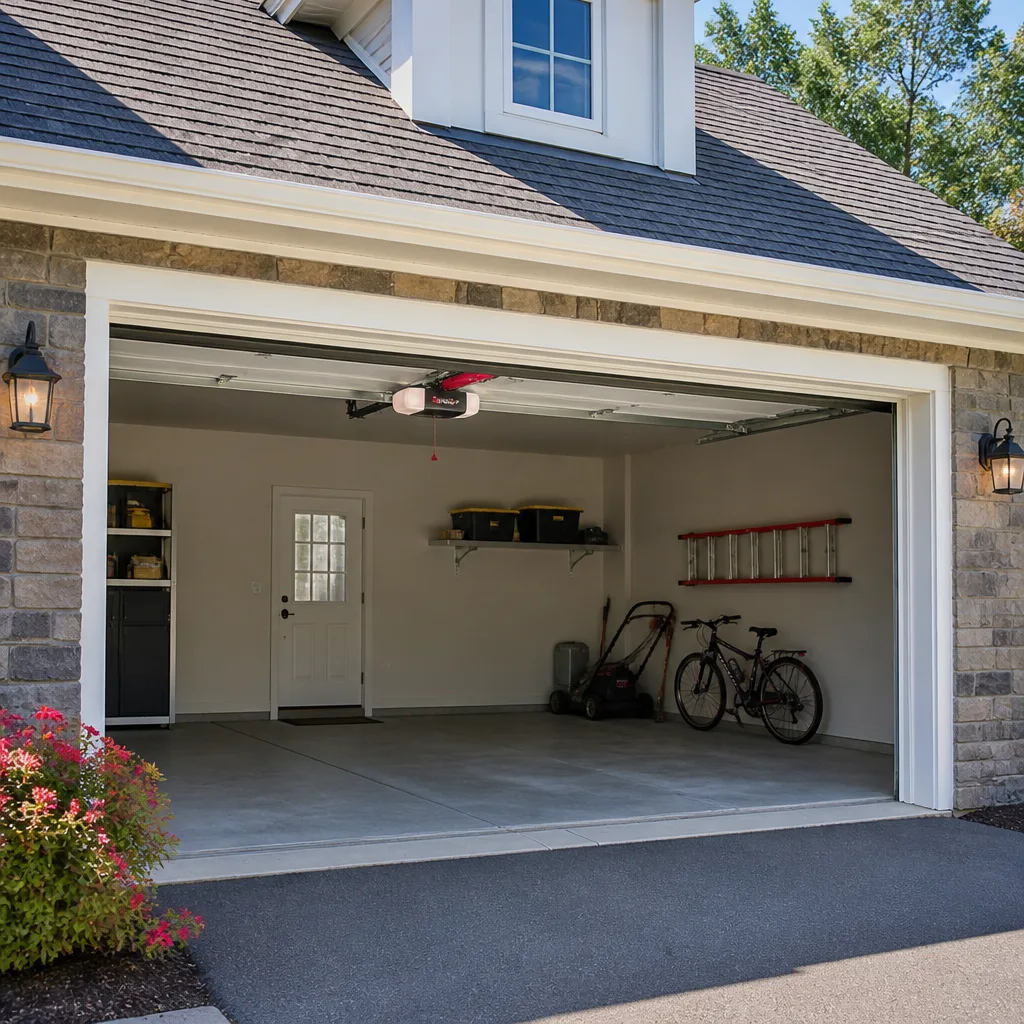 LiftMaster openers
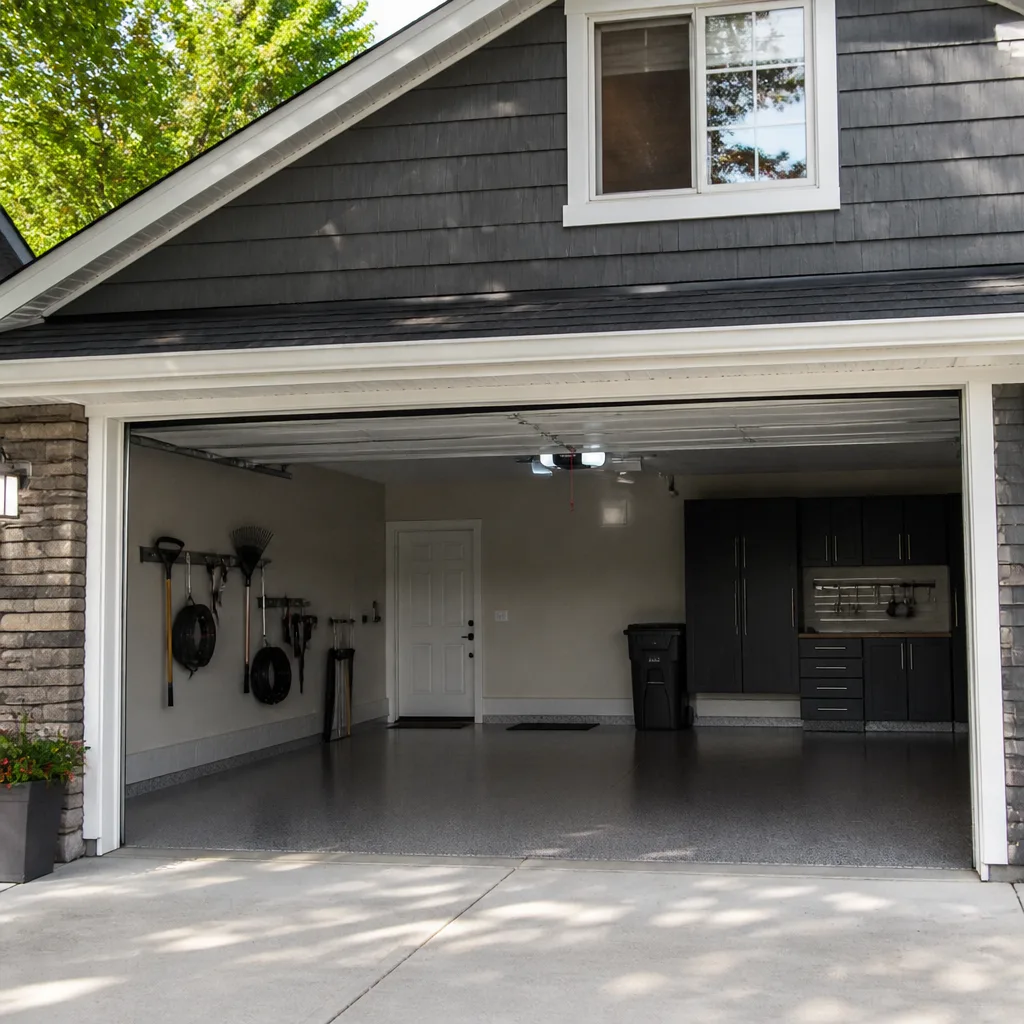 Chamberlain openers
Full 25-point door and opener safety check with every visit - springs, cables, rollers, tracks, and your LiftMaster or Chamberlain opener included
You get a price before we start. It does not change when the pro arrives.
Get your free estimateGarage Door Emergency Preparedness Guide for Vineland Homes
When your garage door won’t close at 11 PM and your car is inside, you have two immediate problems: a security vulnerability and a potential safety hazard, and the wrong move in the first five minutes can make both worse. Most homeowners in Vineland react to a door failure by forcing it, propping it, or ignoring it until morning. All three can turn a repair into a replacement. What actually protects your home and your wallet is knowing ahead of time which failures are true emergencies, which can wait, and exactly what to do with your hands before you touch anything. This guide walks through the first 30 minutes of a garage door emergency: the disconnect cord, how to secure an open door, power outage protocol across the major opener brands, and the details a technician needs to help you fast.
Quick Answer
A garage door emergency in Vineland means the door is stuck open leaving your home unsecured, stuck mid-travel with a vehicle trapped, or making a dangerous noise like a snap or bang from the springs. In those cases, stop operating the door, clear the area, and call a specialist at (866) 937-7821. A door that closes and opens normally but sounds a little rough is not an emergency and can wait for a scheduled visit.
Styles & brands we work with
- Raised-panel steel
- Carriage house
- Modern flush
- Full-view glass
- LiftMaster openers
- Chamberlain openers
Table of Contents
- The First Five Minutes: What to Do and What Not to Do
- The Emergency Disconnect Cord: When to Pull It and When Not To
- How to Temporarily Secure an Open Garage Door
- Power Outage Protocol for Every Major Opener Brand
- What Counts as a True Emergency vs. a Morning Call
- What to Have Ready Before You Call
- Vineland Weather, Housing, and Your Garage Door
- Building Your Garage Door Emergency Kit
The First Five Minutes: What to Do and What Not to Do
The first five minutes of a garage door failure decide whether you’re looking at an adjustment or a full replacement. A door that binds against a bent track under motor power will twist panels and pull hinges. A door operated manually while a spring is broken will drop under its own weight. New Jersey law treats an operating garage door as part of the home’s safety systems, and Cumberland County homes are no exception, so a door that will not behave predictably deserves a pause rather than a shove.
Here’s the sequence we recommend to every Vineland homeowner the moment something goes wrong:
- Stop pressing the remote. Repeated attempts to cycle a jammed door burn out the opener capacitor or strip the drive gear. That turns one repair into two.
- Clear the doorway. Move children and pets away from the opening. Keep the area under the door clear. If a panel is sagging or a cable looks slack, do not stand under it.
- Disconnect the opener, not the door. If the door is closed and safe, pull the release cord so the actuator no longer fights the door. If the door is up or halfway, leave the cord alone until you know the springs are intact.
- Look and listen. A snapped spring leaves two loose coils hanging on the torsion bar or a broken stretch spring lying along the horizontal track. A loud bang followed by a door that feels weightless is the classic spring failure signature.
- Decide: secure and wait, or call now. The section below on true emergencies covers exactly how to make that call.
The single worst thing you can do in those five minutes is force a door that is binding. We’ve seen doors in Vineland where a homeowner raised a door with a broken torsion spring by hand, and it came down faster than anyone could move out of the way. Springs are under extreme tension and this is not a DIY repair. When the door won’t move, we move fast, but the fastest path starts with not making it worse.
The Emergency Disconnect Cord: When to Pull It and When Not To
Every automatic garage door opener has an emergency release cord hanging from the trolley that rides the rail above the door. Pulling it disengages the door from the opener motor, so the door can be moved by hand. That sounds like the first thing to do in a failure, and for a dead opener with healthy springs it is. But pulling the cord when the door is open and the springs are broken is how homeowners get hurt.
Here is how to tell whether the cord is your friend or your risk:
- Pull the cord when: the opener is dead or humming but not moving, the door is fully closed, and the door lifts easily by hand a few inches before you commit to lifting it further. That last check tells you the springs still carry the weight.
- Pull the cord when: the opener has reversed repeatedly and you need to get the door down for the night, but again only after confirming the door feels light and balanced with a hand test.
- Do not pull the cord when: the door is open or partway up and you heard a snap, bang, or saw a cable go slack. Without spring tension, an open door can slam shut the moment it’s disconnected. Those are the moments to call for garage door repair instead of reaching for the cord.
- Do not pull the cord when: the door is off its track. Releasing the trolley on a door riding outside the track lets it drop on an unpredictable path.
If you pull the cord and the door drops or feels extremely heavy, let go and get out from under it. A door that won’t stay up by itself is telling you the counterbalance is compromised, and no amount of propping is a substitute for a spring repair. Our technicians have up to 11 years of experience working with high-tension springs across every major brand we service, and this is a job that belongs with trained hands.
How to Temporarily Secure an Open Garage Door
When the door is stuck open and the sun is going down, your priority shifts from fixing the door to securing the house. An open garage means an open door into the house for anyone who wants it, and in most Vineland homes the garage is also where the water heater, the freezer, and the holiday decorations live. The trick is to secure the opening without bending the tracks, denting the panels, or creating a new hazard for whoever finds it.
Use these methods in order of safety:
- Close the interior door from the garage into the house and lock it. This is the single most important step. Even with an open garage, a locked interior door separates the house from the street and gives you overnight security without touching the door itself.
- Park a second vehicle or a heavy object against the inside of the door only if it is fully open and stable. Do not lean anything against a door that is still partially hanging on the opener.
- Prop with a brace under a fixed point, not under a rolling panel. A 2×4 or a length of lumber cut to fit snugly between the floor and the bottom rail (not the hinge) can hold a closed-position door. Angle the brace slightly and weight the bottom. Never brace a door in the open position with a ladder, a broom handle, or a piece of furniture; those slip.
- Use temporary screw-in locks or a C-clamp on the vertical track just above a roller if the door is down and you need to keep someone from lifting it manually. One clamp on each side works. Don’t overtighten against the track; it can deform the channel.
- Cover the opening from the outside if the door is stuck open and you have a secure spot to mount a tarp. Fasten the tarp to the door frame, not the door, so nothing puts load on the panels.
For a door that is off its track entirely, the best move is to leave it alone and call. A door riding outside the track is already loaded in a direction it was never designed to hold, and bracing it often creates a fall risk. If the door is a Clopay, Amarr, or Wayne Dalton model, tell the technician the brand and the panel style when you call; those details help us bring the right parts on the first visit. And remember: the temporary fix is for one night, not one season. A door that isn’t repaired will keep getting worse, and a bent track caught early is a quick adjustment while a twisted panel is a replacement.
Power Outage Protocol for Every Major Opener Brand
A power outage is not a garage door emergency. It’s an inconvenience, and every major opener brand gives you a way to get the door open by hand without breaking anything. The trick is knowing which release mechanism your opener uses and how to reset it cleanly afterward. Over the years we’ve worked on LiftMaster, Chamberlain, Genie, Clopay, Amarr, Wayne Dalton, Craftsman, and Raynor systems, and the procedure is broadly similar across all of them.
Here’s the general power-outage protocol:
- Confirm it’s the power and not the opener. Check that the wall outlet is live and the wall control is lit. A tripped GFCI outlet in the garage can look exactly like an opener failure.
- Pull the emergency release cord once, smoothly. Don’t yank it repeatedly. On LiftMaster and Chamberlain units, the cord hangs from the trolley; on Genie and Craftsman units, the trolley carriage may use a slightly different lever arm, but the pull is the same idea.
- Lift the door halfway by hand and feel for balance. If the door stays where you leave it, the springs are healthy. If it drops or rises on its own, stop lifting and call for spring repair.
- Operate the door by hand while the power is out. Open it, get the car out or in, then close it fully and lock it if the door has manual locks.
- Reset the trolley when power returns. Press the wall control or the remote once and let the opener run until the trolley re-engages with a click. If it doesn’t re-engage, cycle the opener once more with the door fully closed.
Battery-backup openers from LiftMaster and Chamberlain will run the door for a while without house power, but check the battery indicator light after a long outage; a weak battery needs replacement before the next storm. For a Genie or Raynor opener, look for the battery-backup model number on the motor head so you know whether yours has a backup at all. If your door won’t operate by hand or the trolley won’t re-engage after power returns, that’s the moment to call for garage door opener repair. A quick visit resets the limit switches and confirms the safety sensors are aligned, which is often all it takes.
What Counts as a True Emergency vs. a Morning Call
Not every garage door problem is a call-right-now problem. Understanding the difference saves you a stressful night and, in many cases, keeps you from paying for an after-hours visit you didn’t need. The rule of thumb: if the door is dangerous, if the home is unsecured, or if a vehicle is trapped, it’s an emergency. If the door is home and quiet, it can usually wait for morning.
Here’s how we help Vineland homeowners sort it out over the phone:
- Emergency (call now at (866) 937-7821): door stuck open and cannot be secured, door stuck mid-travel with a car trapped inside, a spring snapped and the door is hanging, a cable has come loose, the door is off its track, or a panel is cracked and the door won’t close flush.
- Urgent but not overnight: the opener reverses on contact but the door still moves, the remote works from close range only, the door opens unevenly but closes fully, or the safety sensors are obstructed by a fallen leaf.
- Can wait for a scheduled visit: a noisy door, a slow opener, a remote with a weak battery, a keypad that stopped responding, or a door that closes fine but does not seal at the floor.
A broken spring is the one failure we tell homeowners not to treat as a wait-until-morning problem if the door is open. That’s because the door has no counterbalance and every attempt to move it by hand or with the opener risks dropping it. If the door is fully closed with a broken spring, it’s secured and you can schedule garage door spring repair for the next available visit. If it’s open, prop it temporarily only with the methods above and call us. We offer emergency garage door service specifically for these situations, and we can usually give you a realistic arrival window over the phone so you can decide how to handle the night.
What to Have Ready Before You Call
The faster we have five pieces of information, the faster we can help. Most Vineland homeowners call while standing in the garage with the door somewhere between open and shut, and that’s fine. Have your phone, a flashlight, a tape measure, and two minutes.
Here’s what to gather before you dial:
- Door position and condition. Is the door fully open, fully closed, or stuck partway? Which side of the doorway is it leaning toward, if any? Is a panel dented, cracked, or visibly twisted?
- The symptom that preceded the failure. Did you hear a bang, a pop, a grinding noise, or nothing at all? Was the door moving when it stopped, or did it fail to start? Did the opener’s light blink in a pattern? Modern openers use the number of blinks as an error code, and just telling us the count can point to the exact problem before we arrive.
- The opener brand and, if visible, the model number. LiftMaster, Chamberlain, Genie, Craftsman, and Raynor all have their model plate on the motor head, on the back of the unit, or inside the light cover. A photo of the plate saves time.
- The door dimensions and material. Measure the opening width and height in inches if you can reach safely. Note whether the door is steel, wood, aluminum, or a composite, and the panel style. Clopay, Amarr, and Wayne Dalton each use a slightly different panel profile, so the brand helps us bring the right hardware.
- Whether the springs and cables look intact. From a safe distance, look at the torsion bar above the door and the cables along the sides. Do not touch a slack cable. Just describe what you see.
One more thing: tell us if anyone is home and whether children or pets are nearby. We’ll adjust the questions accordingly, and we may recommend a temporary brace you can install safely while you wait. If you’ve never worked on a garage door before, our garage door repair page covers what a typical service visit includes so nothing surprises you.
Vineland Weather, Housing, and Your Garage Door
Garage doors in Vineland live through a specific set of stressors that shape which failures are most common and how you should prep. The South Jersey climate brings hot, humid summers and cold winters with occasional nor’easters, and both ends of that range put load on the door’s moving parts. Summer humidity swells wooden doors in older Vineland homes and works on the grease in the opener’s drive. Winter cold stiffens springs and shrinks weather seals. A door that runs smoothly in May can bind in January, and that bind is often the first sign a spring or roller is on its way out.
Vineland is a large, spread-out city with a mix of housing stock: older homes in the center of town, long-established neighborhoods with original wooden doors, and newer development on the edges with steel doors and belt-drive openers. The age of the door matters less than its last service. A door built in the 1980s with original springs deserves an annual look; a ten-year-old door with a modern opener benefits from a tune-up too, mostly to catch a loose track bolt or a worn roller before it becomes a track replacement.
Trees are another local factor. Vineland has plenty of mature trees, and a storm that drops a branch on the door or blows debris against the safety sensors is the most common “emergency” call we get after a nor’easter. If you’re in a low-lying area and standing water reaches the bottom of the door, don’t cycle it. Water in the opener motor or the photo-eye sensors will stop the door from closing and can trip the breaker on the circuit that powers it.
The best preparation is a routine: run the door up and down once a month and listen. A door that squeaks, shudders, reverses, or slows down is telling you something. Catching those signs early keeps you out of the emergency category entirely, which is exactly where a prepared Vineland homeowner wants to be.
Building Your Garage Door Emergency Kit
The households that handle a door emergency best have a small kit ready before anything goes wrong. You don’t need much, and the whole kit fits in a shoe box on a shelf near the garage door. Put it together this weekend and leave it alone.
- A printed card with the opener brand and model number, the door dimensions, and the phone number for a specialist. Tape a copy to the inside of the garage door frame where you can see it in the dark.
- A flashlight with fresh batteries. The garage gets dark fast when the opener’s light is the only thing lighting it.
- A C-clamp sized for your vertical track. One for each side, kept in the kit, for securing a closed door temporarily.
- A short length of 2×4 lumber cut to fit between the floor and the bottom rail. This is your brace for a door that won’t close.
- A tarp and two bungee cords. Enough to cover a wide opening if the door is stuck up and you need to block the view from the street.
- A spare opener remote or a fresh battery for the existing one. Most “dead remote” calls are a battery, and that’s a five-minute fix you can do yourself.
Two things do not belong in the kit: a can of spray lubricant and a pair of pliers. Lubricant on the wrong part (the tracks, the photo eyes) causes more problems than it solves, and pliers in the hands of a homeowner near a spring or cable is how people get hurt. Springs are under extreme tension and this is not a DIY repair. Leave the tools that adjust tension on the door to a trained technician.
Common Mistakes to Avoid
- Forcing a door that’s binding against a bent track. The motor has enough torque to twist a panel before it gives up. If the door is stuck, stop pressing the button and call for help.
- Pulling the emergency cord on an open door with a broken spring. The door loses its counterbalance and drops. Check that the door is closed and feels light before you pull anything.
- Propping an open door with a ladder or a broom. Those slip, and in a Vineland storm with a gust through the opening, they will. Use a brace sized to the door and only on a door in the closed position.
- Assuming a door that won’t close is an opener problem. More often it’s a misaligned safety sensor, a track obstruction, or a limit switch that drifted. The opener is frequently fine.
- Spraying lubricant on the tracks. Tracks are meant to stay dry and clean. Grease attracts grit, grit scores the rollers, and scored rollers make the door jump.
- Ignoring a door that reverses on its own once a month. An intermittent reverse is the first sign of a sensor or limit issue that will eventually strand the door. It’s cheaper to address it before it becomes a nighttime emergency.
- Waiting on a spring that’s clearly failed. A spring that has snapped is a repair, not a maintenance item. Operating the door with a broken spring loads the opener and the remaining spring and can damage both.
See the difference
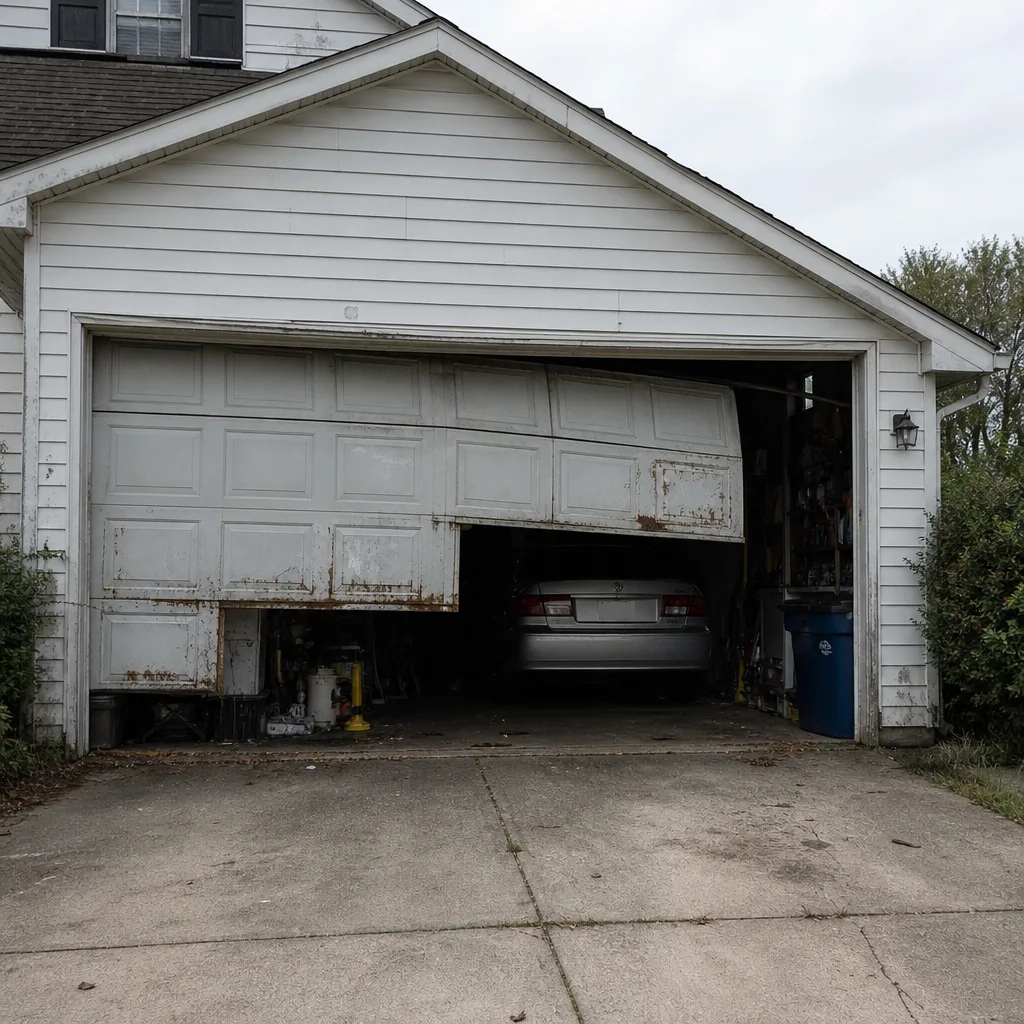 Before
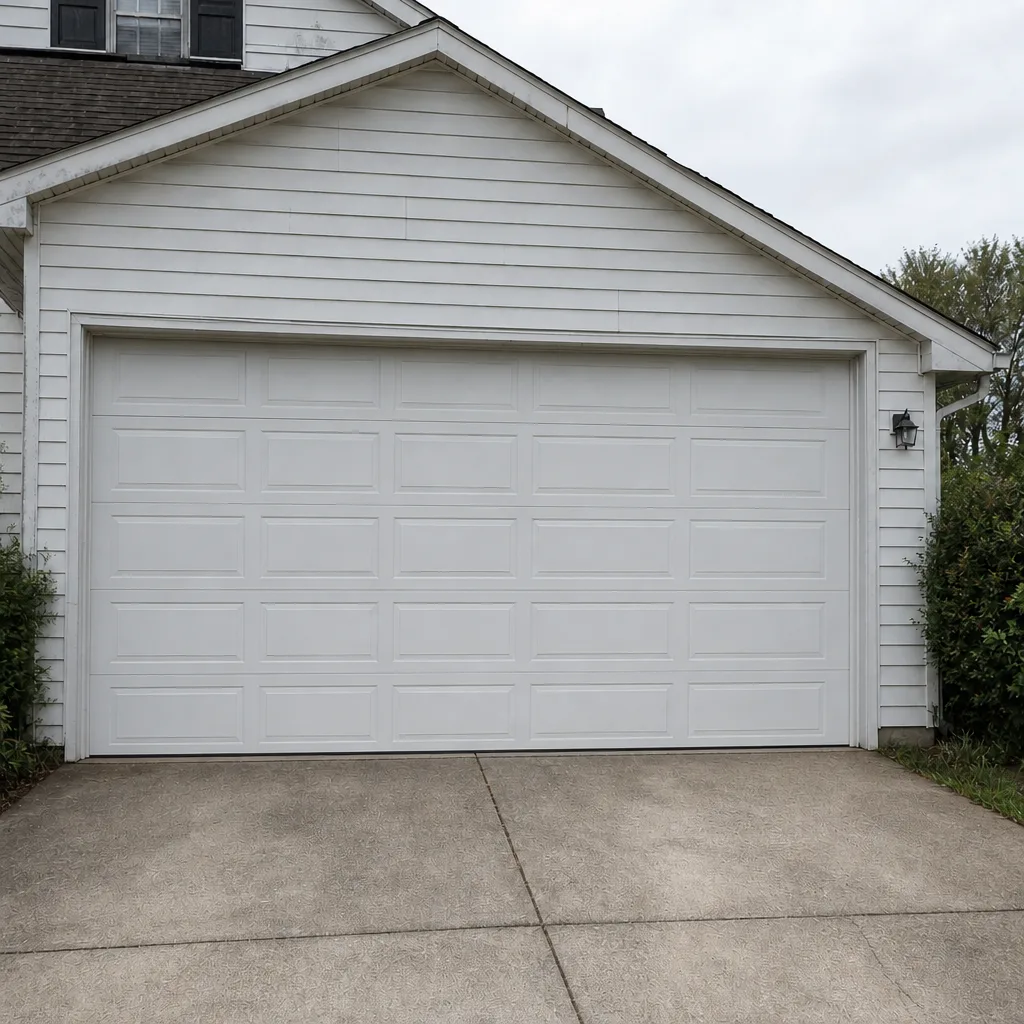 After
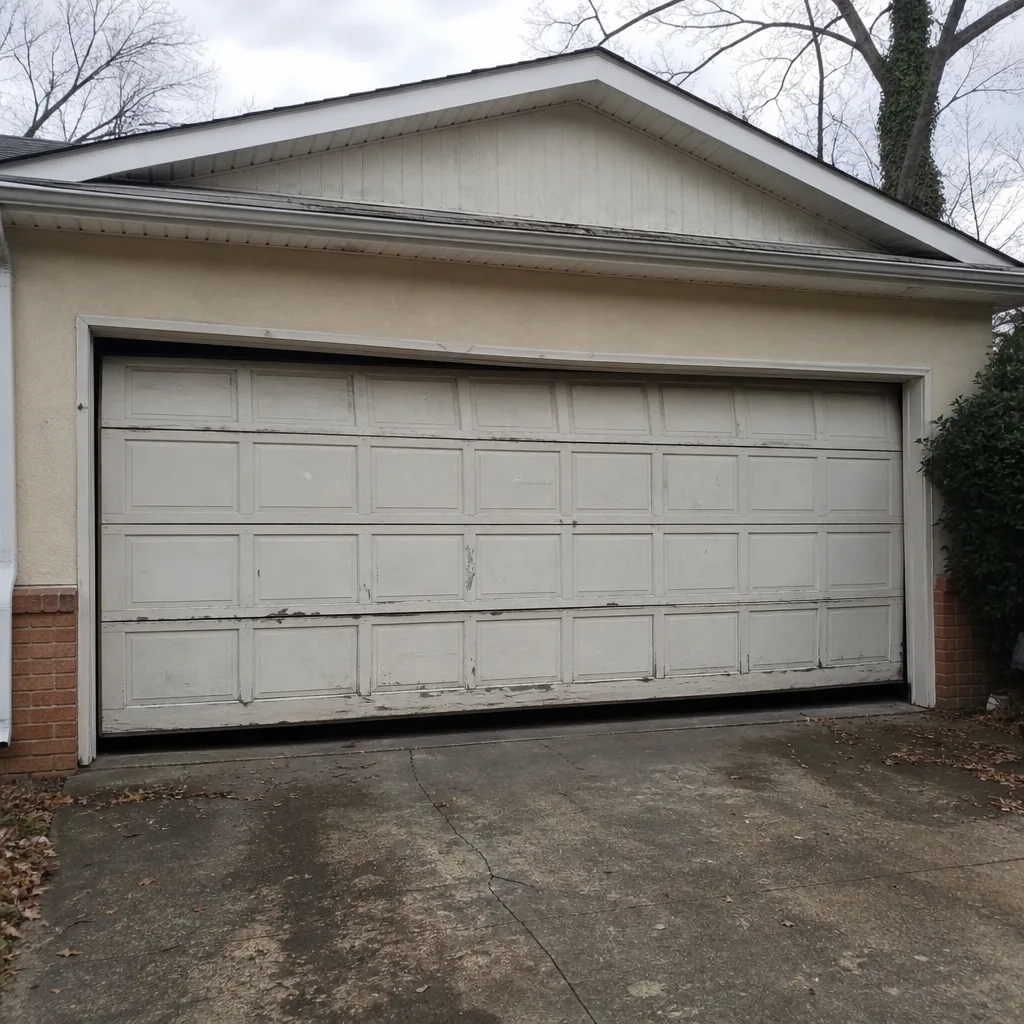 Before
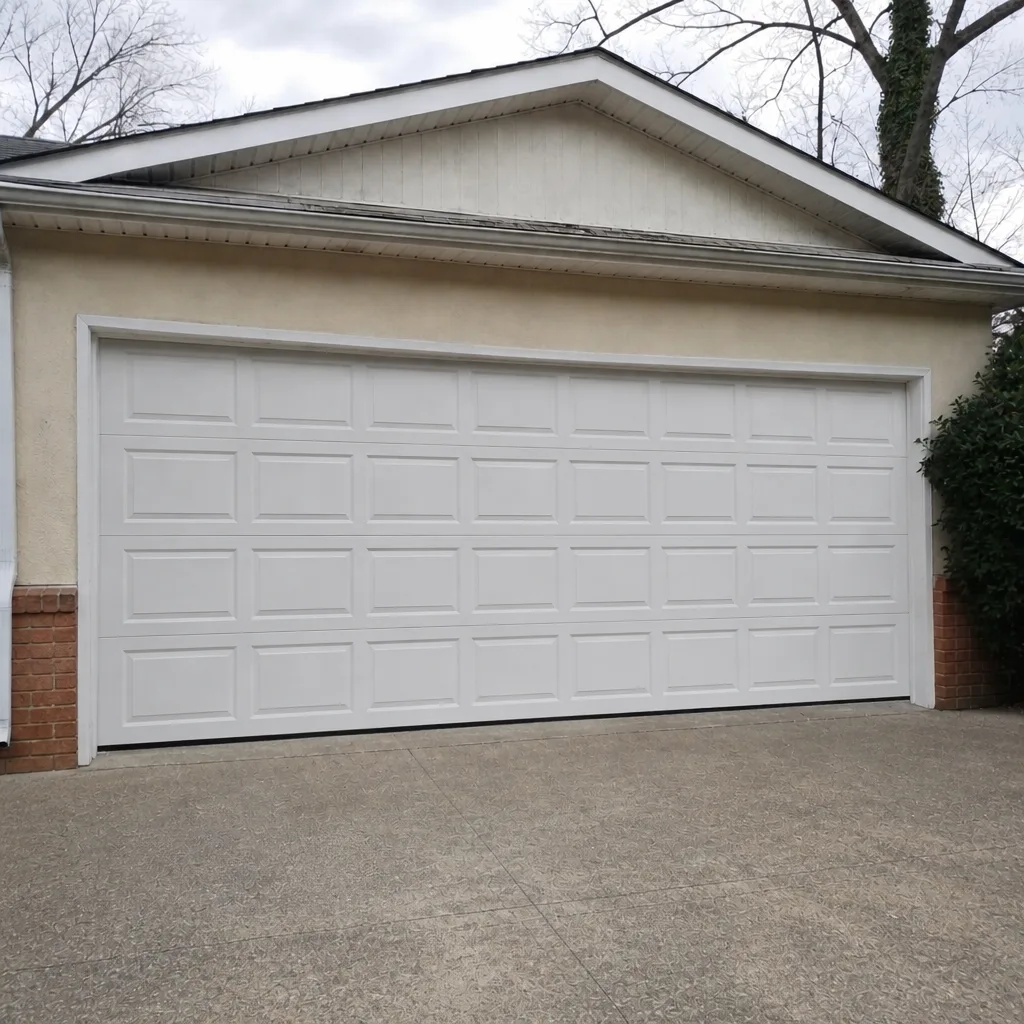 After
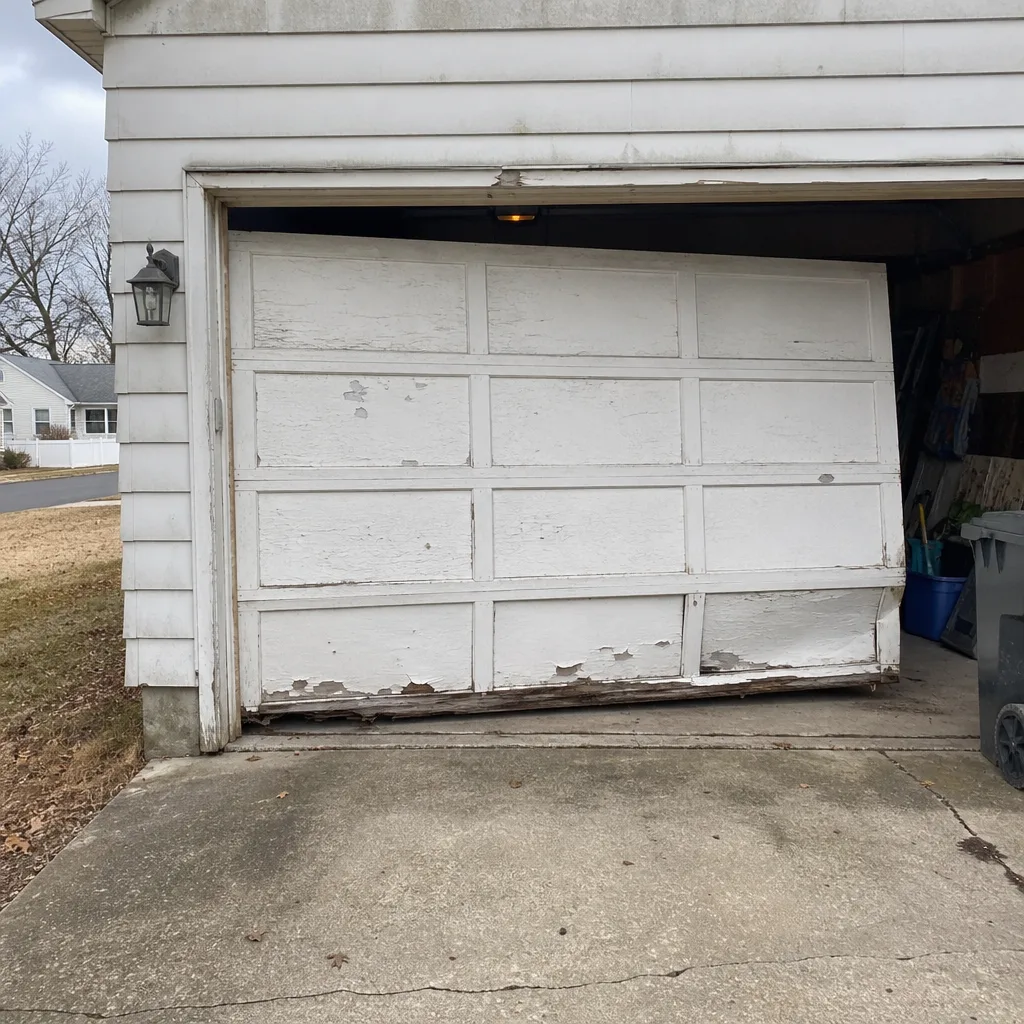 Before
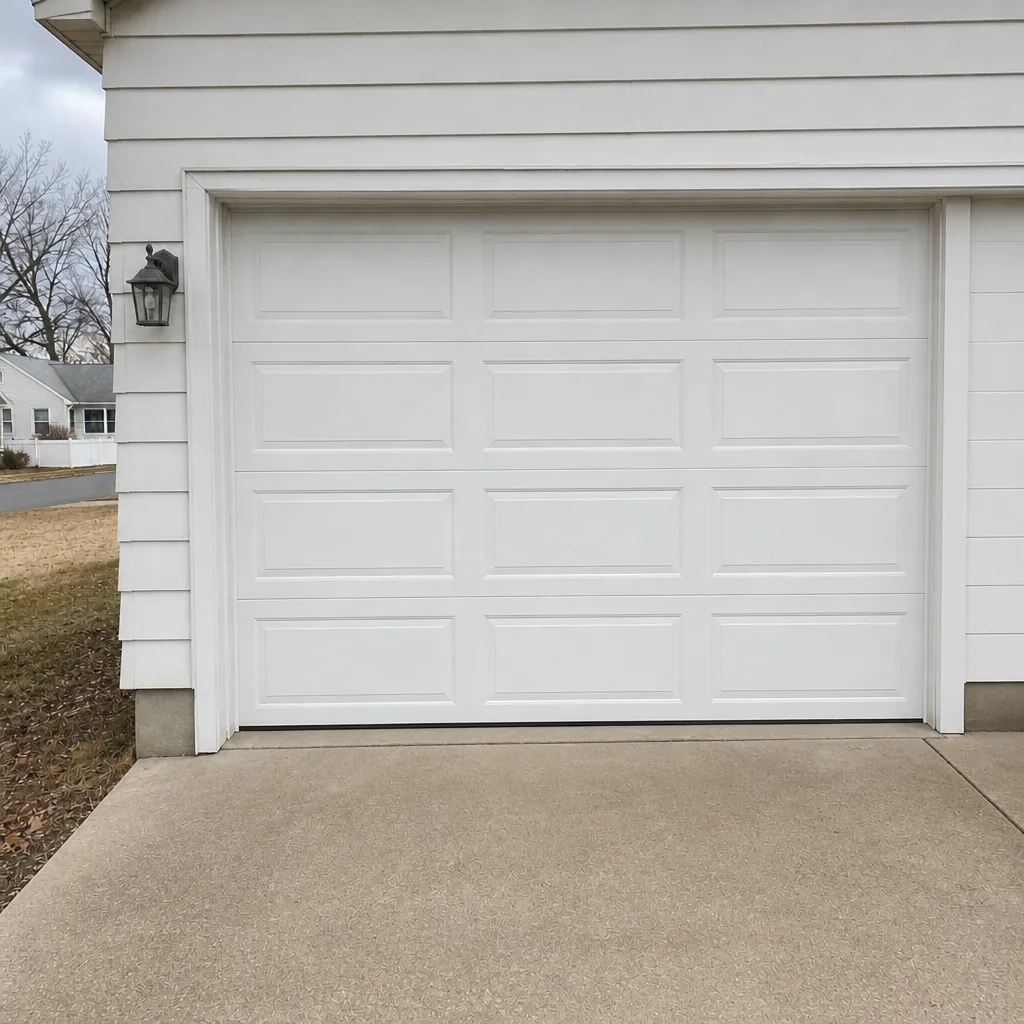 After
When to Call a Professional
Call us the same day for a broken spring with the door open, a door off its track, a slack or snapped cable, a door stuck mid-travel with a vehicle trapped, or a panel failure that leaves the home unsecured. Call for a scheduled visit for a noisy door, an opener that reverses on contact, a remote that works only close range, or a door that doesn’t seal. A trained technician can diagnose all of these in one trip, and the written estimate sets the price before any work starts. Vineland Garage Door Repair Pros offers free estimates in Vineland, so call (866) 937-7821 and we’ll help you decide whether it’s tonight or tomorrow morning.
Frequently Asked Questions
Yes, if the springs are intact and the door is currently closed. Pull the emergency release cord once to disengage the opener, lift the door halfway to check that it balances, then lift it fully by hand. If the door drops or feels extremely heavy, stop and call us; that signals a spring problem and the door should not be operated manually.
Lock the interior door from the garage into the house first, then secure the opening as best you can with a tarp or a temporary brace if the door is stable. Call (866) 937-7821 for emergency service. Don’t try to force the door closed by hand, especially if the spring looks broken or a cable is slack.
Most emergency visits fall in the $120 to $250 range for the service call and diagnosis, plus the cost of parts. A single broken spring typically runs $180 to $340, and a matched pair runs about twice that since both springs are usually replaced together. These are typical estimates; the written quote you receive before work starts is the final price. Call (866) 937-7821 for an exact quote, and estimates are free.
For most common failures, yes. Emergency garage door service covers broken springs, off-track doors, and dead openers, and we can often reach you the same day. When you call, tell us the door position, the symptom you heard, and the opener brand, and we’ll give you a realistic window.
No. We quote the repair based on what we find during diagnosis, and you approve that number before any work starts. If the visit reveals a second issue that changes the scope, we tell you and give you a new written price to approve. Nothing is added to the invoice that wasn’t in the quote you agreed to.
The local professional we connect you with is licensed and insured as their state requires, and our technicians have up to 11 years of experience with high-tension spring work and every major brand we service. If you have a question about a specific repair before we arrive, ask on the call and we’ll explain what the visit involves.
The Bottom Line
A garage door emergency in Vineland comes down to a few decisions in the first half hour. Stop operating the door the moment something sounds wrong, check whether the springs are intact before you pull the disconnect cord, lock the interior door and secure the opening if the door is stuck up, and use the power-outage release on any opener brand only when the door is closed and balanced. Keep a small kit with a flashlight, a brace, and your opener’s model number on a card. Know the difference between a true emergency and a morning call, and have the phone number ready. Prepared homeowners turn a stressful night into a simple morning repair.
Need help fast? Vineland Garage Door Repair Pros connects you with local garage-door specialists for repair, spring repair, opener repair, and emergency service across all the major brands. Call (866) 937-7821 for a free estimate, or start at Vineland Garage Door Repair Pros to see everything we cover.
Written by the team at Vineland Garage Door Repair Pros.