Last updated November 23, 2026
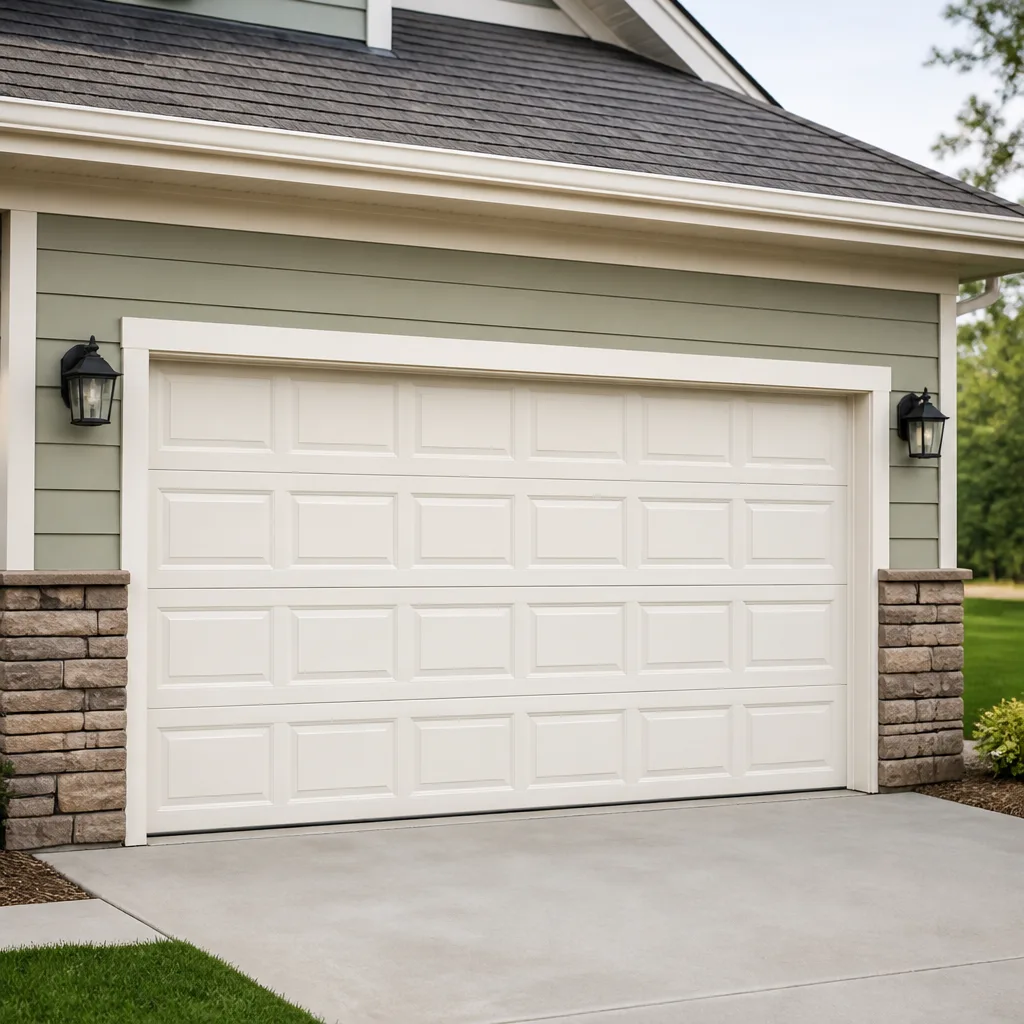 Raised-panel steel
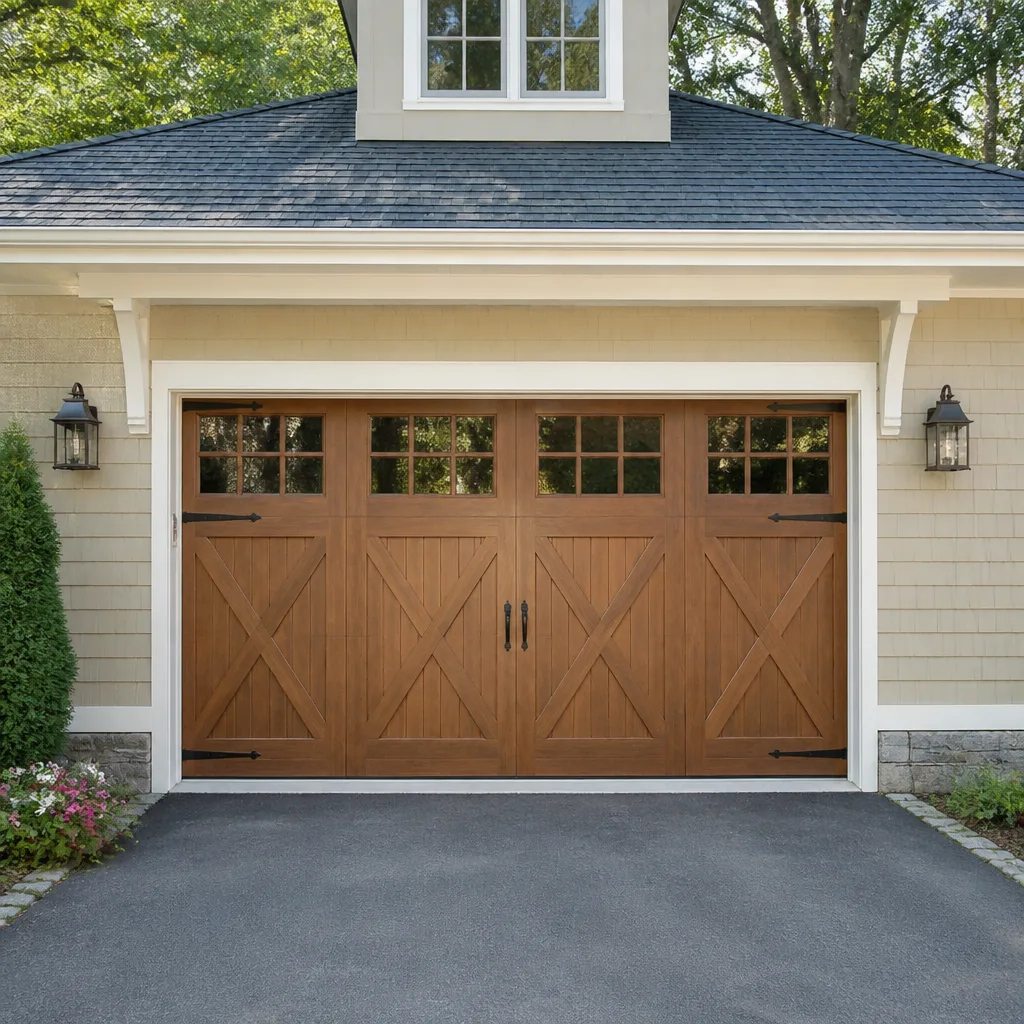 Carriage house
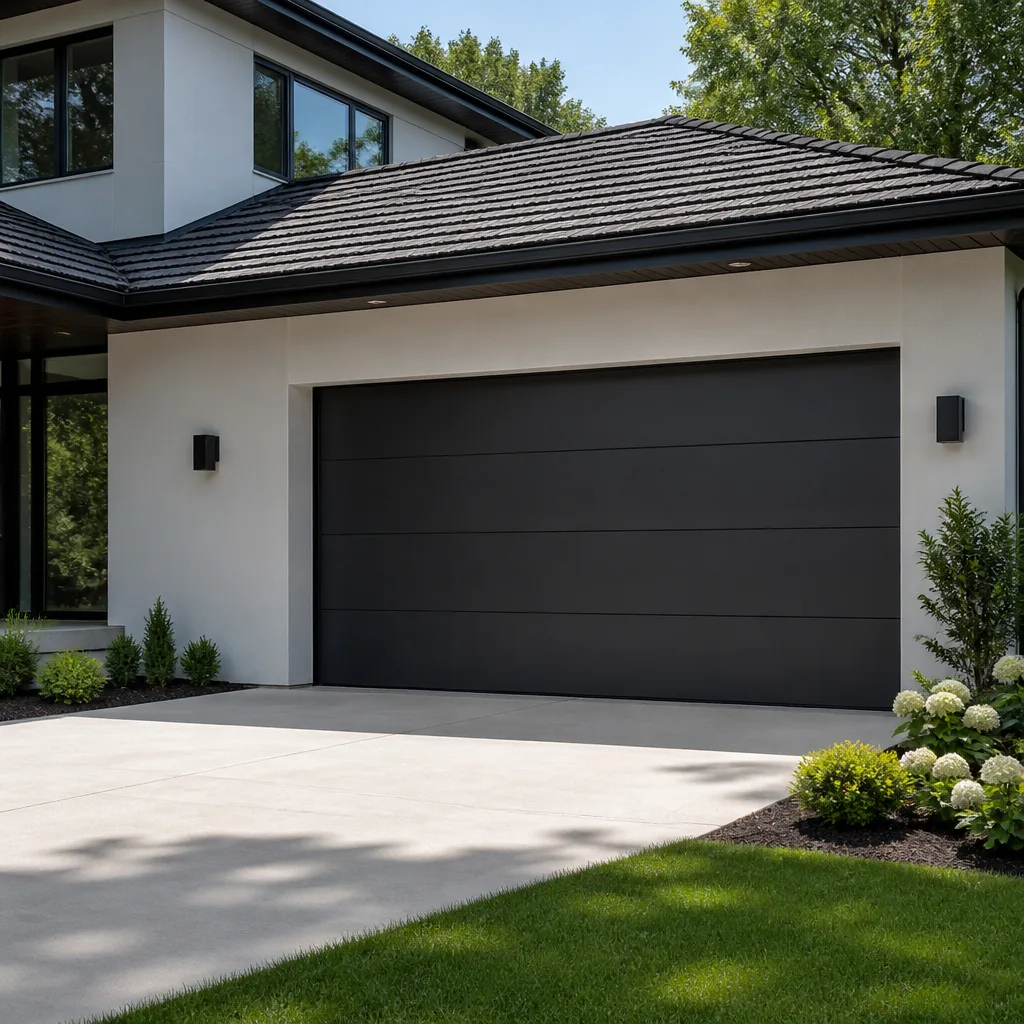 Modern flush
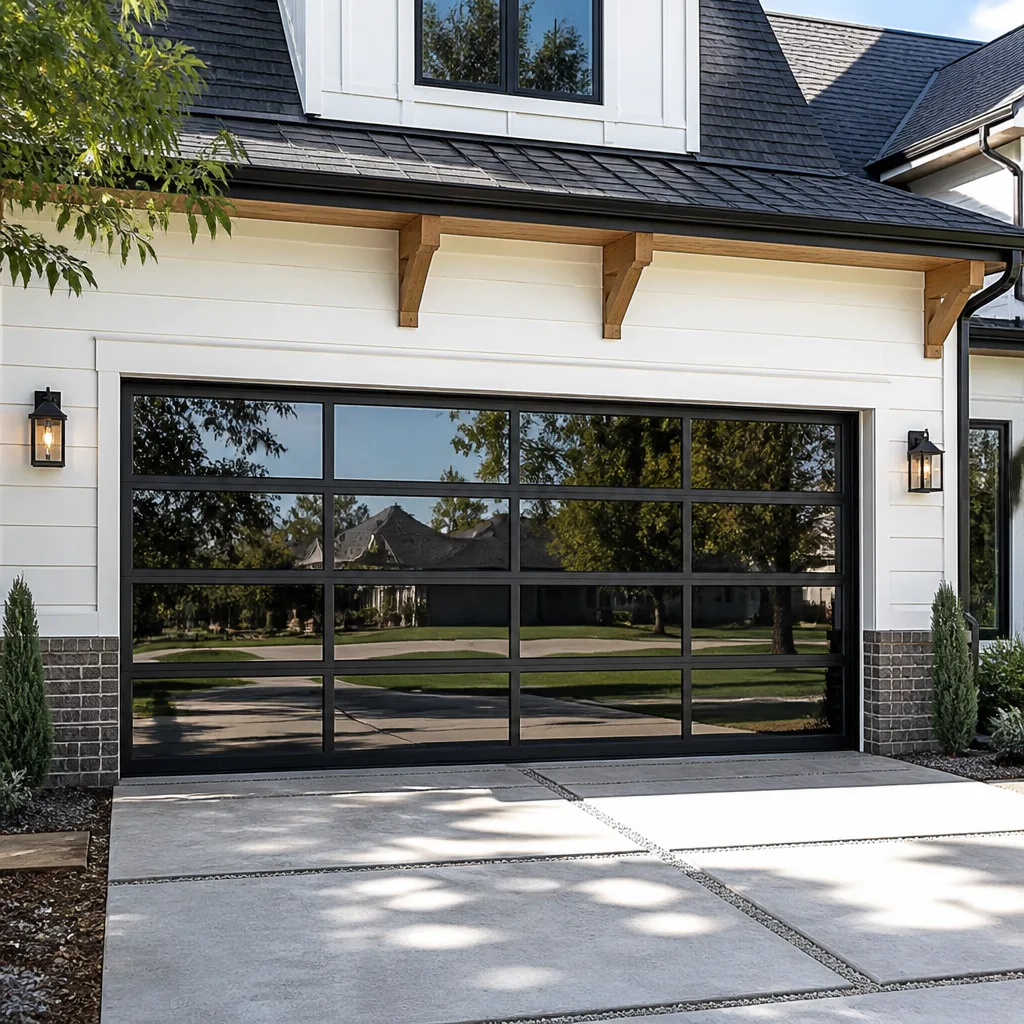 Full-view glass
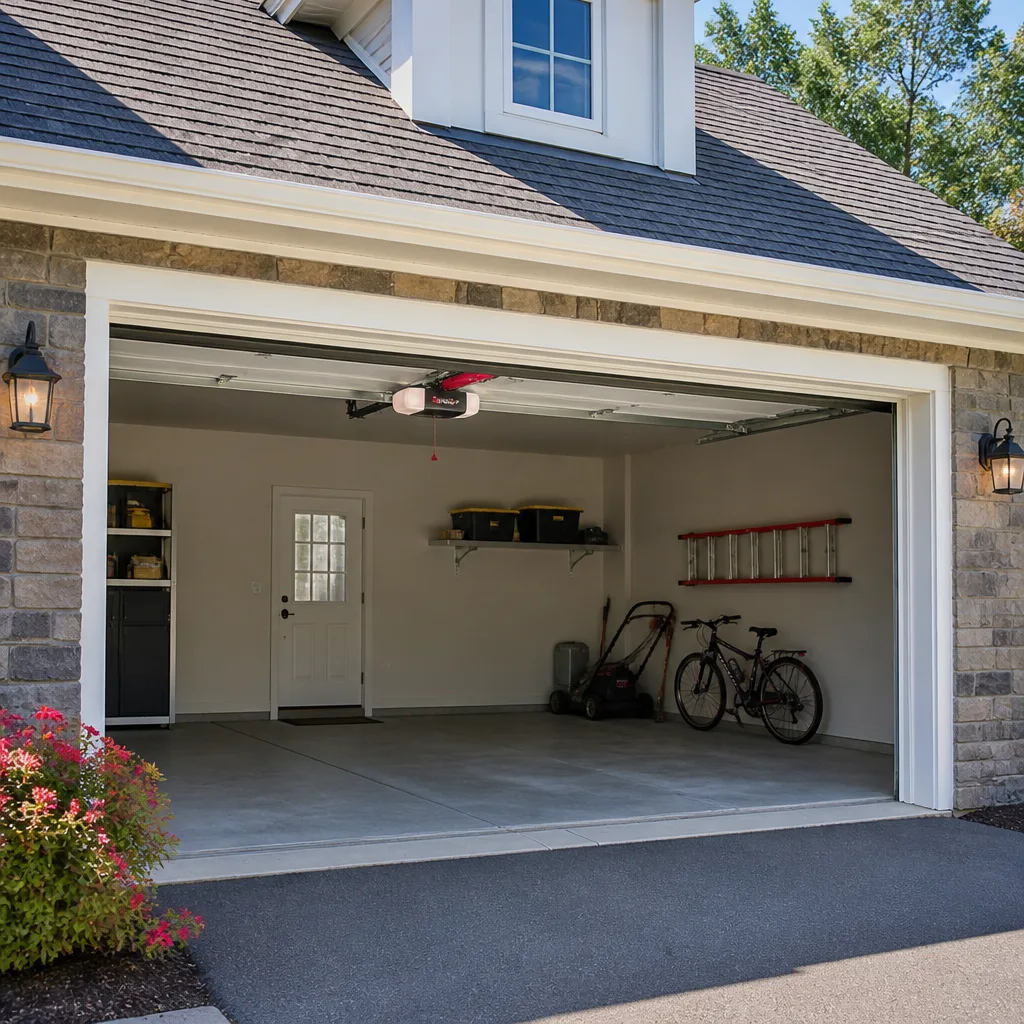 LiftMaster openers
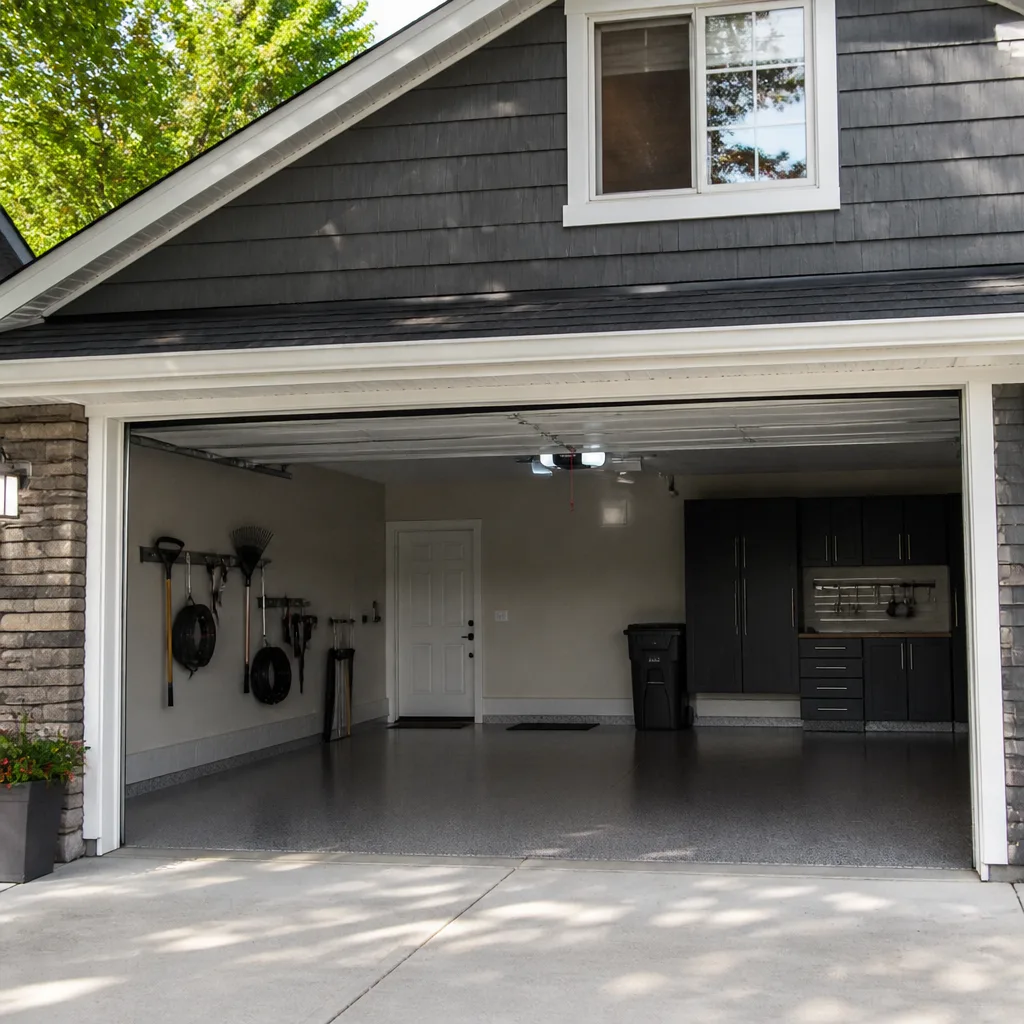 Chamberlain openers
Full 25-point door and opener safety check with every visit - springs, cables, rollers, tracks, and your LiftMaster or Chamberlain opener included
You get a price before we start. It does not change when the pro arrives.
Get your free estimateDIY vs Professional Garage Door: The Vineland Homeowner’s Decision Guide
Most advice about garage door repair splits the world into “handy” and “not handy,” and that’s the wrong line to draw. Plenty of mechanically confident homeowners around Vineland have swapped a dead opener or restrung a weather seal without a problem. But a torsion spring holds enough stored torque to break a wrist or worse when it lets go, and that danger has nothing to do with how capable you are with a wrench. The question isn’t whether you’re skilled enough to replace one. It’s whether the money you’d save is worth the risk the task itself carries. This guide draws the DIY-versus-professional line by what can go wrong, not by what’s technically hard, and gives you a task-by-task map you can actually use in Vineland.
Quick Answer
Safe DIY garage door tasks are limited to weatherstripping, lubrication, safety-sensor alignment, remote and keypad programming, and visual inspections. Torsion springs, cables, track realignment, and opener motor replacement should always go to a trained technician, because those parts store or release force that can injure you in a fraction of a second. If you’re unsure which side of that line a job sits on, call Vineland Garage Door Repair Pros at (866) 937-7821 for a free estimate and an honest answer.
Styles & brands we work with
- Raised-panel steel
- Carriage house
- Modern flush
- Full-view glass
- LiftMaster openers
- Chamberlain openers
Table of Contents
- What Vineland homeowners can safely do themselves
- Jobs that always belong with a professional
- Why torsion springs are a risk problem, not a skill problem
- What a DIY mistake really costs when it goes wrong
- Tools and parts worth stocking between visits
- How to talk to a technician about splitting the job
- How Vineland homes and weather shape the decision
- Common mistakes to avoid
What Can a Vineland Homeowner Safely Do Themselves?
The cleanly DIY-able tasks all share one trait: if you get them wrong, the door stops working or lets a draft in, but nothing snaps back at you. Those jobs are worth learning because they save real money over the life of the door and keep small problems from growing into big ones. Here’s the short list we’d hand any capable homeowner in Vineland.
- Weatherstripping and bottom seals. The rubber flap along the bottom of the door and the trim seals around the frame wear out, crack, and let cold air and moisture in. Replacing them is a matter of pulling the old strip, cleaning the channel, and pressing or fastening the new one. No stored energy involved.
- Lubrication. A garage door has rollers, hinges, and a track that benefit from a proper garage-door lubricant (not WD-40 as a substitute). A dry door gets noisy and strains the opener. This is a fifteen-minute task a few times a year.
- Safety-sensor alignment. If the door reverses on its own or won’t close, the photo-eye sensors near the floor may be misaligned, dusty, or blocked. Wiping the lenses and nudging them back to face each other fixes most of these cases.
- Remote and keypad programming. Pairing a new remote or changing a keypad code is a programming sequence, and the manual for your opener walks you through it. Genie and LiftMaster systems, among others, make this straightforward.
- Visual inspection. Look at the springs for gaps or rust, check the cables for fraying, watch the door travel for wobble or binding. You’re not fixing anything here, just catching problems early.
If your interior door into the house is sticking, sagging, or won’t latch, that’s a separate job from the overhead garage door itself, and it’s usually a matter of adjusting hinges or the strike plate.
What Garage Door Jobs Should Always Go to a Professional?
Four categories of work involve either stored force or heavy components, and those are where we draw the hard line. These aren’t tasks a tutorial can make safe, because the danger isn’t in the steps, it’s in the energy sitting in the part while you work on it.
- Torsion springs. The spring above the door is wound under tension. It has to be released and rewound with the right rods and the right technique, and a slip can send the winding rod across a room. This is a professional job every time.
- Cables. The cables run from the bottom corners up to the springs and hold the door’s weight in balance. A cable under load that snaps or is cut wrong can whip. Never cut or loosen a cable to “see what happens.”
- Track realignment. A bent or knocked-out-of-line track can send a door off its rollers, and a heavy panel coming down is a serious hazard. Tracks need to be squared and re-secured with the door supported correctly.
- Opener motor replacement and drive-system work. Replacing the motor, the drive belt or chain, or the torsion tube assembly means working around the same springs and cables, plus the electrical connection. Our garage door opener repair handles this side of the system.
There’s a fifth case that gets missed: any door that’s visibly off its track, hanging crooked, or that has a panel buckled from an impact. Don’t cycle it to “test” it. A misaligned door under opener force can come down hard. Call and get it looked at.
Why Torsion Springs Are a Risk Problem, Not a Skill Problem
Here’s the part that separates garage doors from other home repairs. A torsion spring is a coiled steel bar that’s been wound tight to counterbalance the door’s weight. To lift a door that weighs well over a hundred pounds with one hand, the spring has to store most of that lifting force as torque. That energy stays in the spring every second the door is closed. When the spring is being installed, adjusted, or when it fails, that stored energy releases all at once.
The forces involved are the reason spring work is its own discipline. A trained technician uses specific winding rods, stands clear of the spring’s release path, and knows the difference between a spring that’s under load and one that’s been safely de-tensioned. The rods, the stance, the sequence: none of it is something you can absorb from a video, because a video can’t stand behind you and stop your hand. We’ve handled enough spring failures around Vineland to treat every one as a job for someone who does it daily.
That’s also why we run spring repair as a dedicated service rather than an add-on. Springs are one of the most commonly needed repairs and one of the most dangerous, and it deserves a technician trained for it. If you’re weighing whether to attempt it, our garage door spring repair page spells out what the job involves. The honest answer to “should I do this myself” is no, and it’s not a knock on your ability. It’s the physics.
What Does a DIY Mistake Actually Cost When It Goes Wrong?
A professional spring repair is a known cost. A DIY spring or cable mistake has a much wider range, and the downside isn’t just money. When a spring lets go during a DIY attempt or a cable snaps under load, three things tend to follow: additional parts get damaged (bent tracks, cracked panels, a strained opener), the job turns into an emergency call, and in the worst case there’s an injury that no garage door bill can offset. We won’t put a number on the medical side, because it varies too much to be useful. But the structural side is easier to explain.
- A failed spring can twist the torsion tube or bend a track. What was a single-part repair becomes a multi-part one.
- A snapped cable can drop a corner of the door. That often means a bent track, a strained opener, and a door that won’t move until it’s all back in line.
- An off-track door forced back into the opener can burn out the opener’s drive gear or motor, which is a bigger bill than the track fix.
- Emergency call costs run higher than a scheduled repair. That’s true across the trades and across Vineland. When the door is stuck open overnight, the job becomes urgent and the pricing reflects it.
The comparison that matters isn’t “DIY cost versus professional cost on the spring itself.” It’s “professional cost for the spring versus whatever a failed attempt turns into: a bigger repair, an emergency visit, and a risk you took on yourself.” For most homeowners, the arithmetic favors having the spring done right the first time.
What Tools and Parts Should You Keep on Hand Between Visits?
The DIY-safe tasks are easier if you already have the right items in the garage. None of these are dangerous, and having them means small issues get handled the same day instead of waiting for the next service call. Here’s a sensible kit for a Vineland homeowner.
- Garage-door lubricant. A proper spray or grease made for garage-door hardware, for rollers, hinges, and the track’s moving contact points.
- A spare bottom seal or weatherstripping strip. Ideally sized to your door width before you need it. Clopay and Amarr doors, among others, have specific seal profiles, so match the part to your model.
- A soft cloth and a small brush. For cleaning the sensor lenses and wiping track debris.
- A basic socket set and screwdrivers. For tightening hinge screws and the brackets that hold the weatherstripping.
- Your opener’s manual. The remote and keypad programming steps live there, and it saves a phone call.
One word of caution about stocking parts: don’t buy springs or cables to “have on hand.” You won’t install them, and the money is better spent on the service call. Leave the stored-energy parts to the people trained to handle them.
How Do You Talk to a Technician About Splitting a Job?
A good technician wants the job done safely, and that includes respecting what you’re comfortable handling yourself. An honest conversation up front saves everyone time. Here’s how to have it.
- Describe the whole problem, not just the part you want fixed. A door that’s won’t close could be a sensor, a spring, a cable, or the opener. Say what you’re seeing and hearing so the technician diagnoses the real cause.
- Tell them what you plan to handle. If you want to do the weatherseal and lubrication yourself, say so. They’ll focus on the mechanical work and skip those tasks.
- Ask what makes a job unsafe. A reputable technician will explain why a spring or cable isn’t a DIY job rather than just tell you no. If they can’t explain it plainly, that’s a flag.
- Get a written estimate before any work starts. It should spell out the parts and labor. On a mixed job, ask them to separate the line items so you can see what you’re paying for.
- Agree on what “done” looks like. For a spring replacement, “the door balances and cycles smoothly” is the standard. Confirm it before the technician leaves.
What a reputable contractor won’t agree to is a job that leaves a stored-energy part half-done or a door in a condition they can’t stand behind. That’s not a sales tactic. It’s a liability and safety line. The conversation goes smoothest when you’re clear about the parts you’ll handle and let the technician own the parts that carry risk. If the opener’s acting up, or you just need general garage door repair, the same conversation applies.
How Do Vineland Homes and Weather Shape the Decision?
Garage doors here live through real seasonal swings. Hot, humid summers and cold winters work on seals, hinges, and the wood or steel of any door that faces the weather. The bottom seal on a Vineland door takes the brunt of it: summer sun and winter cold crack the rubber faster than in a milder climate, and a cracked seal lets moisture in and drafts through. That’s a routine DIY candidate if you catch it early. Left alone, it lets water reach the door’s bottom section. If you spot signs of moisture damage there, that warrants a proper look.
The housing stock matters too. Vineland has a mix of older homes where the garage was added or modified later and newer builds with the standard single or double overhead door. On the older ones, tracks may be out of square or the opener may be an older unit that’s due for a drive-system check. Those are the situations where we recommend a professional inspection before deciding the DIY route. A tilt-up door on an older home behaves differently from a modern sectional with an opener, and knowing which you have changes how much you should attempt. Wayne Dalton and Clopay doors, for instance, vary quite a bit across models in how their hardware and seals are put together.
One local note on scheduling: outdoor temperature doesn’t change the spring safety rules, but cold makes springs and cables more brittle. A garage door that’s been stiff all winter is more likely to fail during a cold snap. That’s another reason to have spring and cable work done by a pro.
Common Mistakes to Avoid
- Trying to fix a torsion spring yourself. It’s under constant tension and needs professional tools and technique. This is the single most dangerous DIY mistake in the entire garage door world.
- Cutting or loosening a cable to “release” the door. A cable under load can whip and cause serious injury. Never touch one.
- Forcing an off-track door back into the opener. Running an opener against a misaligned door can bend the track further, wreck the opener’s drive gear, or bring a panel down. Stop and call.
- Skipping the written estimate. Approving work over the phone before you know the line items is how surprise bills happen. Get it in writing first, every time.
- Using WD-40 on the track and rollers as a lubricant. It’s a solvent, not a long-term door lubricant. It strips existing lubricant and leaves the door dry and noisy.
- Ignoring a bent panel or rusted track. These worsen with moisture and use. Catch them early with a look and a call, not months later.
- Assuming a general handyman can do a spring replacement. Garage doors are a single trade for a reason. Use a specialist, which is what our Vineland Garage Door Repair Pros page is about.
See the difference
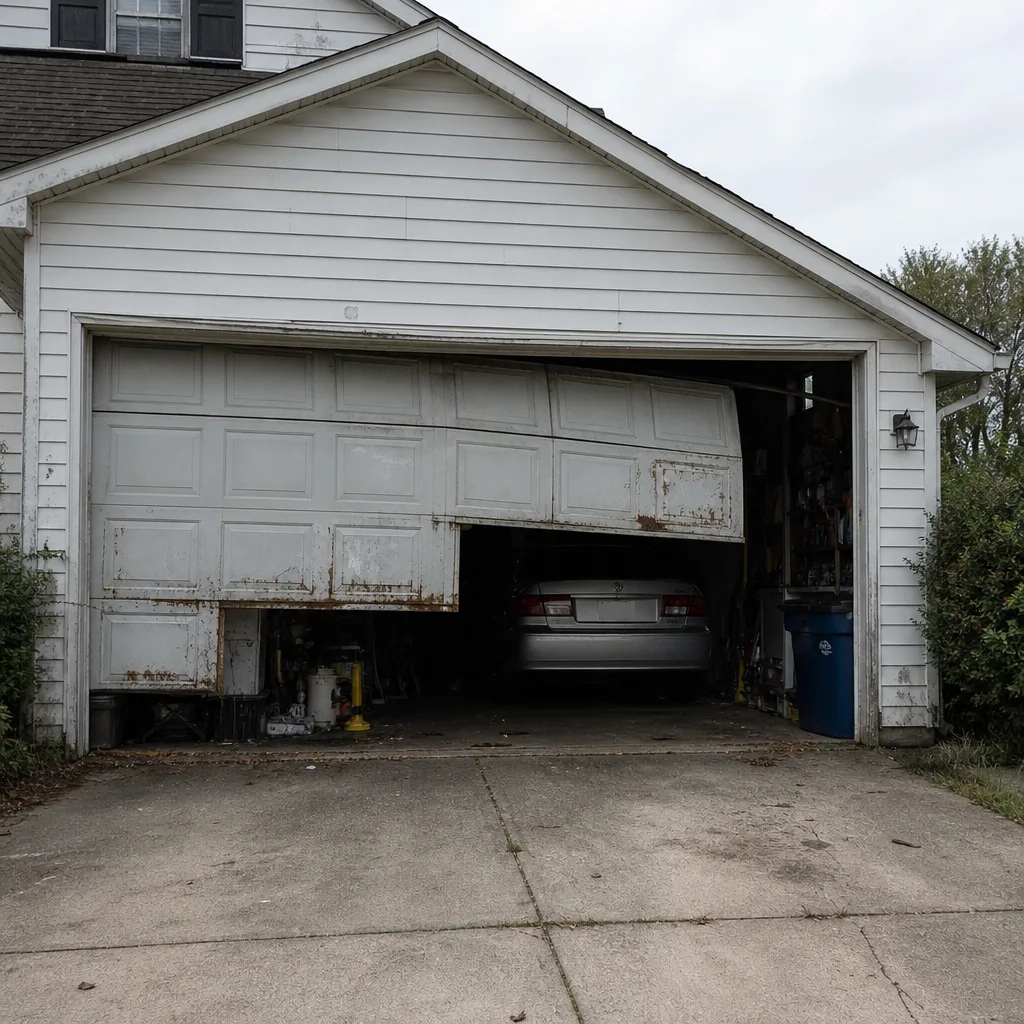 Before
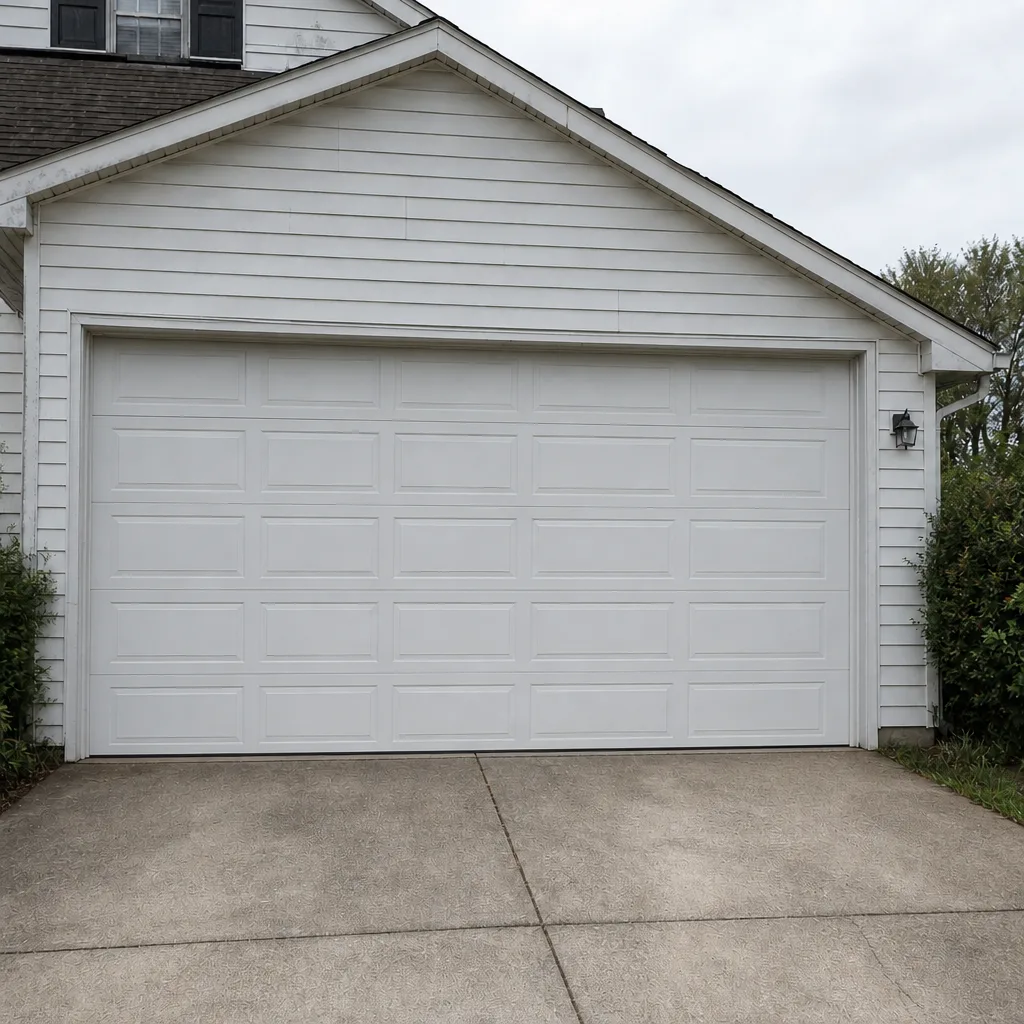 After
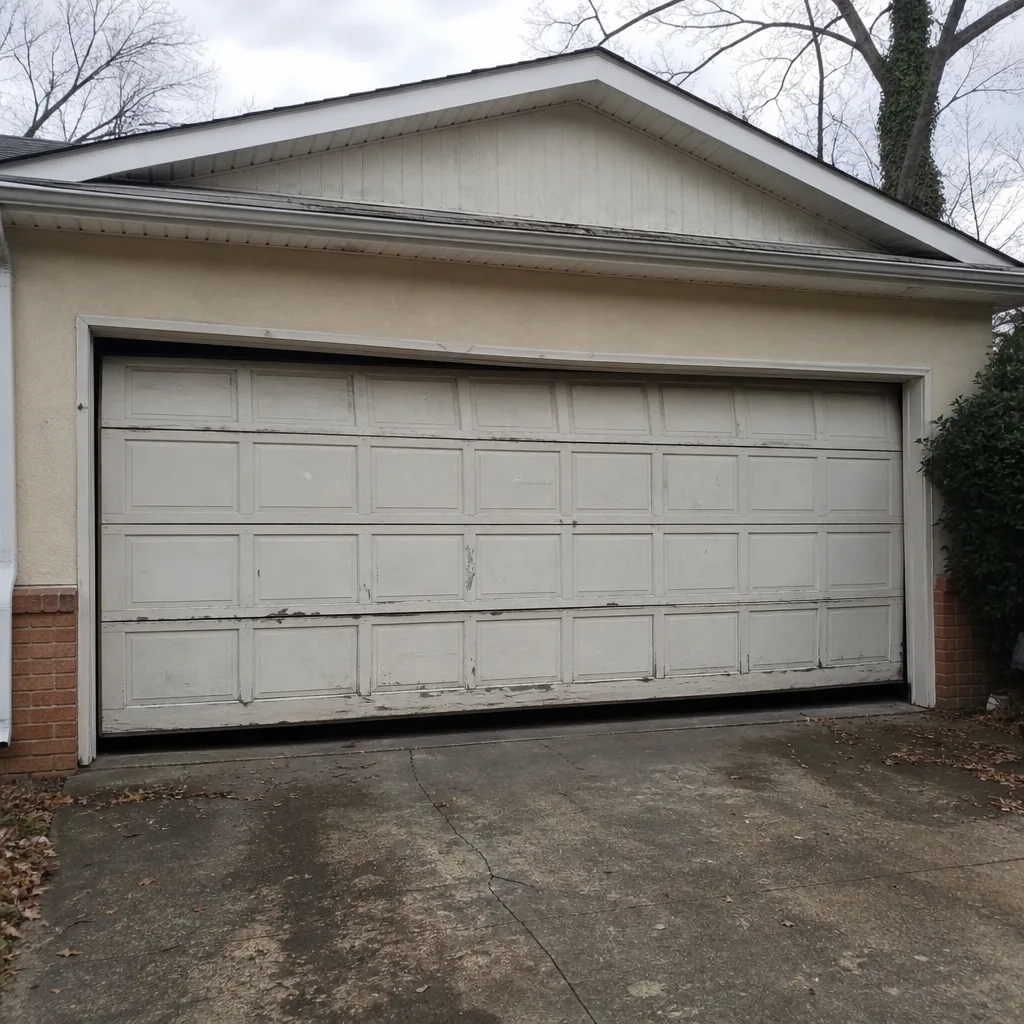 Before
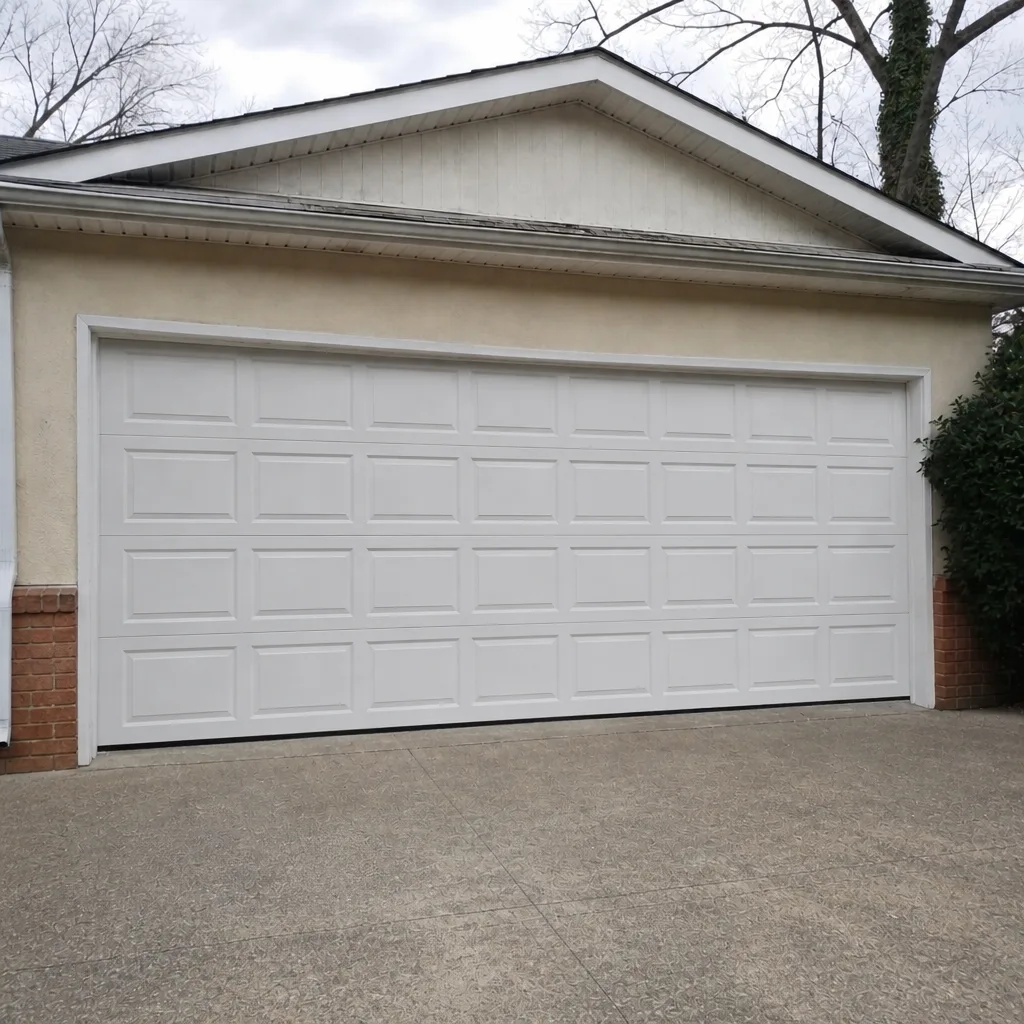 After
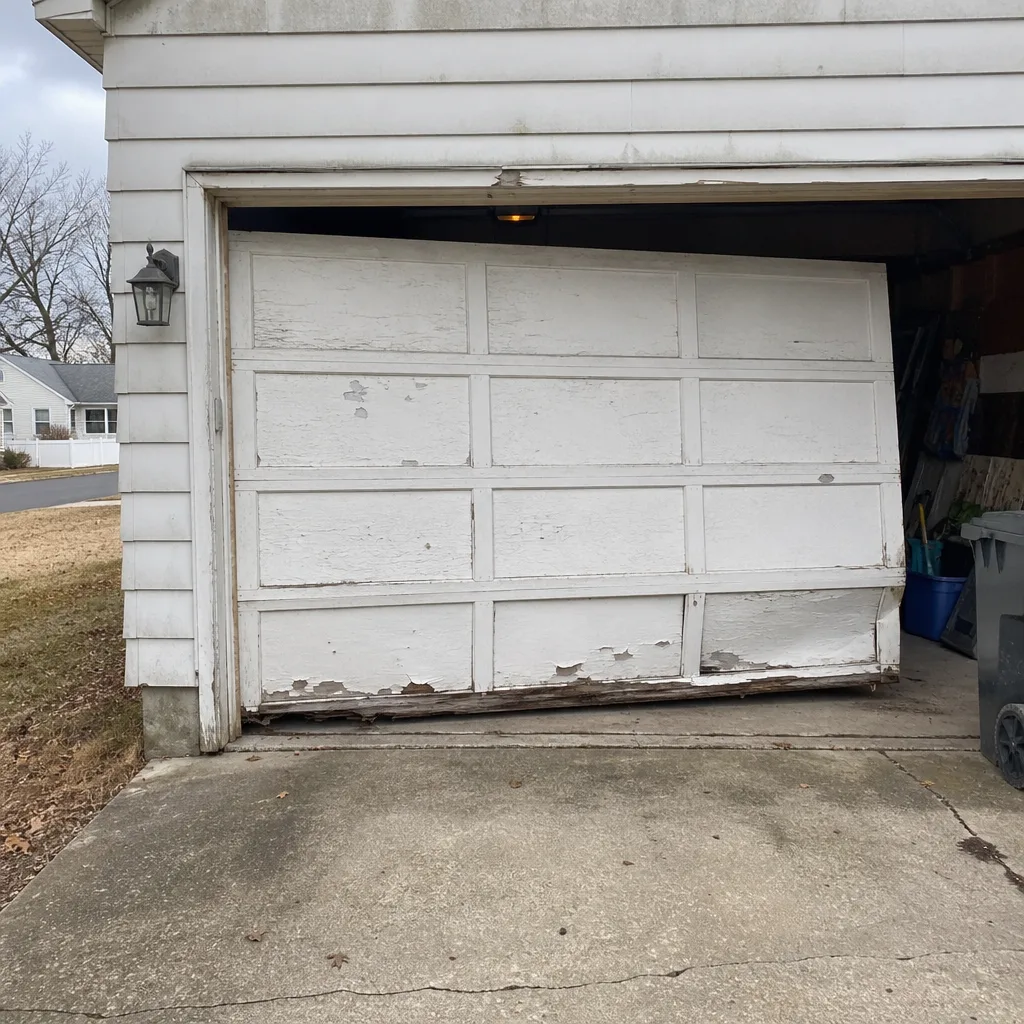 Before
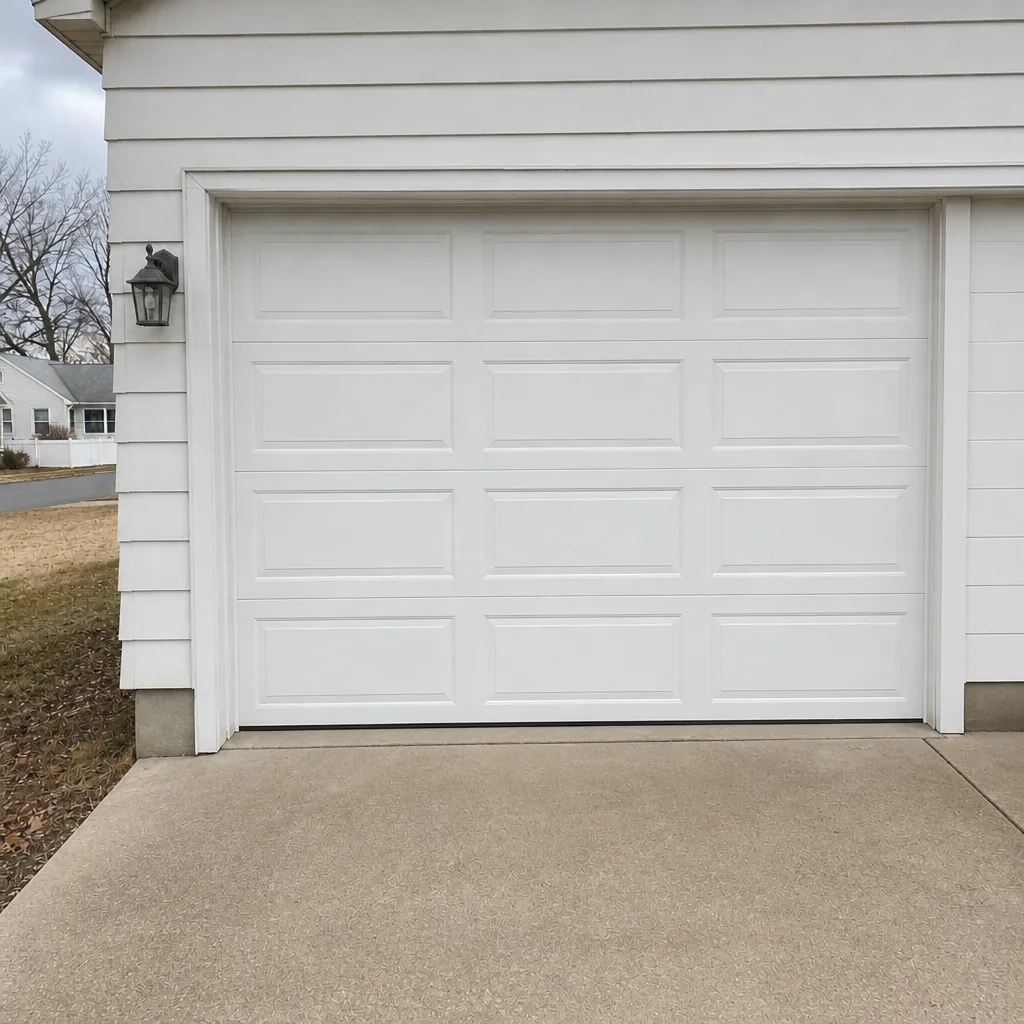 After
When to Call a Professional
Call a trained technician for anything that involves a torsion spring, a cable, an off-track or crooked door, a bent panel, or the opener’s motor and drive system. Those parts store or release force that can hurt you, and the fix needs someone who handles them daily. Call the same way if a door won’t move at all, even if you think you know the cause. We connect homeowners with local pros who can diagnose the real problem, quote the price before any work starts, and get the door back to safe operation. Vineland Garage Door Repair Pros offers free estimates in Vineland. Call (866) 937-7821 and we’ll set up a visit.
Frequently Asked Questions
No, and this is the one repair we’d steer every homeowner away from. The spring is wound under extreme tension that has to be released and rewound with proper rods and technique. A slip can cause serious injury in a fraction of a second, and no tutorial removes that risk. Call a trained technician.
Weatherstripping and bottom seals, lubrication, safety-sensor alignment, remote and keypad programming, and visual inspections are all safe and worth learning. None of them involve stored force. Anything touching springs, cables, tracks, or the opener’s motor should go to a professional. Call (866) 937-7821 for an exact quote if you’re unsure which side a job sits on.
Yes. A torsion spring stores enough energy to break a wrist or cause worse when released unexpectedly. That’s why it’s a risk problem, not a skill problem. The energy is there whether you’re experienced or not, and it releases all at once.
Often more than the original repair. A snapped spring or cable can bend tracks, crack panels, and strain the opener, so a single-part job becomes a multi-part one, usually as an emergency call. That’s before any injury or medical cost. The written professional quote is the safer and usually cheaper path. Call (866) 937-7821 for a free estimate.
It depends on the cause. A dead remote battery, a misaligned sensor, or a programming glitch is often DIY. A motor that runs but the door won’t move, a snapping or grinding drive, or a door that jerks suggest opener or spring trouble and need a professional. Have a technician diagnose it before you buy parts. Call (866) 937-7821.
The written estimate sets the price, and no work starts before you agree to it. If the technician finds an additional issue during the job, they’ll explain it and quote it before doing any extra work. You’re not committed to anything you didn’t approve.
The Bottom Line
Draw the line by what can hurt you, not by what looks complicated. Weatherstripping, lubrication, sensor alignment, and remote programming are worth doing yourself, and they keep your Vineland door quieter and longer-lasting. Torsion springs, cables, tracks, and opener motors belong with a trained technician because the force stored in those parts doesn’t care how handy you are. A DIY mistake there turns a known repair cost into a bigger, more urgent one. When in doubt, get a written estimate: the price is agreed before any work begins.
For a free estimate on any garage door repair in Vineland, call Vineland Garage Door Repair Pros at (866) 937-7821. We work on every major brand, from Genie and Clopay to Amarr and Wayne Dalton, and we’ll tell you honestly which parts of a job you can handle yourself and which ones you shouldn’t.
Written by the team at Vineland Garage Door Repair Pros.