Last updated November 23, 2026
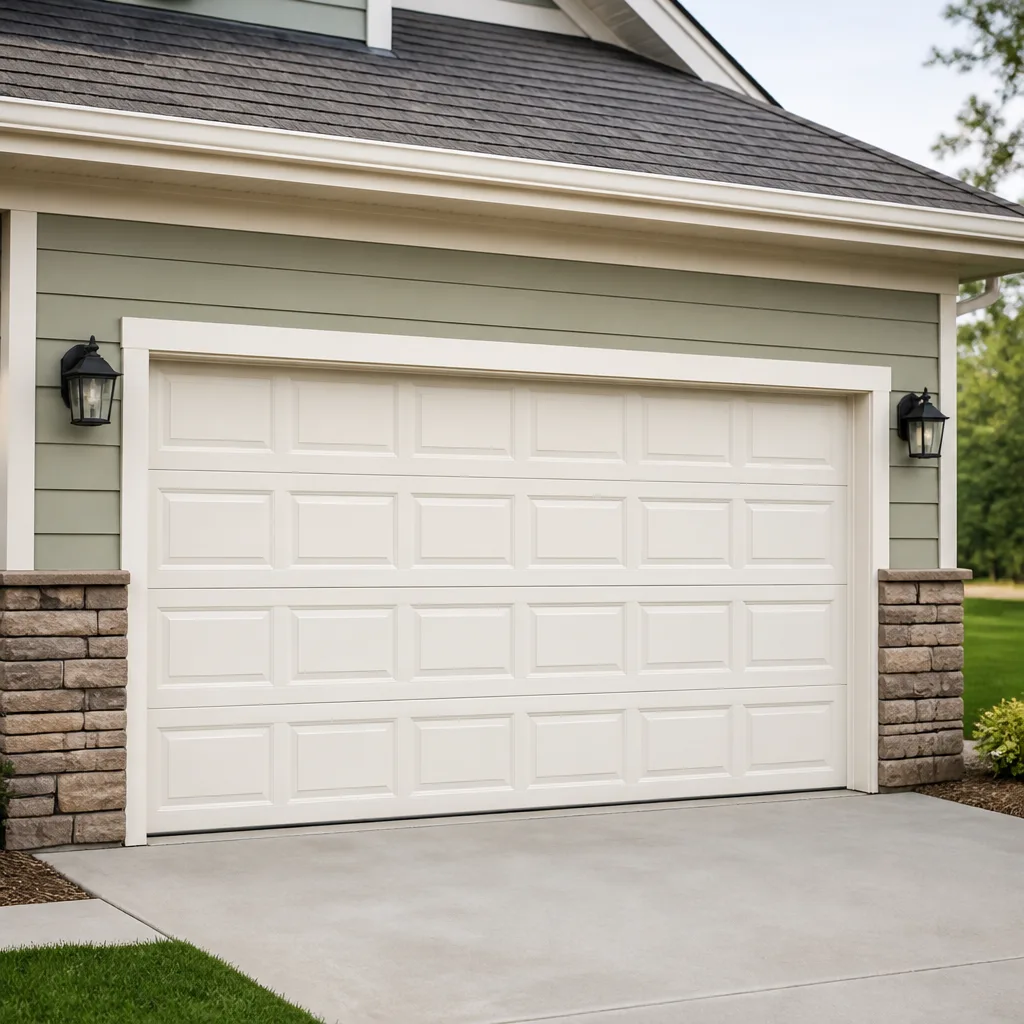 Raised-panel steel
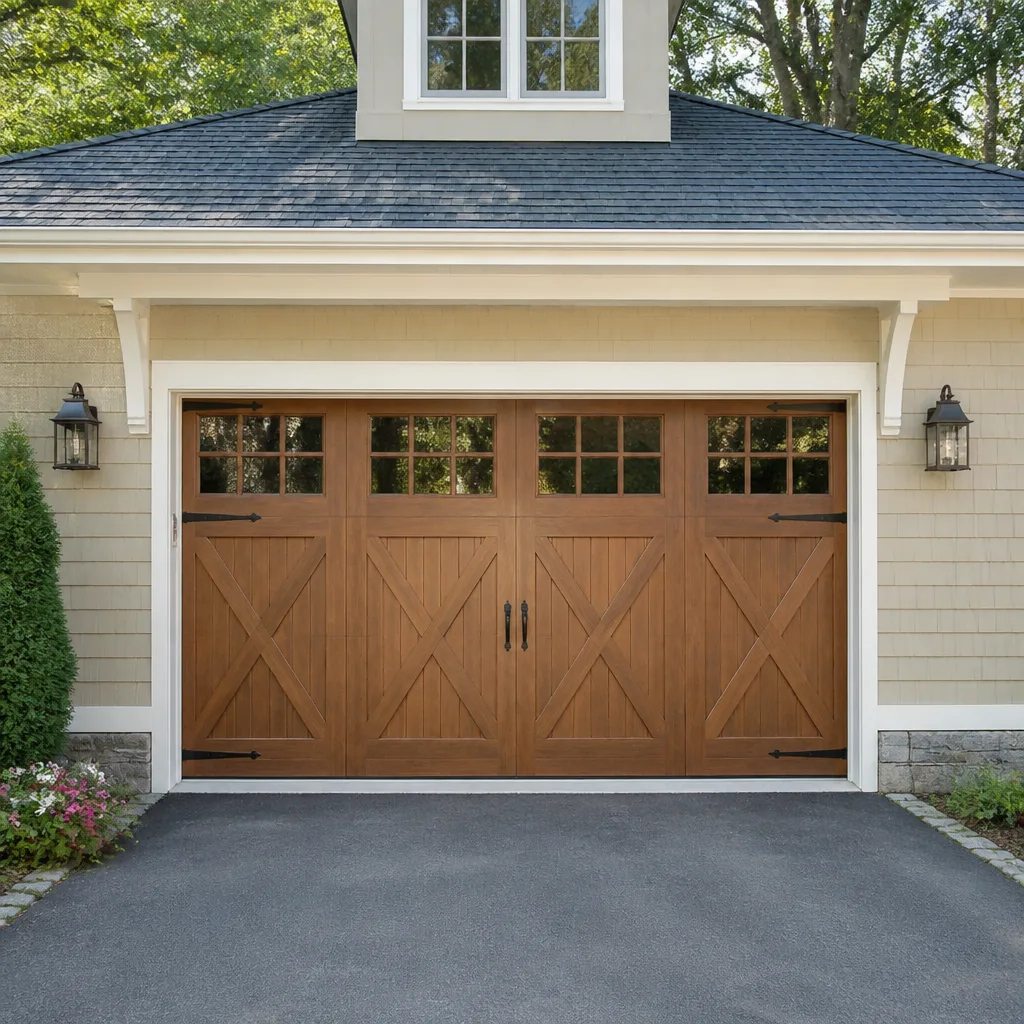 Carriage house
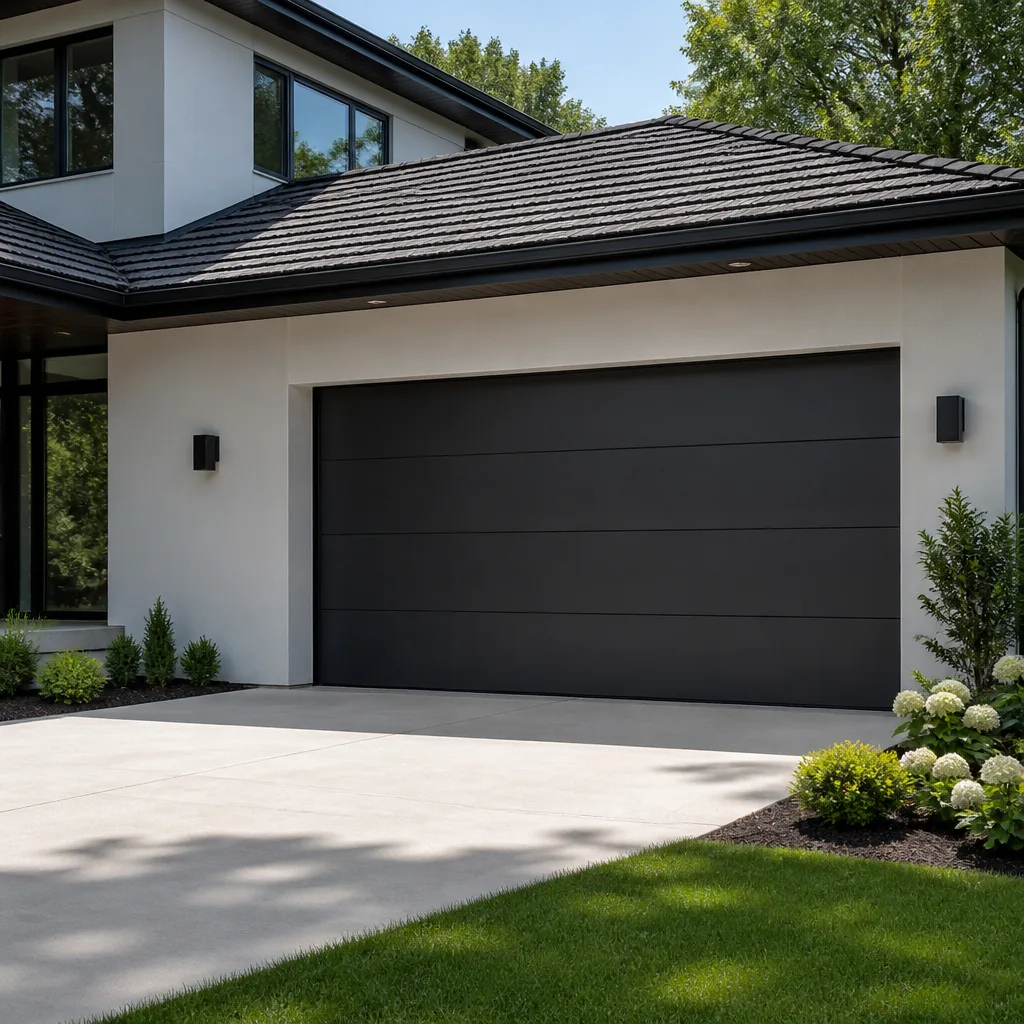 Modern flush
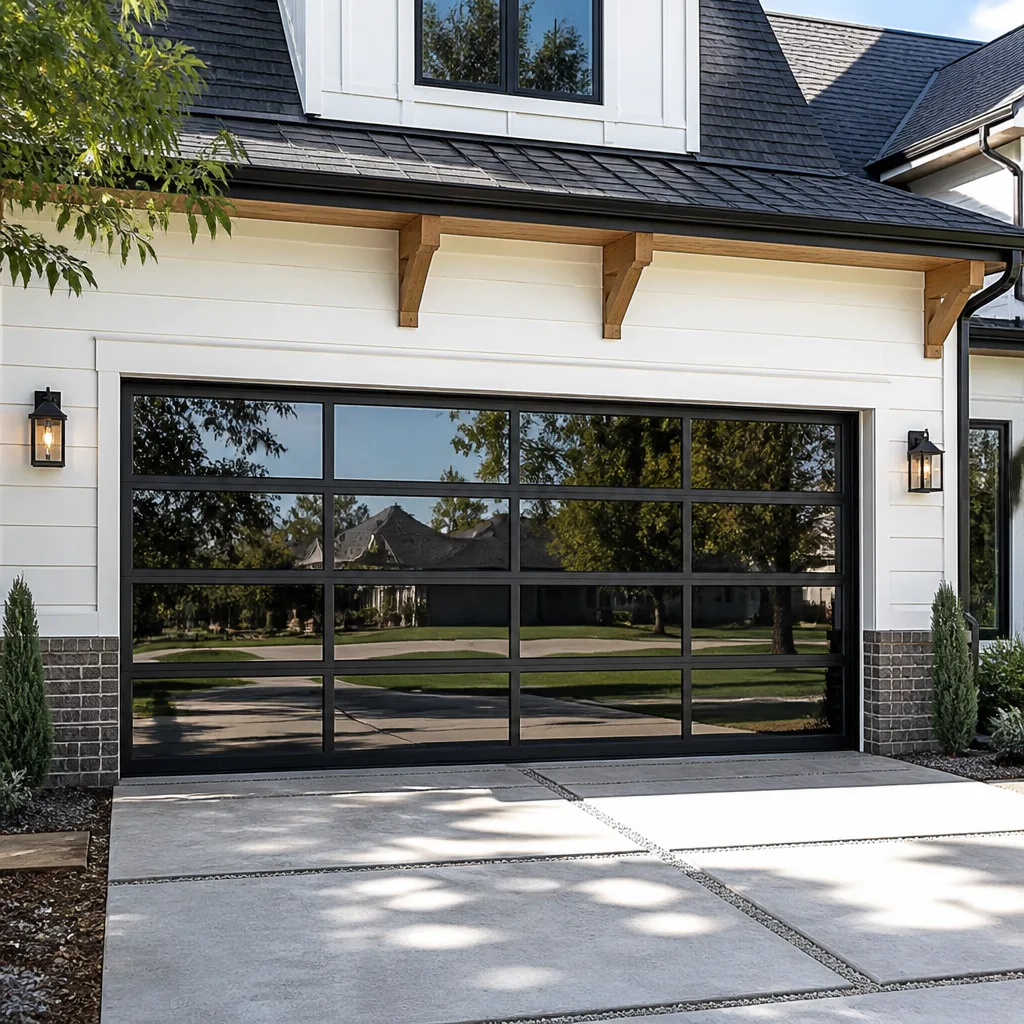 Full-view glass
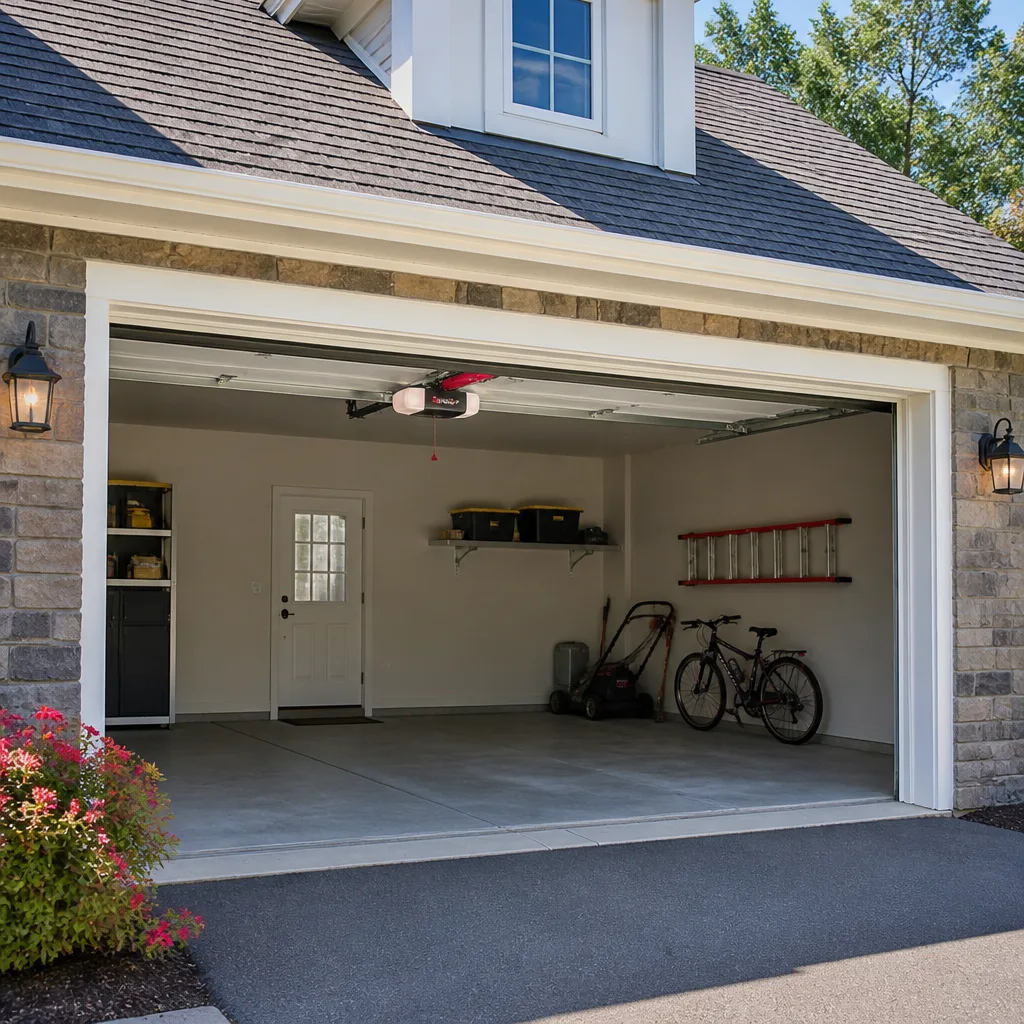 LiftMaster openers
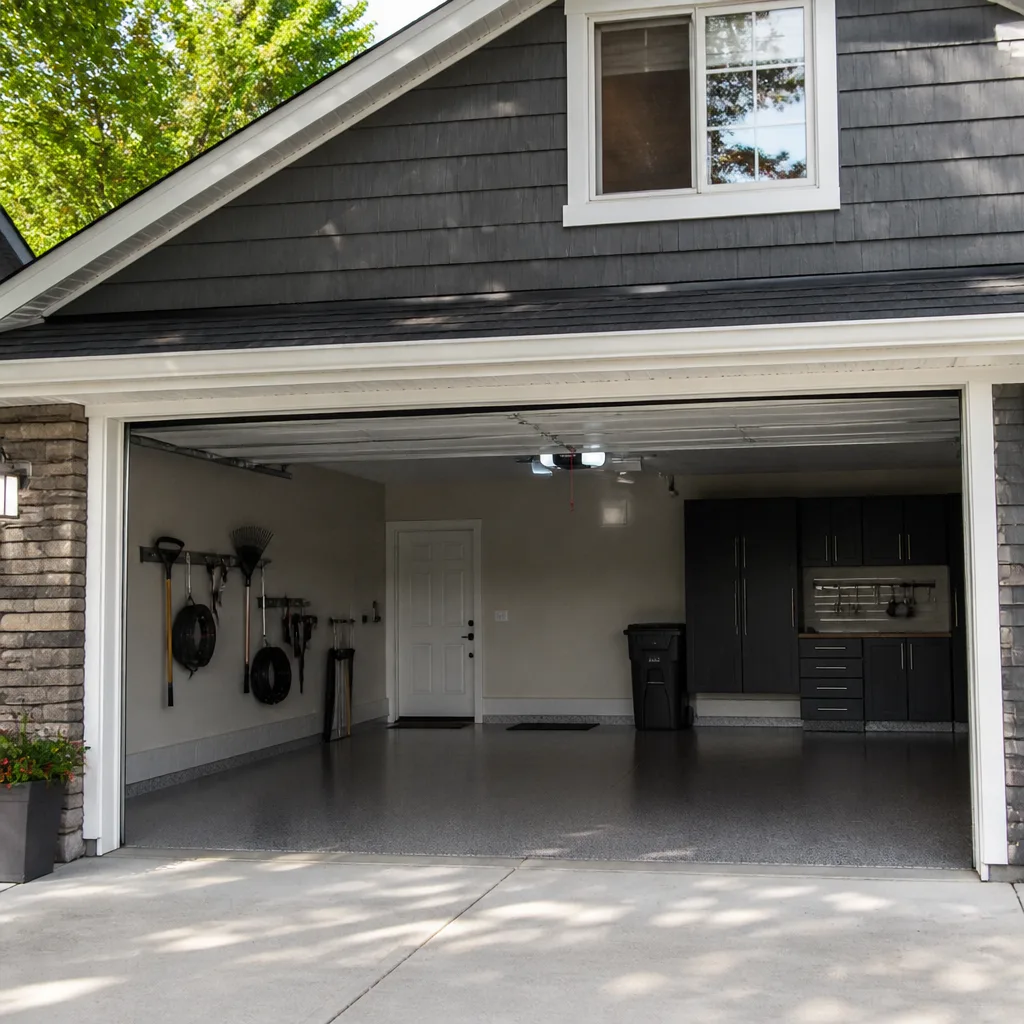 Chamberlain openers
Full 25-point door and opener safety check with every visit - springs, cables, rollers, tracks, and your LiftMaster or Chamberlain opener included
You get a price before we start. It does not change when the pro arrives.
Get your free estimateHow to Hire a Garage Door Contractor in Vineland: A Step-by-Step Guide
New Jersey doesn’t issue a garage door technician license. That’s the part most homeowners never think to ask about, and it changes how you should vet anyone who touches your door. The person quoting your spring replacement could be a genuine specialist or a handyman who added “garage doors” to a service list last month, and nothing on a business card will tell you which. A garage door is a weighted, spring-loaded system under constant tension, and a wrong repair doesn’t just cost money – it can fail dangerously. This guide walks you through exactly what to verify in Vineland, from the licensing reality to reading a quote line by line.
Quick Answer
To hire a garage door contractor in Vineland, verify that the company specializes in garage doors only, ask how they confirm spring specs and brand compatibility, request proof of insurance, and get a written, itemized quote before any work starts. Because New Jersey has no separate license category for garage door technicians, your vetting questions carry more weight than any credential you can look up. A true specialist will happily answer all of them.
Styles & brands we work with
- Raised-panel steel
- Carriage house
- Modern flush
- Full-view glass
- LiftMaster openers
- Chamberlain openers
Table of Contents
- What New Jersey Actually Requires of Garage Door Contractors
- The Five Questions That Reveal a True Specialist
- How to Read a Garage Door Quote Line by Line
- Red Flags Specific to Door-and-Opener Work
- How to Verify Insurance and Complaint History
- How to Structure Payment to Protect Yourself
- Why Vineland Doors Wear the Way They Do
- Common Mistakes to Avoid
What New Jersey Actually Requires of Garage Door Contractors
New Jersey requires a Home Improvement Contractor registration for most residential remodeling and repair work, and garage door installation generally falls under that umbrella. What the state does not have is a dedicated garage door technician license. There’s no exam that proves someone understands torsion spring calculations, cable tension, or opener force limits. That gap is where hiring gets tricky.
What this means in practice for a Vineland homeowner:
- Registration is not expertise. A valid Home Improvement Contractor registration confirms a business filed paperwork with the state. It says nothing about whether a technician has ever correctly sized a torsion spring.
- General handyman work is a different category. Someone advertising general handyman services may legally do small jobs, but garage door spring and cable work is specialized, high-tension work that calls for dedicated training.
- Manufacturer knowledge is the real credential. Ask which brands the company works on routinely. A specialist fluent in Clopay, Amarr, Wayne Dalton, and Craftsman systems can tell you how each one’s hardware differs. A generalist usually can’t.
- Insurance is separate from registration. Ask for a certificate of insurance directly, not a verbal yes.
The practical takeaway: in Vineland, you can’t rely on a state license lookup to confirm a garage door specialist. You have to ask questions and read the answers. That’s the whole reason this guide exists. When you’re comparing contractors, the questions carry the weight, and a company that specializes in Vineland Garage Door Repair Pros work will welcome them rather than dodge them.
The Five Questions That Reveal a True Specialist
These five questions separate a garage door specialist from a handyman with a longer service list. Ask every one of them on the phone before you book a visit. You’re not testing for a scripted answer – you’re listening for specifics, numbers, and brand names that only come from doing this work daily.
- “What brands do you work on most?” A specialist names specific manufacturers – LiftMaster, Chamberlain, Genie, Clopay, Amarr, Wayne Dalton, Craftsman, Raynor – and can describe how a LiftMaster opener’s logic differs from a Genie’s. A generalist gets vague fast.
- “How do you size a replacement spring?” The right answer involves measuring wire gauge, inside diameter, and length, and matching the cycle rating. “We bring the right one” is not an answer.
- “Do you repair openers and doors, or just one?” A company that handles the full system – opener, springs, panels, tracks, installation – won’t need to refer you elsewhere mid-repair. That matters when a broken spring and a strained opener are related.
- “What’s your process when a door is off-track?” A specialist describes isolating the danger, checking the cables and rollers, and rebalancing. A generalist tends to improvise.
- “Can you show me the spring specs on the quote?” This is the tell. Anyone who won’t put the wire size and cycle rating in writing either doesn’t know it or is planning to swap in whatever’s cheapest.
Ask these for garage door opener repair too, not just springs. The same knowledge gap shows up in opener diagnostics, where a specialist reads the force settings and travel limits rather than guessing at a board replacement. If a company stumbles on question two or five, thank them and keep calling.
How to Read a Garage Door Quote Line by Line
A trustworthy garage door quote is itemized and specific. If you get a single lump figure or a text message with a number, you’ve learned something important about how that company operates. Here’s what a real quote should break out, and what vague versions actually signal.
- Parts with specs. Springs should list wire gauge, inside diameter, and length. A quote for one spring is not a quote for a pair; a matched pair is usually replaced together and costs roughly twice one spring. If the quote says “springs” with no count, ask.
- Labor, separate from parts. Bundling them hides markup. A clean quote separates what you’re buying from what you’re paying someone to install.
- Opener model number. If an opener is part of the job, the quote names the exact model, not “a new opener.” Brand and model affect belt versus chain drive, horsepower, and smart features.
- Disposal and haul-away. Old doors and openers don’t vanish. It should be listed.
- Any permit note. Most municipalities require a permit for structural or electrical changes tied to a door or opener. Ask your city’s building department whether your job needs one; a quote that addresses this is more careful than one that ignores it.
Vague language is the warning sign. “Spring replacement, starting at” with no bottom line, or “plus materials” with no cap, are setups for a bill that grows after the door is already apart. The written estimate is the price. Get it before work starts, in writing, with the specs filled in. For questions on what a proper spring quote looks like, our page on garage door spring repair lays out the details worth confirming.
Red Flags Specific to Door-and-Opener Work
Garage door scams follow patterns. These are the signals that a contractor is opportunistic rather than specialized, and each one is common enough that we see homeowners ask about them regularly.
- Quoting over the phone without measuring. Springs are sized to the door’s weight. Anyone who names a price for a spring without seeing the door is guessing, and the guess usually goes up once they arrive.
- Refusing to show spring specs. If a contractor won’t tell you the wire gauge and cycle rating, they may be planning to install a lighter-duty spring that fails sooner.
- Pushing an opener replacement when the door is the problem. A door that won’t stay up is usually a spring or balance issue, not a dead opener. A specialist diagnoses first.
- Quoting one spring when the door needs two. Doors with a pair of springs typically need both replaced together. Replacing one leaves an unbalanced door and a second failure waiting.
- No written estimate. “We’ll figure it out when we get there” is how a fair price becomes a surprise invoice.
- Cash-only and no paperwork. A business with proper insurance and registration will give you a receipt and a written quote without being asked.
Door panels have their own red flags. A quote that promises a “universal” panel for a Clopay or Amarr door, with no mention of the panel’s profile or color match, often means a mismatched result. If a repair fails and the door drops or springs back, the danger is real, so these details are worth insisting on before anyone starts.
How to Verify Insurance and Complaint History
Verification is two steps, and both are free. First, get the insurance certificate. Second, check the complaint record. Neither takes long, and both protect you if something goes wrong after the door is worked on.
- Request a certificate of insurance. Ask for it in writing before booking. It should show general liability coverage, which protects your home if a technician damages the door, the wall, or the frame. Don’t accept a verbal “we’re insured.”
- Check registration status. A New Jersey Home Improvement Contractor business should be able to provide its registration details. Ask for the number and confirm it.
- Look up complaint history. The NJ Division of Consumer Affairs maintains records you can search. A history of unresolved complaints is a real signal, even for a company with a friendly phone manner.
- Ask about warranties in writing. What’s covered, for how long, and who honors it if the company is unavailable later. Get the answer on the quote, not just on the phone.
This step matters more in Vineland than homeowners often realize, precisely because the trade isn’t separately licensed. The state’s records and the insurance certificate are the closest thing you have to a credential check. Take the ten minutes. A contractor with a clean record won’t mind; one who resists the questions is telling you something.
How to Structure Payment to Protect Yourself
How you pay is as important as how much. A fair payment structure keeps your leverage until the door is tested and working. The safest pattern is straightforward: never pay the full amount up front, and never pay in a way you can’t trace.
- Deposit, not full payment. A deposit to cover materials is normal; paying the whole job before work starts is not.
- Hold the balance until the door is tested. The door should open, close, reverse properly, and sit level before final payment. Test it with the technician present.
- Pay by card or check, not cash-only. A paper trail matters if a warranty claim comes up later.
- Get the invoice with line items. It should match the quote. If the final invoice has items the quote didn’t list, ask why before you pay.
- Confirm the warranty in writing. What’s covered and for how long, on the same document as the payment.
The price is set by the written estimate, which is agreed before any work starts. That line protects you more than any phone promise. If a contractor insists on full payment up front or won’t put the price in writing, that’s your signal to call someone else.
Why Vineland Doors Wear the Way They Do
Vineland’s climate puts specific stresses on garage doors and openers, and a specialist should understand them. This region gets hot, humid summers and cold winters with real freeze-thaw cycling. That swing affects the door in ways a generalist won’t anticipate.
- Humidity and steel. Summer moisture works on tracks, hinges, and rollers. A specialist checks lubrication and hardware condition during a routine repair, because a sticky track puts extra load on the opener.
- Freeze-thaw cycles. Winter contraction and ice at the threshold can throw a door slightly off-balance. A door that struggles in January but works in July is a balance issue, not an opener issue.
- Spring cycle life. Springs are rated in cycles, not years. A heavily used door in a busy Vineland household wears its springs faster than a lightly used one, and the door’s weight should match the spring’s rated cycles.
- Garage as a workshop or storage. Vineland’s detached and attached garages are often used year-round, so opener load and spring wear track actual use, not the calendar.
A contractor who can’t explain how a Vineland winter affects a door’s balance is probably not thinking about the door’s mechanics, just the invoice. For seasonal concerns or a door that won’t close properly, start with garage door repair rather than a replacement quote.
Common Mistakes to Avoid
- Hiring a generalist because they answered the phone first. Garage door work is a specialty, not a general handyman task. The first person to pick up isn’t automatically the right person to touch your springs.
- Accepting a phone quote without measurements. Spring pricing depends on the door’s weight and the spring’s specs. A quote given before anyone has seen the door is a guess that tends to grow.
- Skipping the insurance check. Asking for the certificate takes minutes; skipping it can mean paying out of pocket if a technician damages your door or wall.
- Paying in full before the work is tested. Hold the balance until the door opens and closes properly. Once you’ve paid, your leverage is gone.
- Replacing the whole door when a repair is enough. A noisy door or a slow opener isn’t always a replacement. Get a diagnosis before agreeing to a new system.
- Ignoring spring specs on the quote. The cheapest spring is usually the one that fails soonest. Ask for the wire gauge and cycle rating every time.
- Choosing on price alone. A $100 difference is small next to a re-do. A company with a clean record and clear quotes is worth more than a lowball number.
See the difference
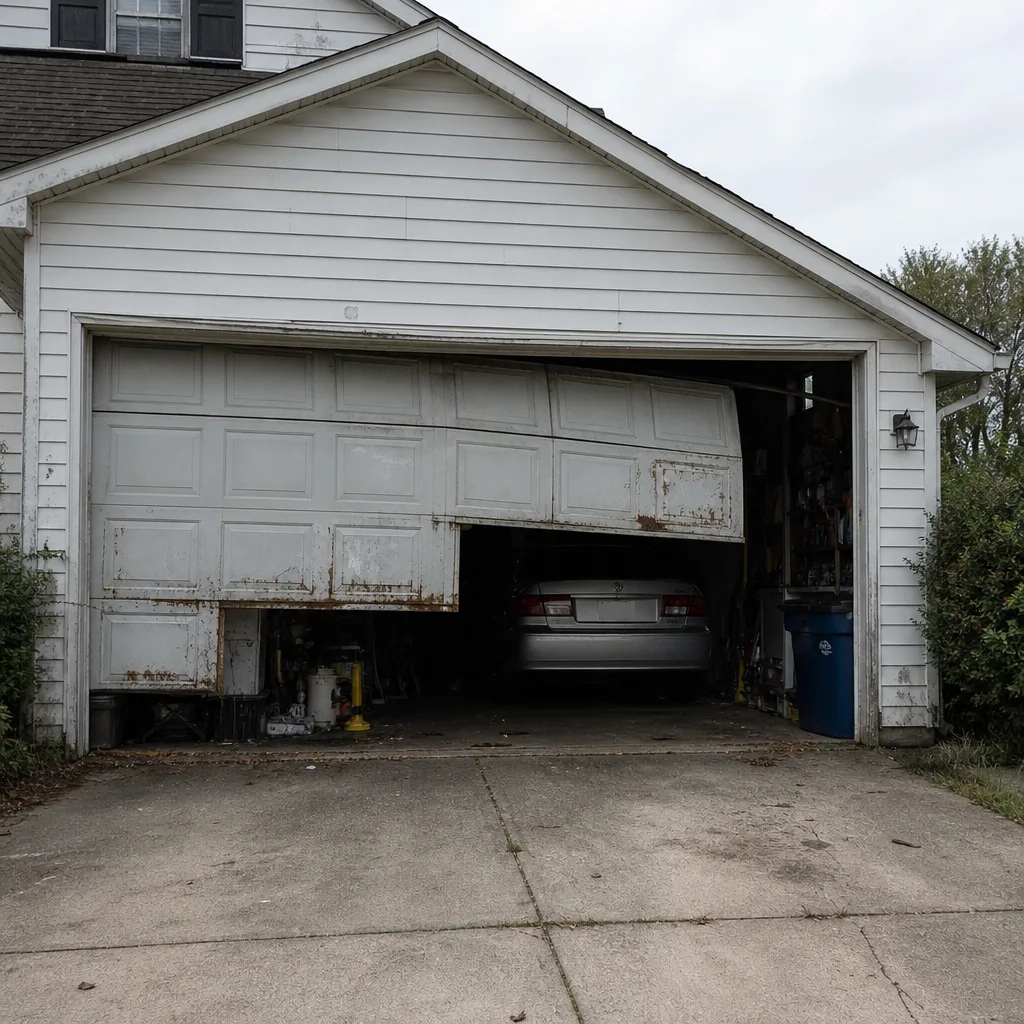 Before
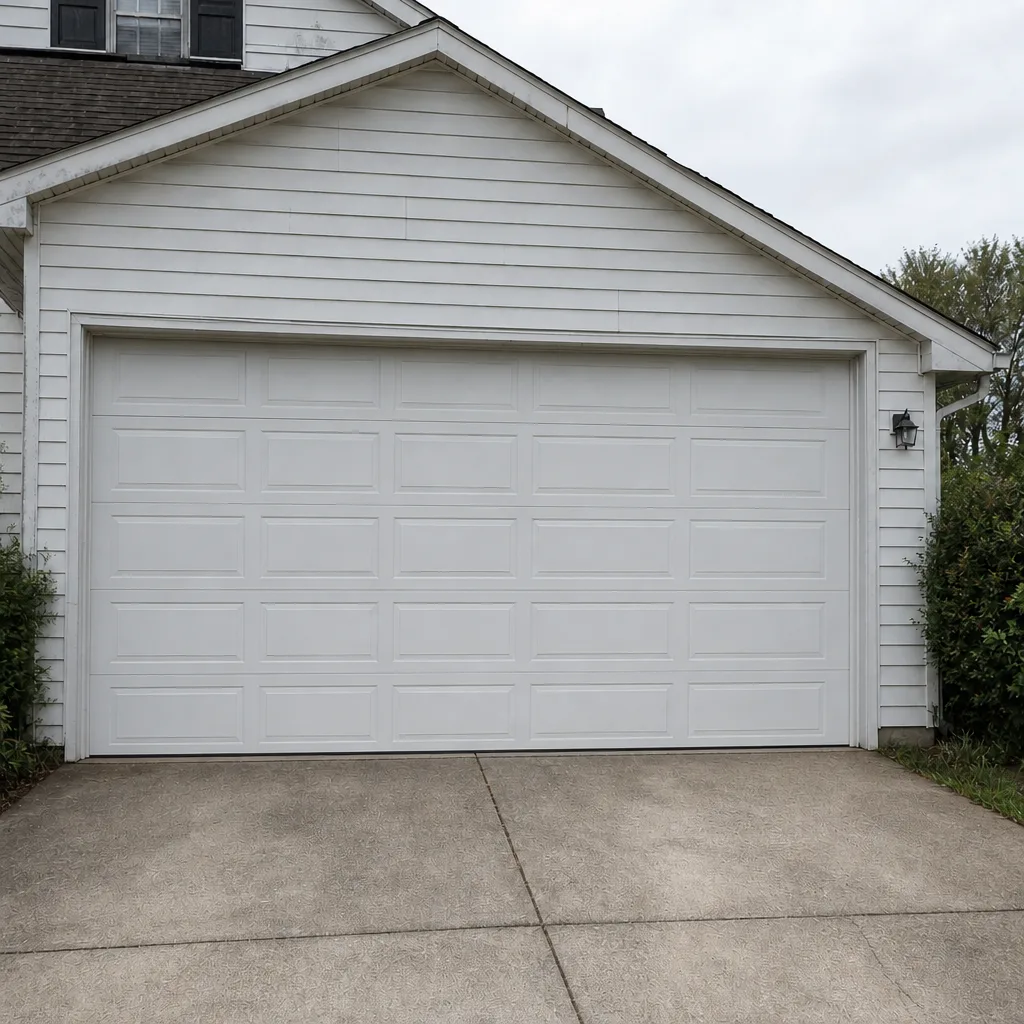 After
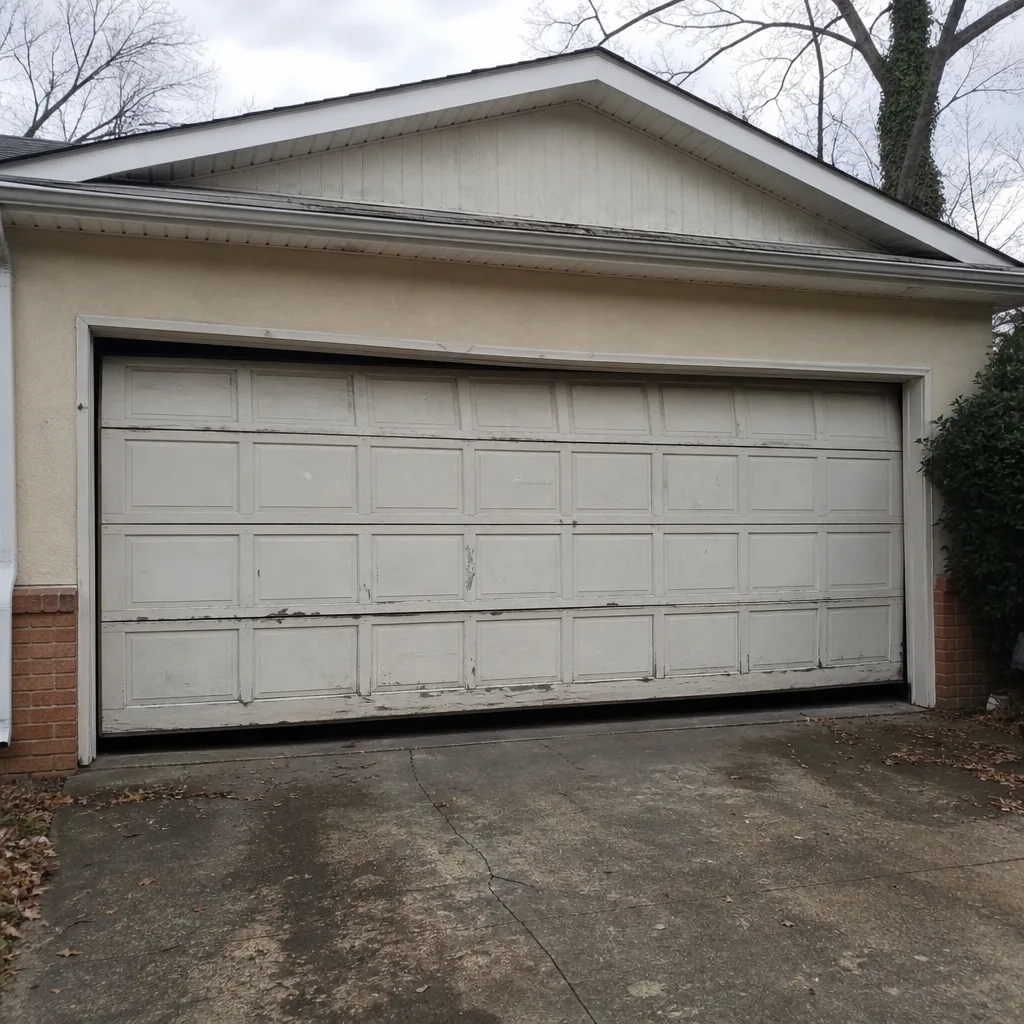 Before
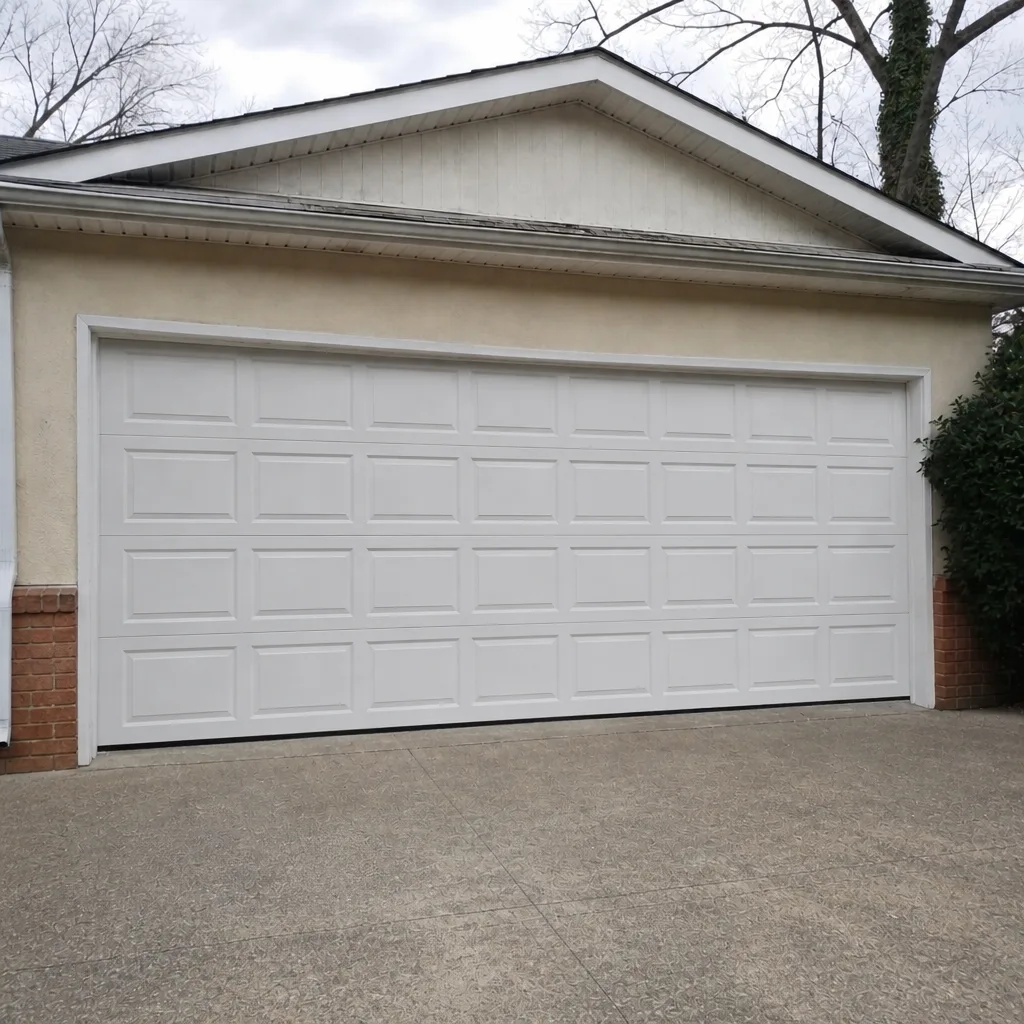 After
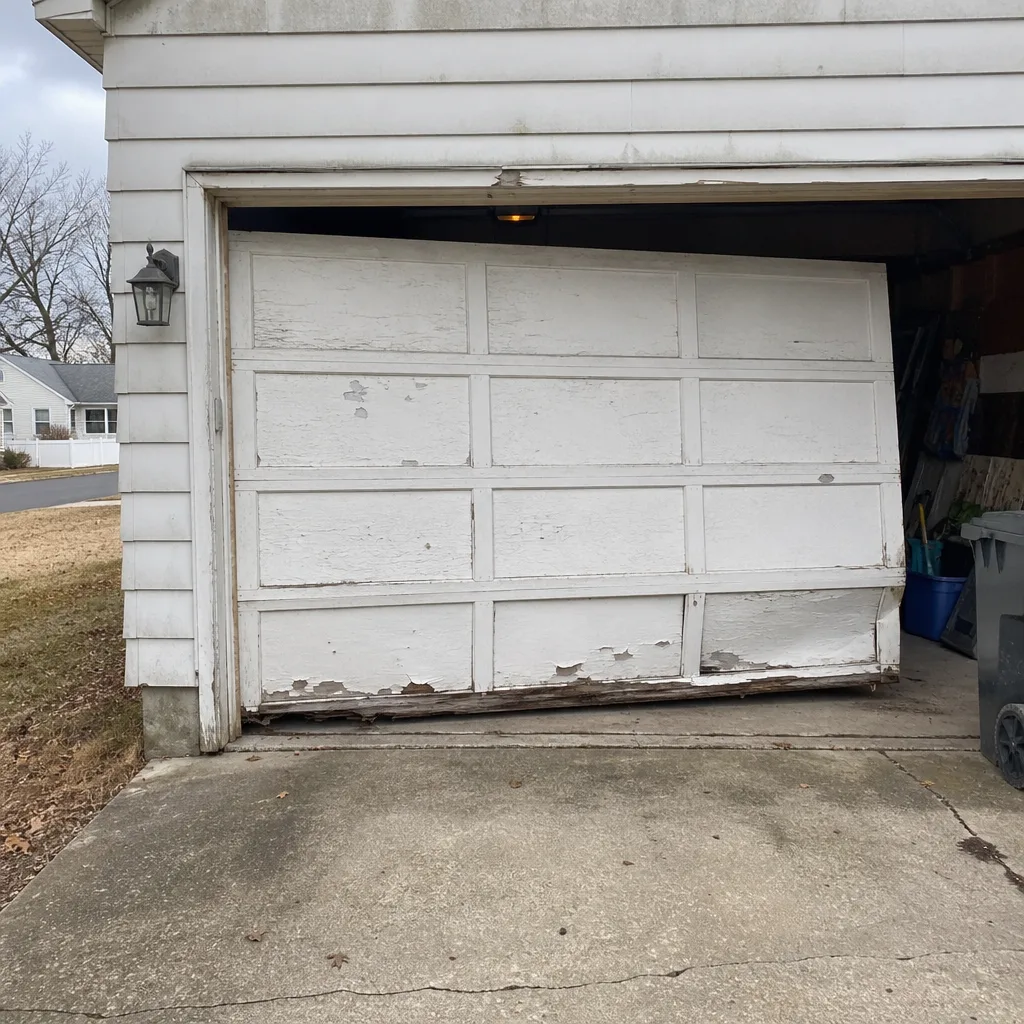 Before
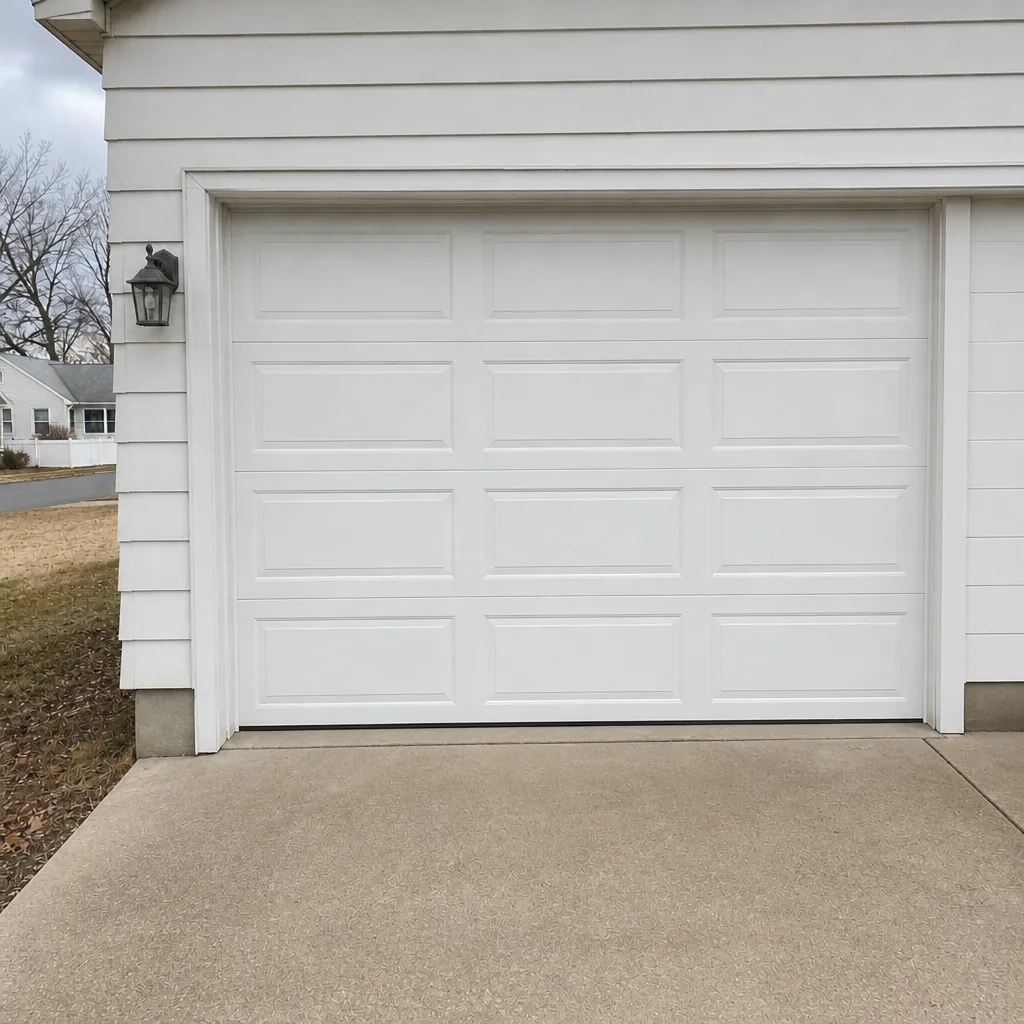 After
When to Call a Professional
Some garage door problems are a nuisance; others are dangerous. Call a trained professional for anything involving a snapped or tangled torsion spring, a cable that’s come loose, a door that’s off its track, or a door that won’t close and leaves the home or business open. These are not DIY repairs. Springs are under extreme tension, and the wrong move can cause serious injury. Also call when the opener runs but the door doesn’t move, when the door reverses or closes unevenly, or when a commercial door fails and stops operations. For those time-sensitive failures, emergency garage door service is worth asking about. Vineland Garage Door Repair Pros offers free estimates in Vineland – call (866) 937-7821.
Frequently Asked Questions
New Jersey does not issue a separate garage door technician license, so there’s no dedicated license to check. Most residential work falls under the state’s Home Improvement Contractor registration, and you should verify that registration plus proof of insurance. Your best signal is whether the company specializes in garage doors and can answer spring and brand questions in detail.
A real specialist answers brand, spring-spec, and opener questions specifically and hands you a written, itemized quote. Ask which manufacturers they work on and how they size a replacement spring; a genuine garage door company names LiftMaster, Chamberlain, Genie, Clopay, and similar brands and knows how each system differs. If the answers are vague, keep looking.
A proper quote itemizes parts with specs, separates labor from parts, names any opener model, and lists disposal. For springs, it should show wire gauge, inside diameter, and length, and make clear whether it’s one spring or a pair. Ask for the price in writing before work starts; the written estimate sets the final price. Call (866) 937-7821 for a free estimate.
A snapped torsion spring is replaced, not repaired, because it’s a single wound piece of steel that loses its tension when it breaks. Springs are paired on most doors, so both are usually replaced together. A trained technician handles this safely, since spring tension is dangerous and not a DIY job.
Pay a deposit rather than the full amount, hold the balance until the door is tested and working, and always get a written invoice that matches the quote. A written estimate agreed before work begins is your main protection against a surprise bill.
Quoting over the phone without measuring, refusing to show spring specs, pushing an opener replacement when the door is the problem, and skipping the written estimate are all real red flags. Any one of these means it’s worth calling someone else.
The Bottom Line
Hiring a garage door contractor in Vineland comes down to verification, not reputation. Because the state doesn’t separately license technicians, your questions do the work a license normally would: confirming the company specializes in doors, understands the brands, quotes with real specs, carries insurance, and puts the price in writing before anyone starts. A true specialist welcomes every one of those questions. A generalist or an opportunist won’t. Read the quote line by line, verify the insurance, and hold payment until the door is tested. That’s how you protect your most-used entry point.
One call covers the door, the opener, the springs, and the installation. Our technicians have up to 11 years of experience working on the full range of door and opener systems, so we diagnose without guesswork. When you’re ready to compare quotes or you’ve got a door that won’t move, call Vineland Garage Door Repair Pros at (866) 937-7821 for a free estimate.
Written by the team at Vineland Garage Door Repair Pros.