Last updated November 23, 2026
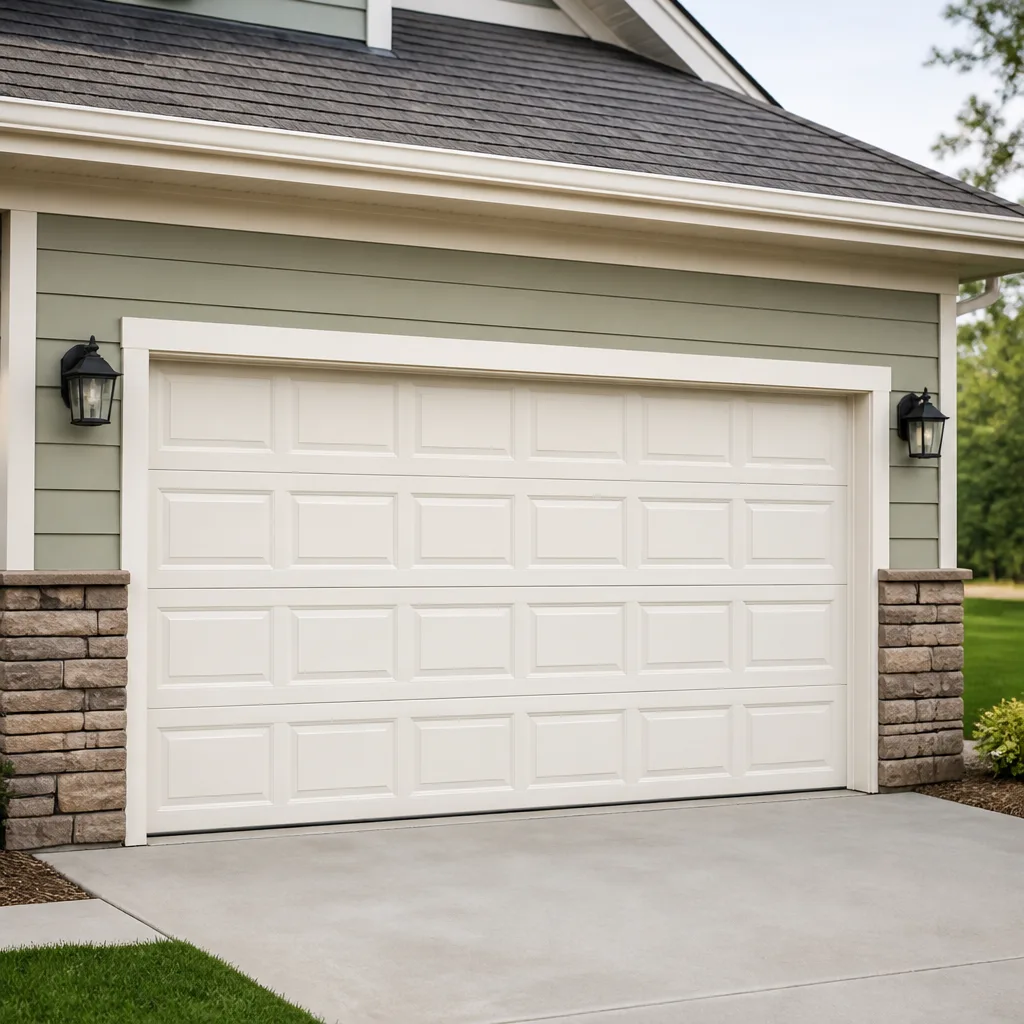 Raised-panel steel
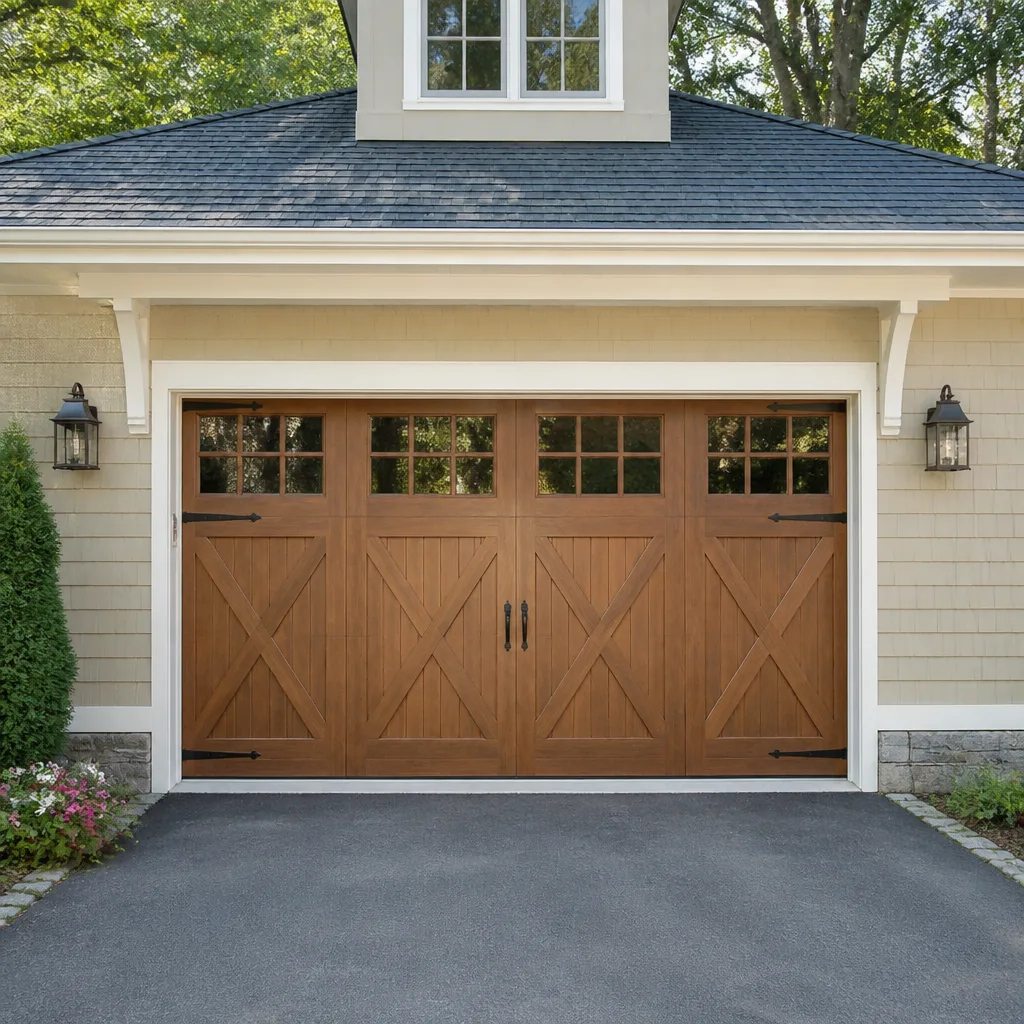 Carriage house
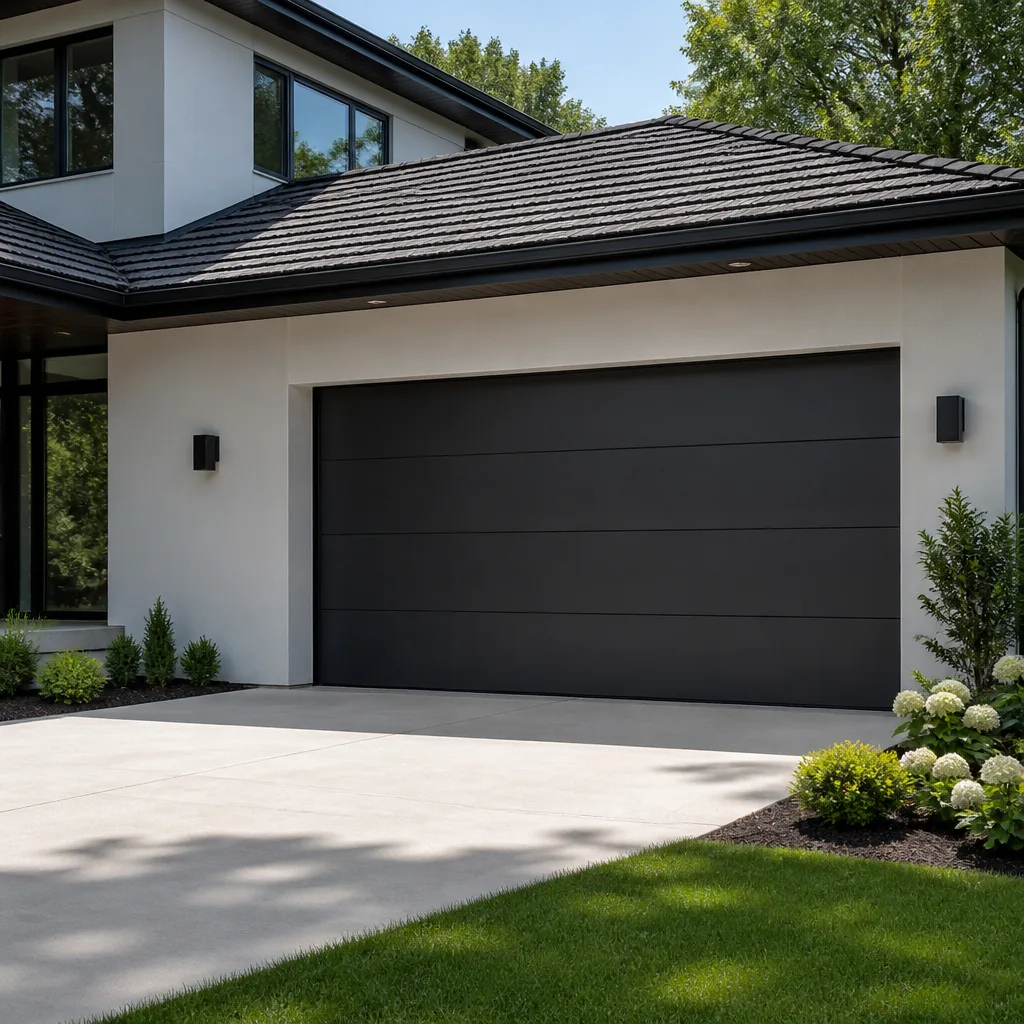 Modern flush
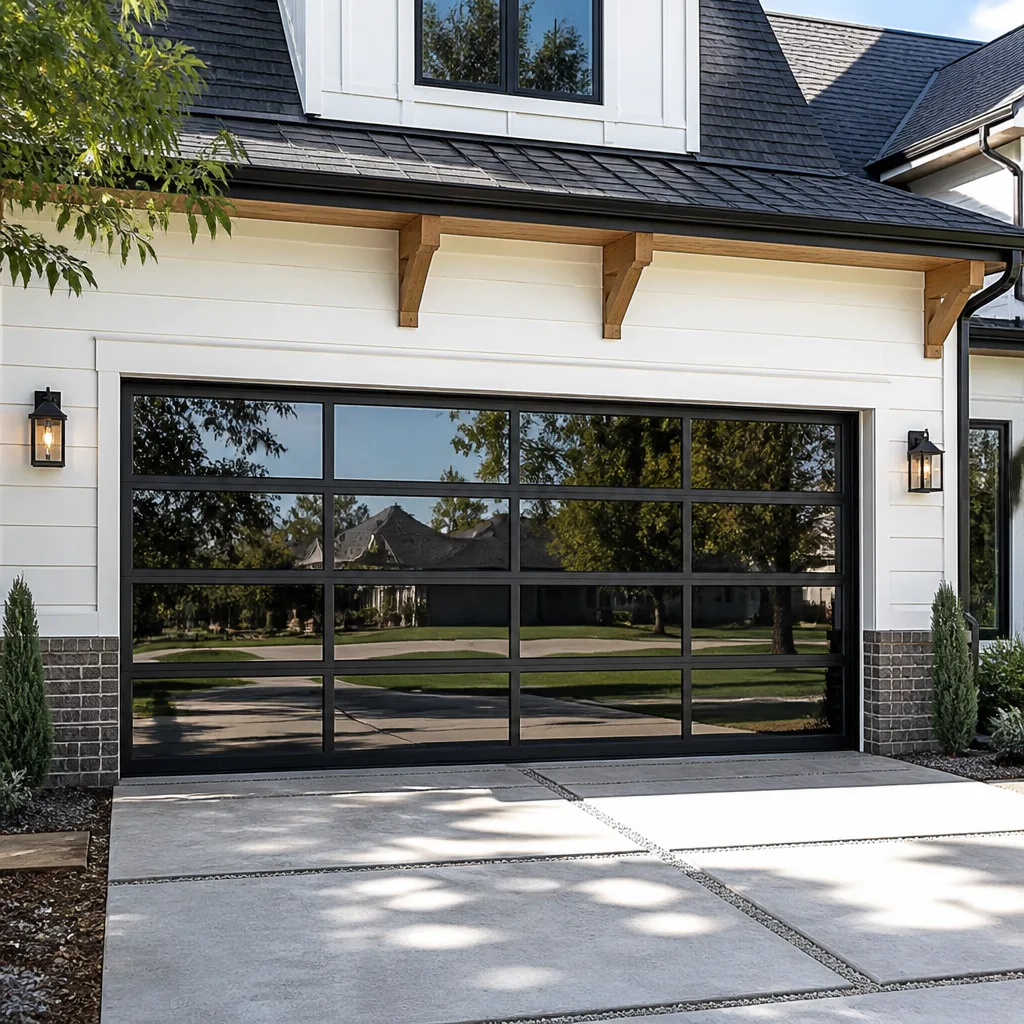 Full-view glass
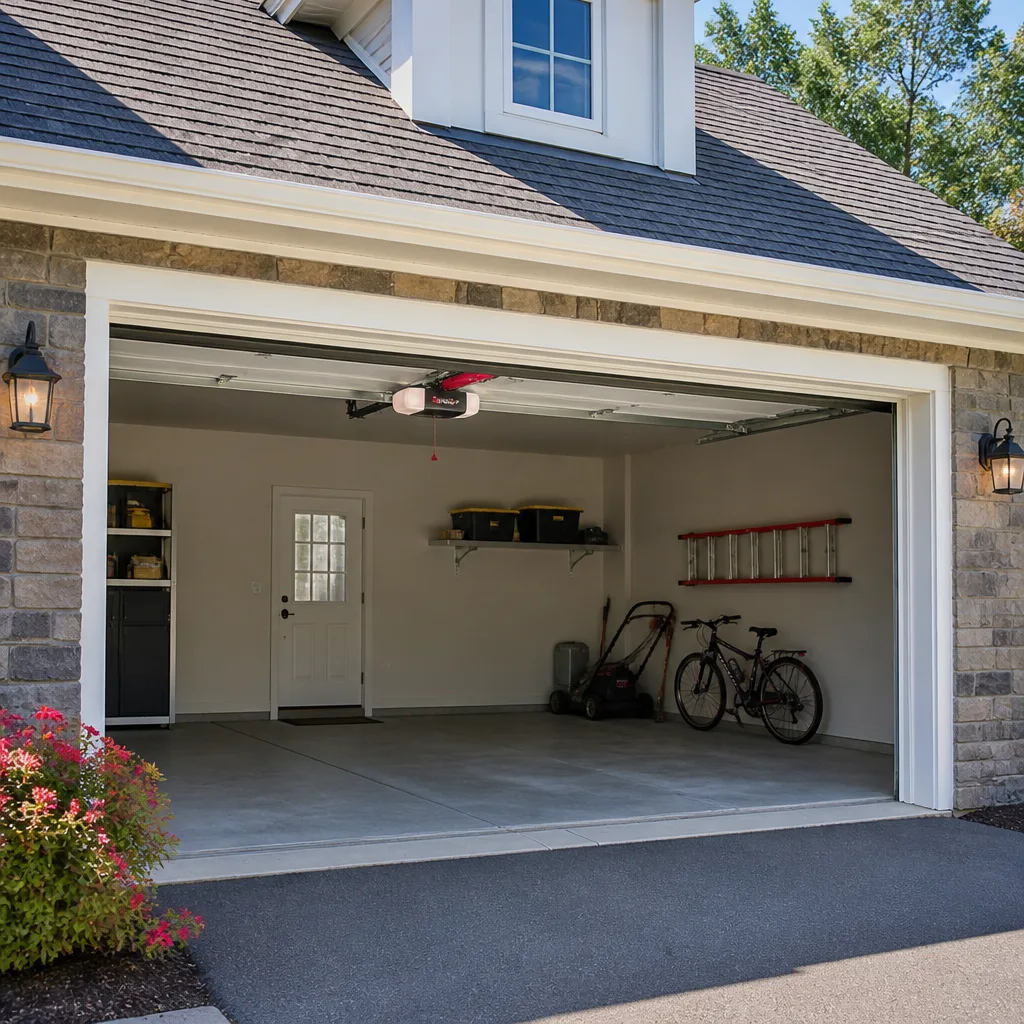 LiftMaster openers
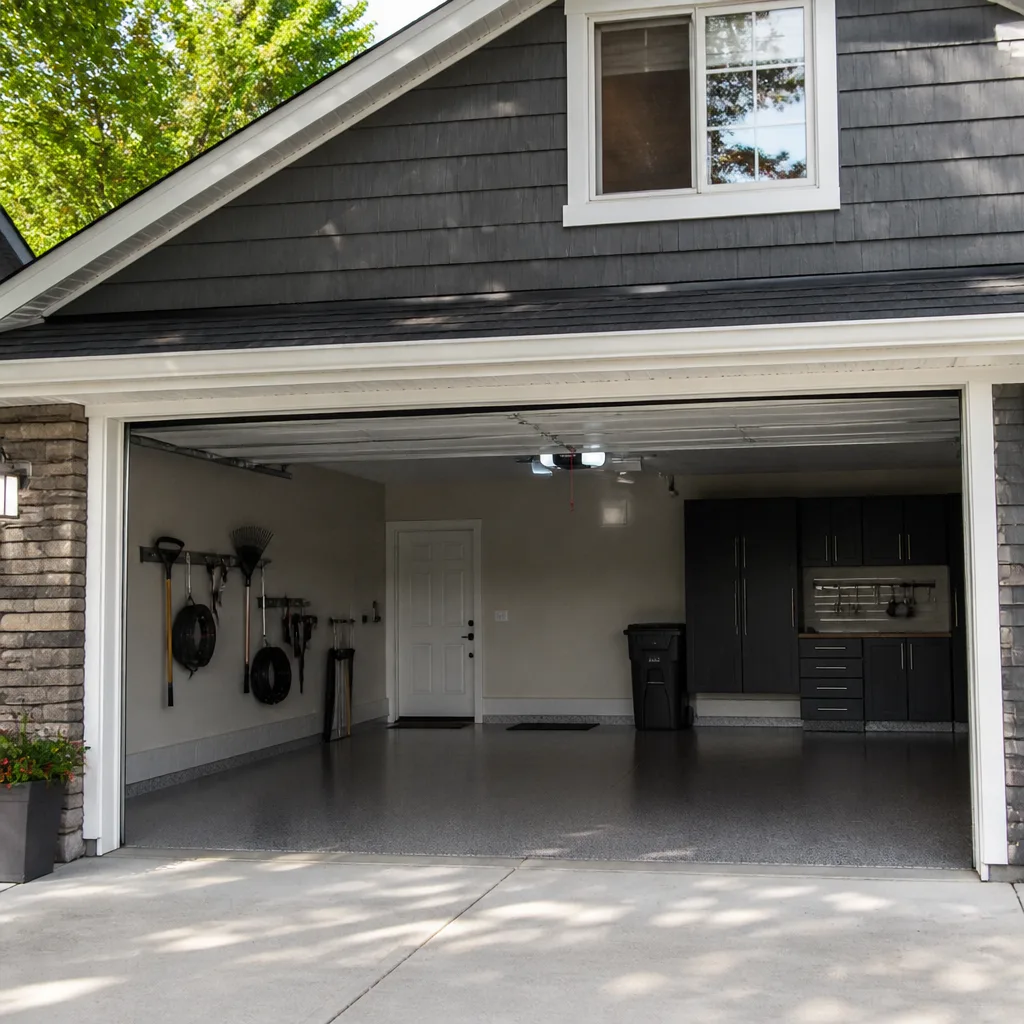 Chamberlain openers
Full 25-point door and opener safety check with every visit - springs, cables, rollers, tracks, and your LiftMaster or Chamberlain opener included
You get a price before we start. It does not change when the pro arrives.
Get your free estimateGarage Door Repair Maintenance Schedule: What to Do and When
Lubricating your garage door every six months as instructed won’t matter if you’re using the wrong lubricant, and most homeowners are. They reach for WD-40 or a silicone spray because that’s what’s in the garage, coat the springs and tracks, and quietly speed up the wear they were trying to prevent. The deeper problem is that most published maintenance schedules treat every component the same, giving a torsion spring the same calendar interval as a rubber weatherseal. Springs wear by cycles, not months. In this guide we’ll show you how to build a schedule around how each part actually fails, what South Jersey’s seasons do to a Vineland door, and what you can safely check yourself.
Quick Answer
A garage door needs monthly visual checks and balance tests you can do yourself, a full lubrication of springs, hinges and rollers two to four times a year, and a professional inspection once a year. Springs and cables should never be adjusted by a homeowner and are replaced based on cycle count, not a calendar. Weatherseal and rollers are replaced when they show wear, usually every few years depending on use.
Styles & brands we work with
- Raised-panel steel
- Carriage house
- Modern flush
- Full-view glass
- LiftMaster openers
- Chamberlain openers
Table of Contents
- Why Most Maintenance Schedules Fail
- Springs: Cycle Count, Not Months
- Rollers: Why Material Changes Everything
- Cables, Tracks and Hardware
- Weatherseal and South Jersey Seasons
- The Opener and Drive System
- The Right Lubricant for Each Part
- The Balance Test You Can Do at Home
- What a Technician Sees That You Can’t
- Common Mistakes to Avoid
- When to Call a Professional
- Frequently Asked Questions
Why Most Maintenance Schedules Fail
The maintenance advice you find online almost always reads the same: lubricate twice a year, check your springs, tighten the bolts, call a pro annually. It’s not wrong, but it’s flat. It assigns the same rhythm to parts that fail in completely different ways. A torsion spring doesn’t care what month it is. It cares how many times the door went up and down. A weatherseal, meanwhile, fails on exposure, not cycles, and one South Jersey winter does more damage to it than a thousand cycles in July.
When a schedule ignores that distinction, it does two things badly. It pushes you to service parts that aren’t worn out, and it lets you ignore parts that are about to fail. A homeowner who faithfully oils a door twice a year for a decade can still snap a spring at midnight, because oiling the spring does nothing to slow cycle fatigue. It just slows rust.
Our approach in Vineland is to treat the schedule as a set of wear clocks, each ticking at its own rate. Some parts wear by the cycle. Some wear by the season. Some wear by material choice. Once you separate those, the schedule almost writes itself.
The four wear clocks
- Cycle wear: springs and cables. They fail after a certain number of open-close cycles, regardless of how well you maintain them.
- Material wear: rollers and hinges. Nylon wears far slower than steel, and the difference is measured in years.
- Environmental wear: weatherseal, bottom seal, tracks and hardware. South Jersey humidity and freeze-thaw drive this clock.
- Mechanical wear: the opener and drive system. Gear wear, drive wear and sensor alignment head off schedule at their own pace.
Springs: Cycle Count, Not Months
A torsion spring is designed to a cycle rating, not a lifespan in years. Every time your door opens and closes, the spring twists and untwists, and that’s one cycle. A door used a handful of times a day will run through its spring far slower than a busy one, and a door in a two-car household that’s used ten times a day will wear a spring many times faster than a door on a quiet cul-de-sac. This is why no honest schedule can tell you “replace your springs every five years.” It can only tell you what to watch for.
The typical cycle rating for a residential torsion spring is in the range of 10,000 cycles. Most single-spring doors do not last anywhere near that in heavy use, which is why spring replacement is such a common job. Add a second spring and you roughly double the cycles before both are exhausted, because they share the load. That’s why a matched pair is usually replaced together: leaving one fresh and one tired spring means the weaker one takes more of the strain.
We’re not going to walk you through replacing a spring yourself. The spring is under extreme tension, and it stores enough energy to injure someone badly if it’s released the wrong way. If you suspect a spring is failing, that’s a job for a technician. Call (866) 937-7821 and we’ll take a look. This is exactly what our garage door spring repair service covers, and our technicians have up to 11 years of experience with high-tension safety protocols.
What a homeowner can do safely with springs
- Look for a visible gap between spring coils when the door is closed. A gap is normal on some doors and a sign of concern on others.
- Listen for a sharp bang from the garage, which is the classic noise of a spring breaking.
- Notice if the door feels suddenly much heavier when you lift it by hand.
- Watch for the door hanging crooked or stopping partway up, both signs of spring trouble.
What you should never do with springs
- Do not adjust the set screws or winding on a torsion spring.
- Do not spray lubricant into the coils hoping to “loosen” a stiff spring.
- Do not touch a spring that has visibly broken or is hanging loosely.
Rollers: Why Material Changes Everything
Rollers are the small wheels that ride in the track. They look interchangeable, and they’re not. Nylon rollers wear far more slowly than steel rollers and run quieter. Steel rollers can last longer under heavy loads but tend to develop flat spots and get noisy. If your door still has the original steel rollers from the factory, they’re worth replacing on general principle. The average homeowner schedules a roller replacement once every several years, but heavy use in a working garage will shrink that.
Here’s a maintenance task almost no one hears about: if your door uses rollers with a bearing, they need a few drops of a light, non-gumming oil in the bearing once or twice a year. Use the wrong lubricant and the bearing can seize, which forces the roller to skid instead of roll. That skid damages the track. The Vineland homeowner who’s never oiled a bearing is far from alone, and we’re not scolding anyone; the failure is just easy to miss until it’s a track problem.
Cables, Tracks and Hardware
A lift cable on a garage door is not something to service yourself. It’s wrapped around a drum under tension, and a cable that slips while you’re near it is dangerous. What you can do is inspect it. Look for fraying at the bottom bracket or near the drum. Run your eyes along the cable for kinks or rust spots. If you see either, stop the door from running and call us. That’s part of what a garage door repair visit covers, and it’s the kind of problem that only gets worse with each use.
Tracks and hardware: the DIY-friendly piece
Tracks are the one structural piece of the door system a homeowner can check safely. Wipe them down with a dry cloth to clear grit, and look for dents, bends or misalignment. A bent track will drag on a roller and eventually damage the assembly. Do not try to bend a track back into shape with a hammer; the alignment matters to the fraction of an inch, and a homeowner fix usually makes the problem worse.
Hinges, brackets and bolts should be checked twice a year. Vibration and temperature change loosen them. Tighten what you can reach without moving the spring. If a bolt turns easily and stays loose, it’s a sign of a larger problem; call us.
Weatherseal and South Jersey Seasons
Vineland’s climate gives a garage door system two distinct challenges every year. Late-summer humidity softens the bottom seal and the weatherstripping around the door edges, and once the seal softens it starts pulling away from the floor or tearing at the edges. Then January freeze-thaw cycles move the concrete slab under the door, and the seal that sat flush in October is suddenly gapped. A gap at the bottom of the door is the front door for cold air, humidity and mice all winter.
Bottom seals are inexpensive and one of the few garage door parts most homeowners can replace themselves. A simple rule: if you can slide a dollar bill under the closed door and pull it out without resistance, the seal is failing. That test costs nothing and takes a few seconds. Vineland winters and the salt spread on local roads will also take a toll on the metal hardware over time, though not the seal itself. Wipe down the hinges and brackets with a slightly damp cloth in the spring and check for rust.
Weatherstripping along the sides and top of the door depends on the door: Clopay, Amarr and Wayne Dalton each use slightly different profiles, so replacing it correctly means matching the profile and not just trimming a generic strip to fit. This is one of those cases where a cheap generic seal ends up costing more in draft and moisture than a correct one.
The Opener and Drive System
The opener has its own wear clocks, and they don’t align with the door’s. Chain drives stretch and get noisy. Belt drives run quieter but can develop slack over time. Screw drives wear at the screw itself. Jackshaft openers, more common on high-lift or space-restricted doors, have their own service rhythm. LiftMaster, Chamberlain, Genie and Craftsman are the brands we see most in Vineland, and each has slightly different service intervals baked into its design.
Three tasks belong on your calendar for the opener:
- Test the safety reverse once a month. Put a small box or a roll of paper towels on the floor in the door’s path and close the door. It should reverse on contact. If it doesn’t, stop using the door and call us.
- Test the photo-eye sensors once a month. Wave a hand in front of the sensor on one side of the door. The door should not close while it detects an obstruction. If it does, the sensors are misaligned or failing.
- Check the opener’s force settings once a year. If the door has started stalling, jerking or reversing for no obvious reason, the opener’s limit or force setting likely needs adjustment. Do not adjust these yourself; they need to match the door’s actual travel and weight.
If the opener is the source of the problem, that’s exactly what our garage door opener repair service is set up to handle, whether it’s a LiftMaster logic board, a Genie remote that’s stopped pairing, or a Chamberlain that runs but won’t stop at the floor.
The Right Lubricant for Each Part
Here’s where most maintenance routines go wrong. One lubricant does not fit every part. A spring needs something that stays put and doesn’t attract grit. A roller bearing needs something lighter that penetrates. A track needs virtually nothing, and definitely not a heavy grease that collects debris and glues the roller to the rail. WD-40 is the most common mistake we see. Despite the reputation, it’s a solvent more than a lubricant, and it strips the lubricant that’s already on the spring. It also attracts grit, which makes the rollers and hinges wear faster.
Matching the lubricant to the part
- Springs: a garage-door-specific spray lubricant, typically a lithium or silicone-based product, applied lightly. Never WD-40.
- Hinges and pivot points: a light lithium grease or a white lithium spray. Small amounts go a long way.
- Roller bearings: a few drops of light machine oil in each bearing, once or twice a year.
- Tracks: nothing. Wipe them clean and leave them dry, or at most a light coat of a dry-film silicone spray. Never grease.
- Opener chain: a chain lubricant or light grease on a chain-drive opener, and only at the chain itself.
- Opener belt: nothing. Belt-drive systems are self-lubricating. Never apply oil.
- Weatherseal and bottom seal: a silicone spray only, which keeps rubber from drying and cracking without attracting dust.
We’re glad to walk you through this when we come out. The wrong lubricant is a fast way to make a perfectly good door noisy, and the right one is a fast way to keep it quiet for years.
The Balance Test You Can Do at Home
The balance test is the single most useful thing a homeowner can do, and almost no one does it. It catches spring wear and weight-balance problems before they turn into a snapped spring or a burned-out opener motor, and it takes about two minutes.
- Disconnect the opener. On most openers, pull the release cord, the red one that hangs from the rail, to disconnect the trolley from the door.
- Lift the door by hand about halfway. The door should feel light, not heavy. A properly balanced door on a healthy spring is easy to lift.
- Let go at the halfway point. A balanced door should stay put at half-open. If it falls, the springs are weak. If it rises, they’re carrying too much weight.
- Lower it fully by hand. Check the door settles evenly and sits flat against the floor.
- Reconnect the opener and run the door once to confirm normal travel.
If the door falls or rises on step three, call us rather than adjusting the springs. That symptom means the balance is off, and only a trained technician should adjust it.
What a Technician Sees That You Can’t
An annual professional inspection catches things a homeowner physically cannot see without taking the door apart. A few examples:
- Cable wear near the drum. The business end of the cable is hidden by the drum and the bracket, and the most dangerous fraying happens exactly where you can’t look.
- Roller bearing condition. A worn bearing can look fine through the track but sound different rolling in your hand.
- Track alignment measured against the door. Homeowners can see a dented track but can’t measure a quarter-inch drift.
- Opener gear and drive wear. The gears are inside the housing; the failure is invisible until the opener won’t move.
- Spring cycle fatigue. A trained eye can often read a spring’s condition from the coil, set and wear pattern before it breaks.
During a Vineland inspection, we typically check spring condition and balance, cable wear, roller and hinge condition, track alignment, weatherseal gaps, and the full opener system. We check the brand of door and opener (LiftMaster, Chamberlain, Genie, Clopay, Amarr, Wayne Dalton, Craftsman, Raynor are the ones we see most) and note anything that would need replacement with a specific part. An inspection is free with most service calls and a smart way to prepare before an emergency hits at the worst possible moment.
Common Mistakes to Avoid
- Spraying WD-40 on the springs to “fix” a noise. It’s a solvent, not a lubricant, and it strips away what’s actually protecting the spring. Use a garage-door-specific spray instead.
- Greasing the tracks. Tracks are meant to be dry. Grease collects grit and turns the rail into a grinding surface that wears the rollers faster.
- Treating a scheduled lubrication as “spring maintenance.” Oiling a spring doesn’t slow cycle wear. It only slows rust. Springs fail by cycle count and need replacement, not a fresh coat of oil.
- Replacing only one spring of a pair. A matched pair is balanced to share the load. Replacing one and leaving the other means the fresh one takes more strain.
- Adjusting the opener’s force settings to stop a jerk. If the door is jerking, the problem is almost always the door and its springs, not the opener. Raising the force setting masks the symptom and burns out the motor.
- Ignoring a soft bottom seal through a Vineland summer. Late-summer humidity softens the rubber, and by January freeze-thaw the gap is obvious. Replace the seal before the cold arrives, not after.
- Letting a door hang crooked “just until it’s convenient.” A crooked door means the balance is off, and running it worsens the track and the rollers every time.
When to Call a Professional
Call a professional when you see any of these: a spring has visibly broken or a loud bang came from the garage; the door falls or rises on the balance test; the door hangs crooked, jerks or stops partway through travel; the opener runs but the door doesn’t move; a cable looks frayed or slack; the safety reverse fails a test; the door is off its track or jammed. Any of those is a same-moment call, not a wait-and-see. Our Vineland Garage Door Repair Pros offers free estimates in Vineland, and our technicians can diagnose across all major door and opener brands without guesswork. Call (866) 937-7821 for a free estimate, and know the price is quoted and agreed before any work starts. If it’s a genuine emergency and the door won’t move or the house is unsecured, we move fast. Visit our Vineland Garage Door Repair Pros page to see what we cover end to end.
Safety reminder: springs and cables are under extreme tension. Don’t attempt a repair that involves either.
Frequently Asked Questions
A garage door should get a professional inspection once a year, with homeowner checks (balance test, lubricant, safety reverse) monthly or quarterly. In a high-use household, the quarterly lube and a fresh look at the bottom seal before winter pays off. If you’ve just bought a home or moved into a new-to-you house, get an inspection before you rely on the door. Call (866) 937-7821 to schedule one – estimates are free.
No. WD-40 is a solvent and water displacer more than a lubricant, and on a spring it strips away the coating that keeps rust down. It also attracts grit. Use a garage-door-specific lubricant instead, and never put WD-40 on the tracks. If you’re not sure what goes where, our technicians can walk you through it during a service visit.
If the balance test finds the door falls or rises at the halfway point, the springs need attention. Other signs include a loud boom, a door suddenly much harder to lift by hand, or visible gaps or breakage. Age alone is not a reliable signal. Springs fail on cycle count, not years, and only a trained eye can read fatigue reliably. For a proper diagnosis, call (866) 937-7821.
Yes. Torsion springs store a great deal of energy when they’re wound, and releasing that energy the wrong way is how serious injuries happen. This is not a DIY repair, even with a tutorial video. Our Vineland technicians handle spring work as a dedicated service. Call us at (866) 937-7821 and let a trained technician take the risk out of the job.
Test the safety reverse and the photo-eye sensors monthly, and have the opener inspected once a year alongside the door. Chain drives need occasional chain lubricant; belt drives need nothing. The force and limit settings should not be adjusted by a homeowner. If your opener is a LiftMaster, Chamberlain, Genie, Craftsman or another major brand, we’re set up to service it. Call (866) 937-7821 for a free estimate.
Before winter. Vineland’s late-summer humidity softens the rubber, and January freeze-thaw opens the gap that was already forming. Replace the seal in the fall, once the humid stretch is over and before the cold sets in. It’s an inexpensive part and cuts drafts, moisture and mice all at once. If you’re not sure it’s the right profile for your door, call (866) 937-7821.
The Bottom Line
A real garage door maintenance schedule is built around how parts wear, not how nice they’d look on a calendar. Springs wear by cycle count and need a professional. Rollers wear by material and need replacing when they’ve gone flat or noisy. Cables are always a technician’s job. The bottom seal in Vineland wants attention before winter, and the tracks want nothing but a clean, dry wipe. Lubricate the right parts with the right product, run the balance test, and have the whole system inspected once a year. That’s the schedule that actually prevents the repairs the generic schedules promise to prevent.
Call (866) 937-7821 for a free estimate and a written price before any work starts. If the door won’t move and you need someone now, we offer emergency service across Vineland and the surrounding parts of Cumberland County.
Written by the team at Vineland Garage Door Repair Pros.
See the difference
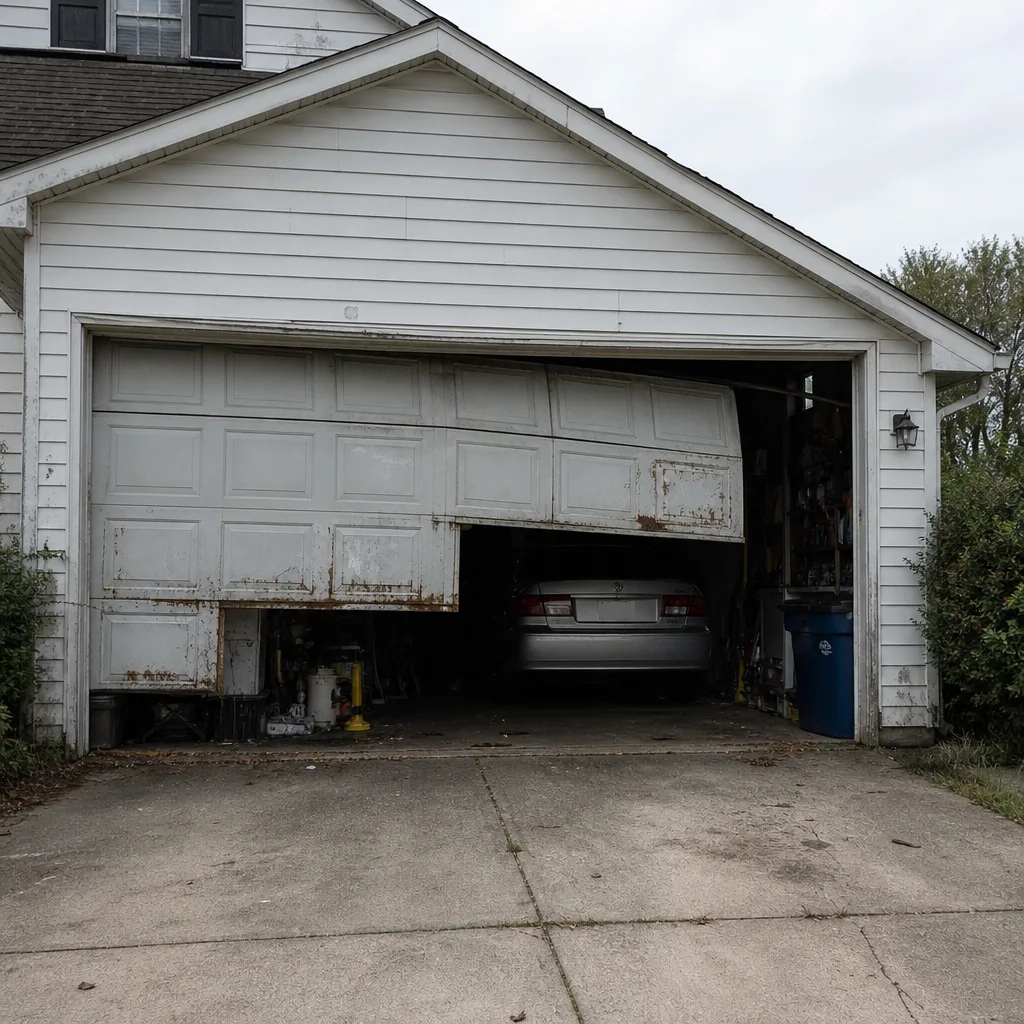 Before
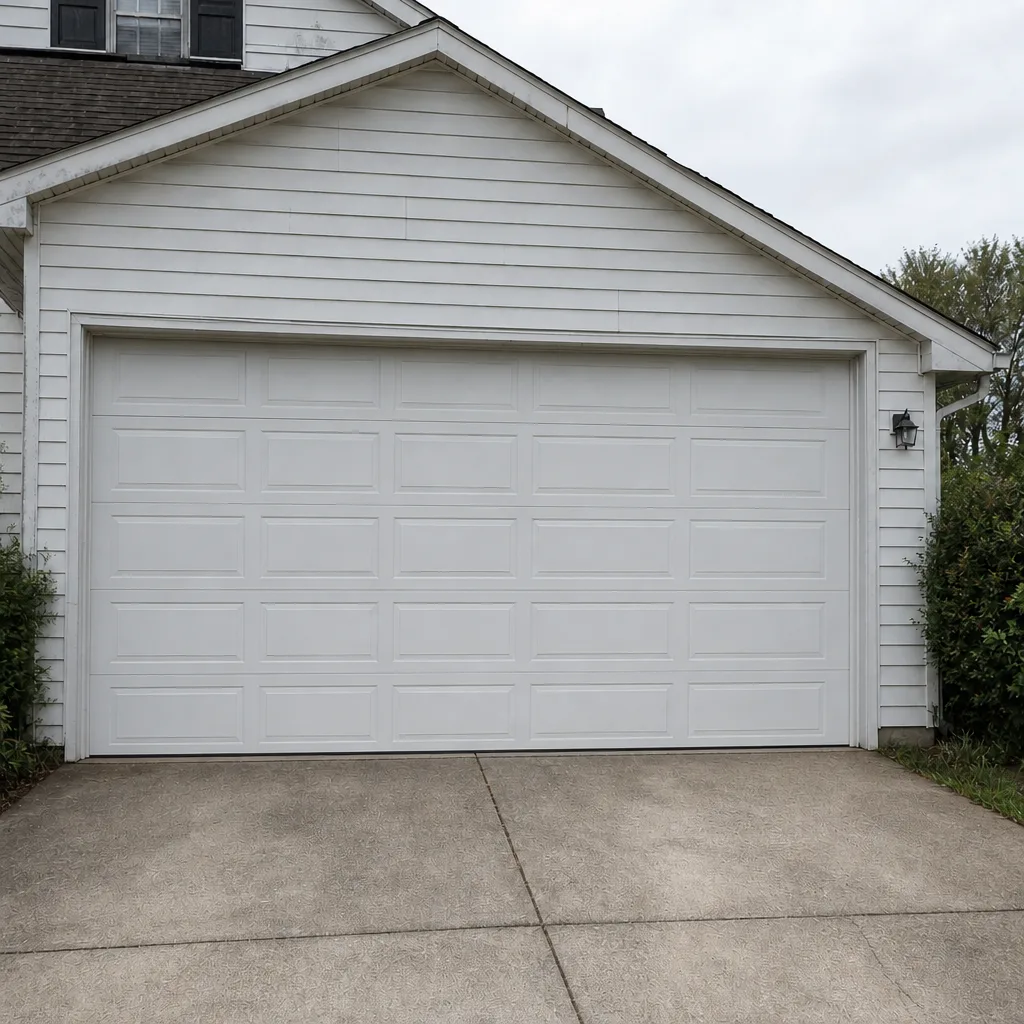 After
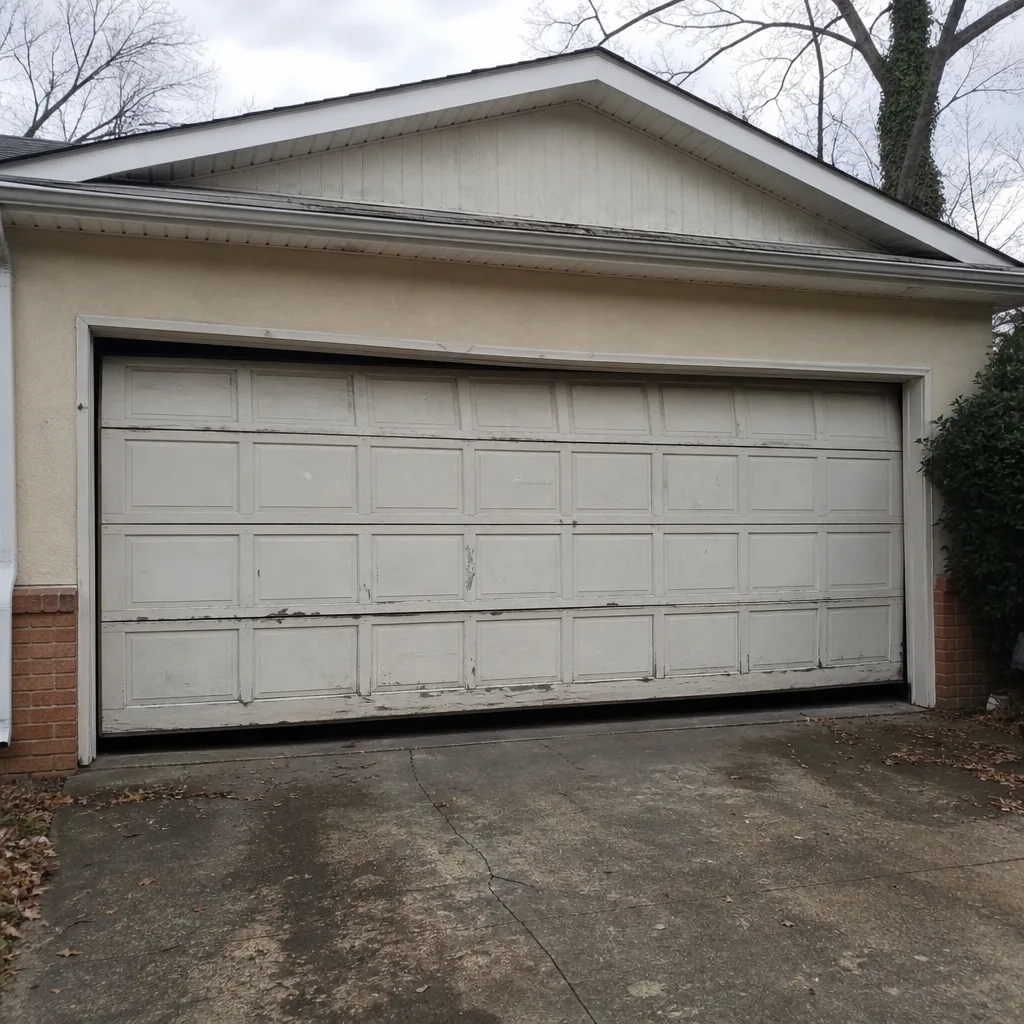 Before
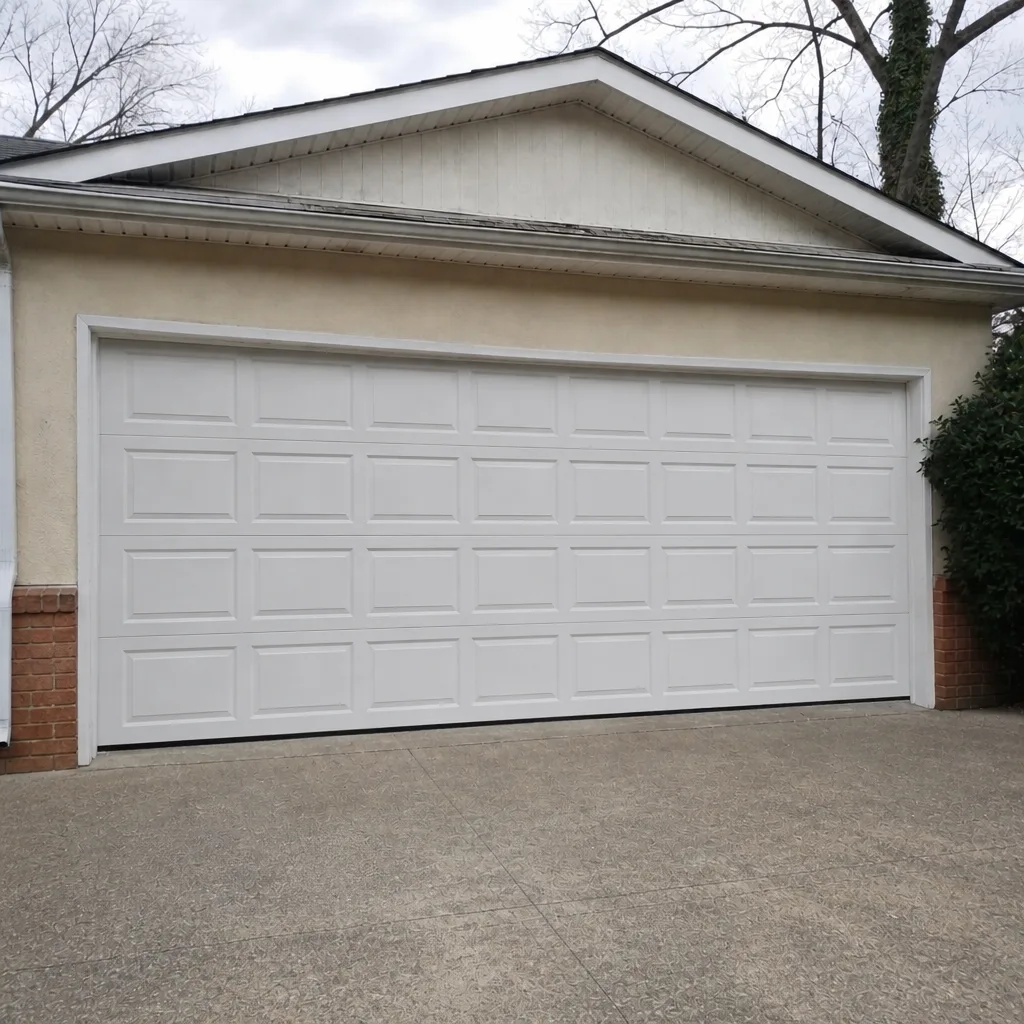 After
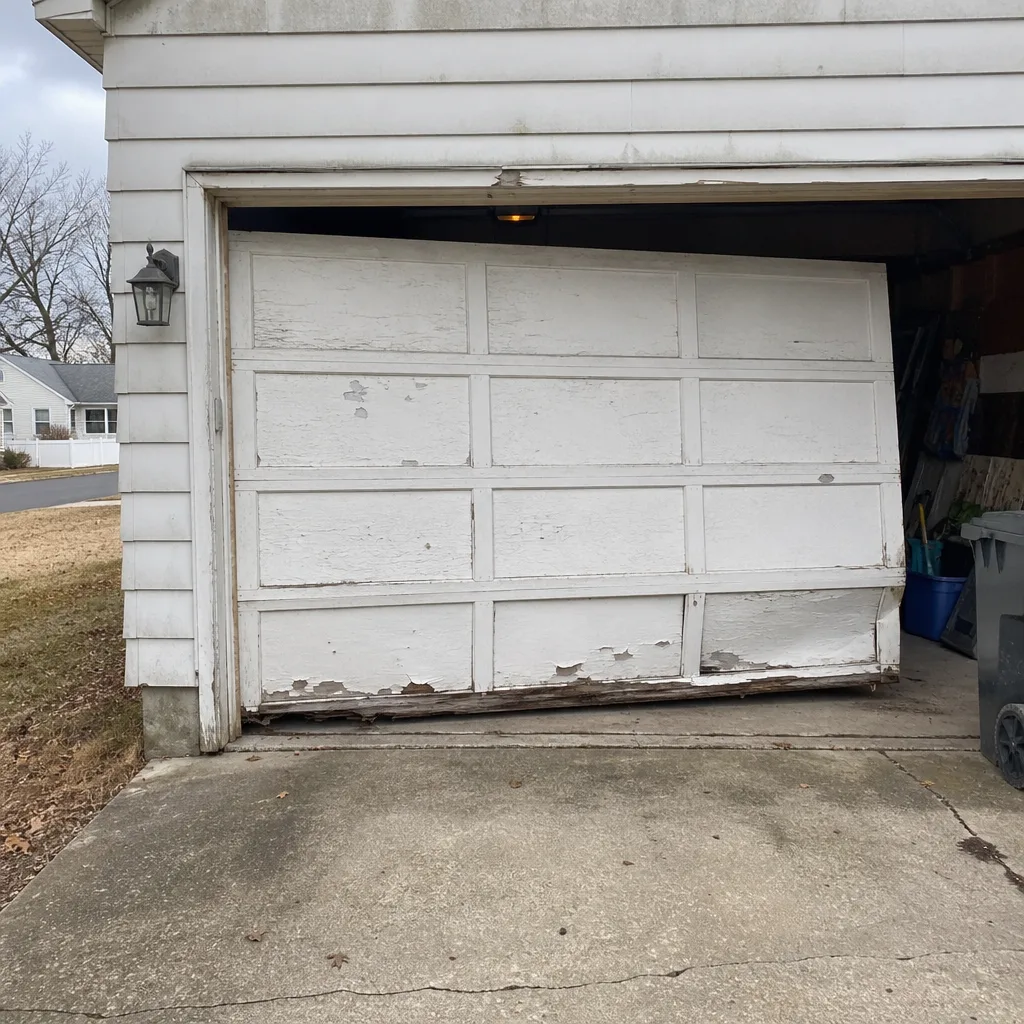 Before
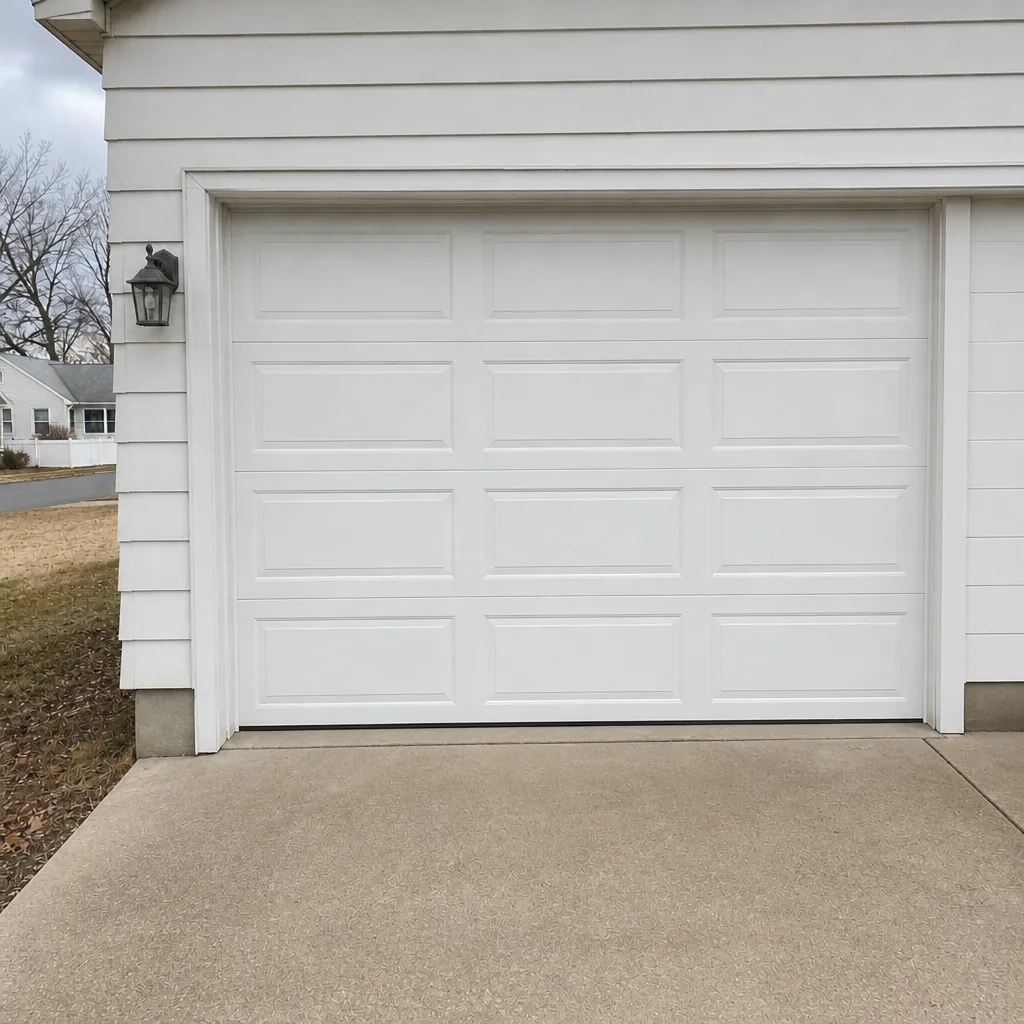 After