Last updated November 23, 2026
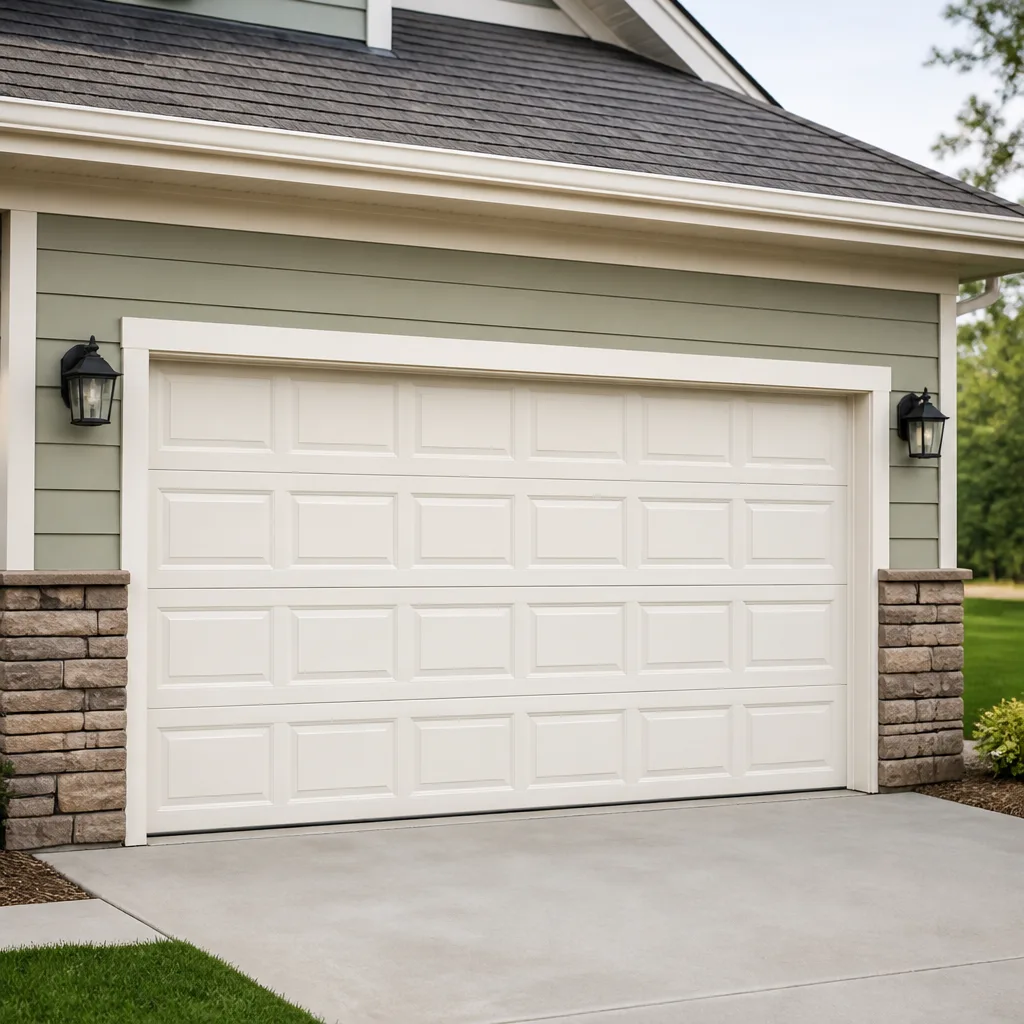 Raised-panel steel
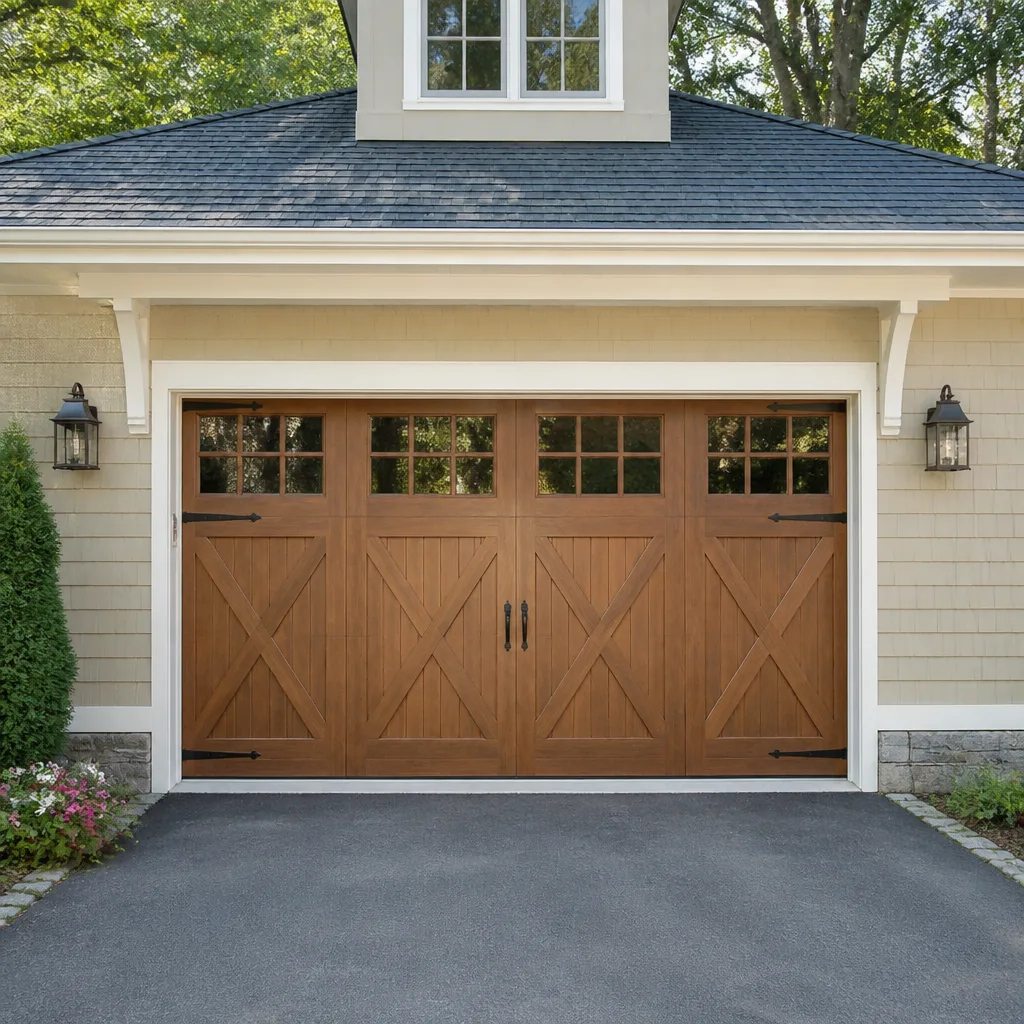 Carriage house
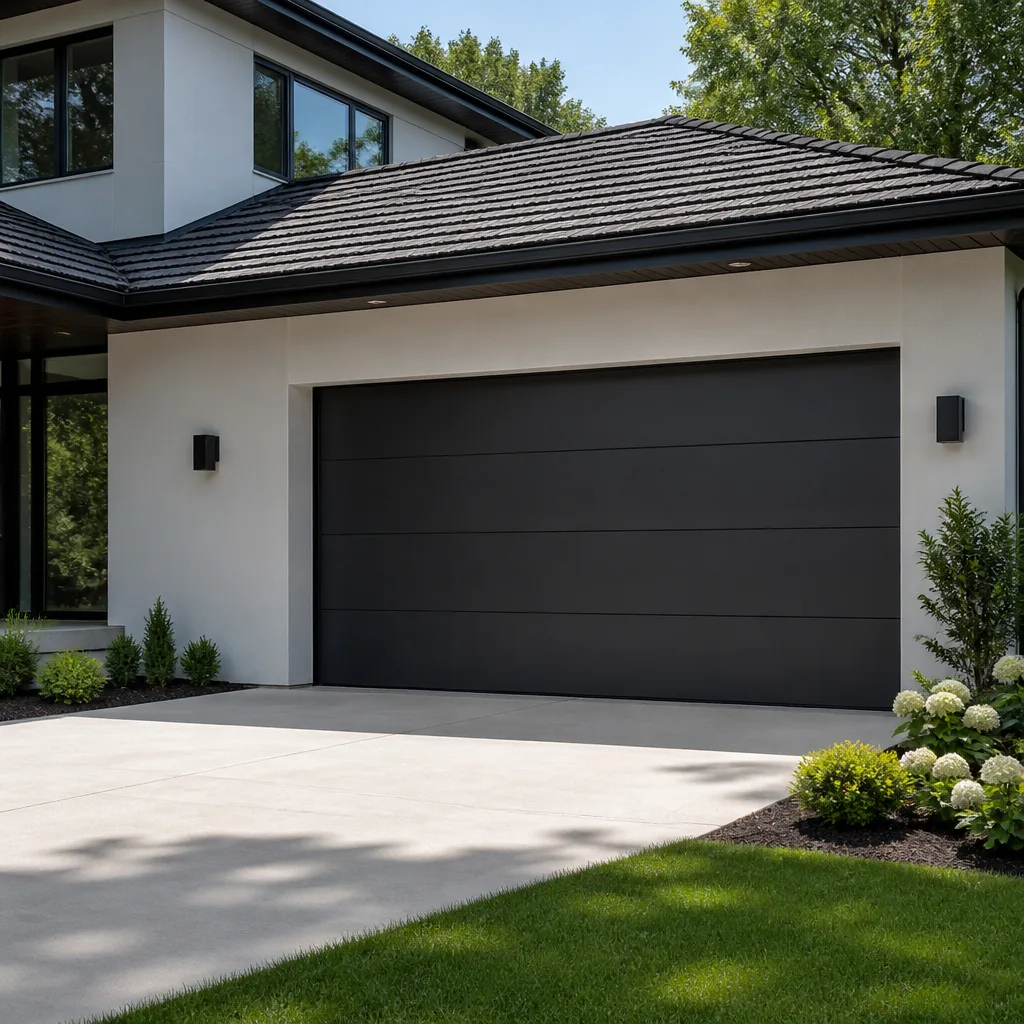 Modern flush
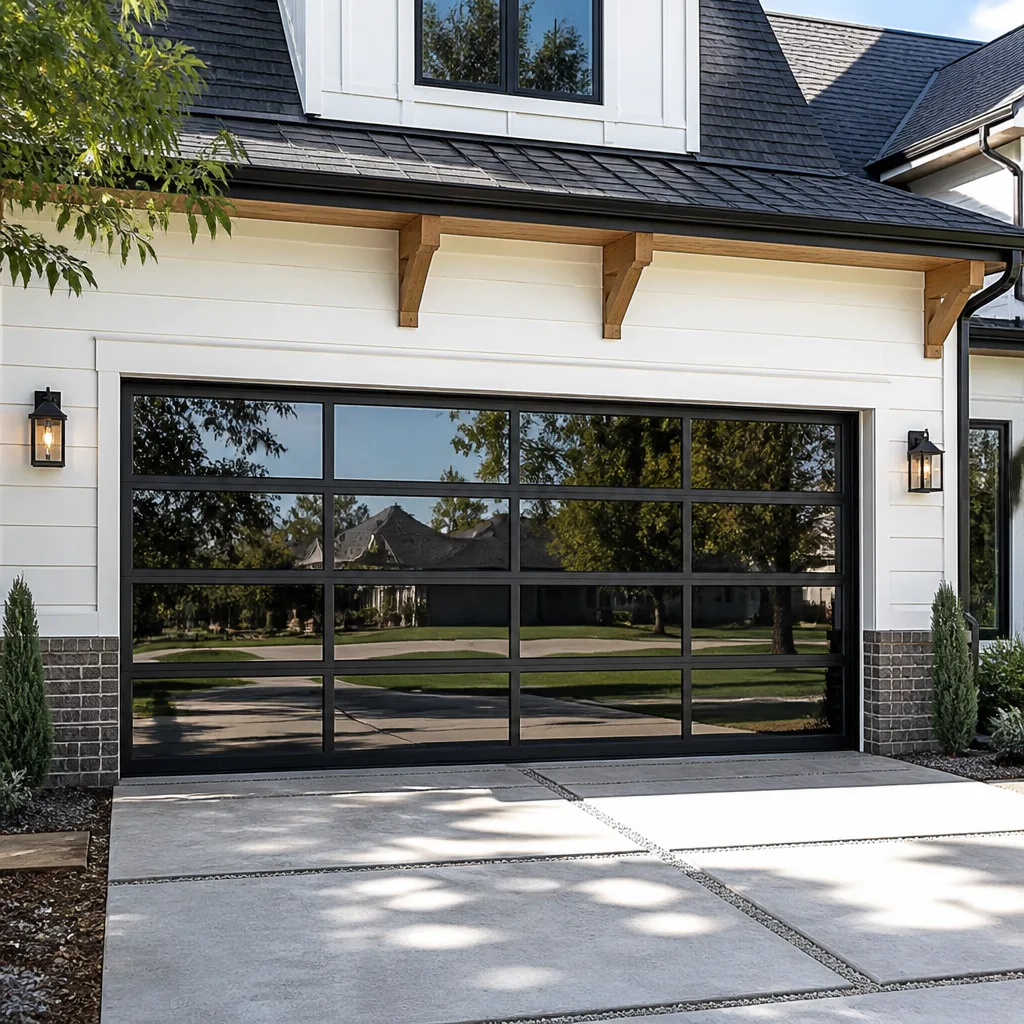 Full-view glass
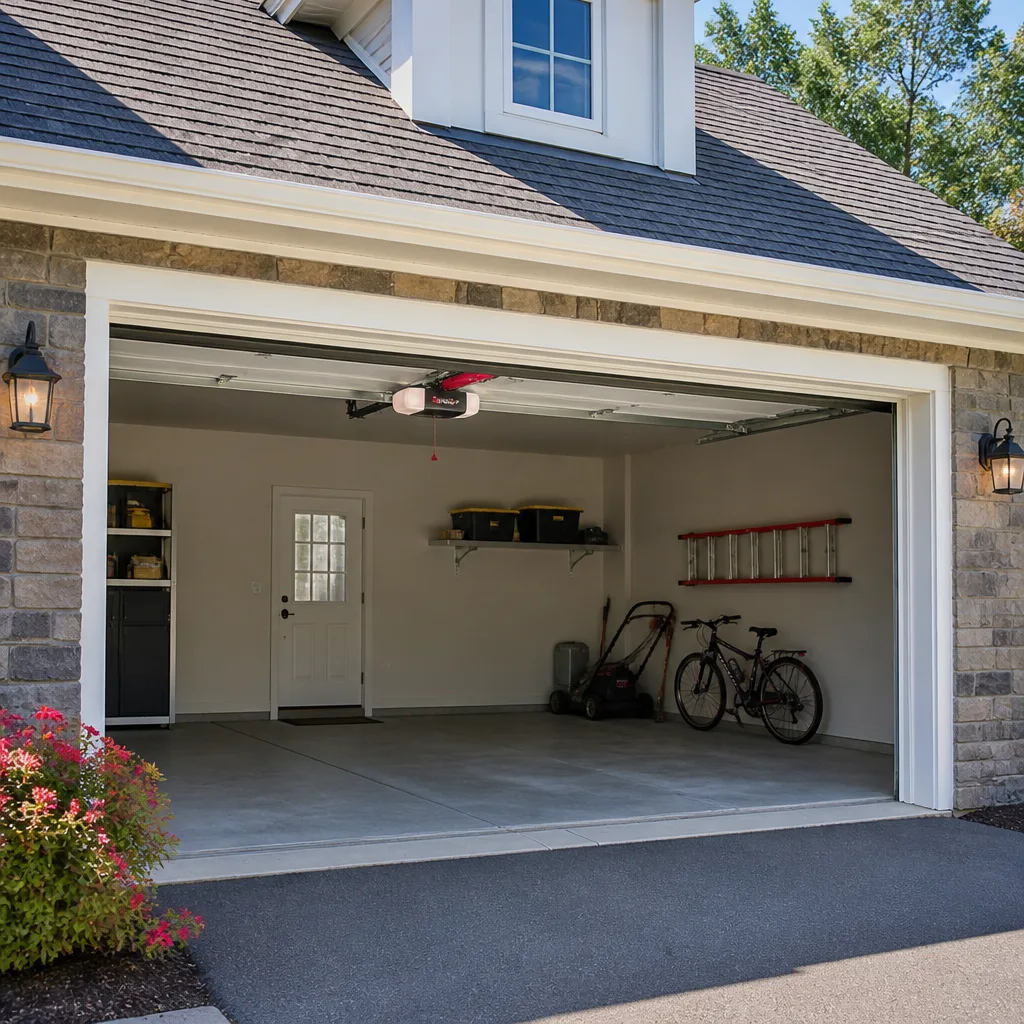 LiftMaster openers
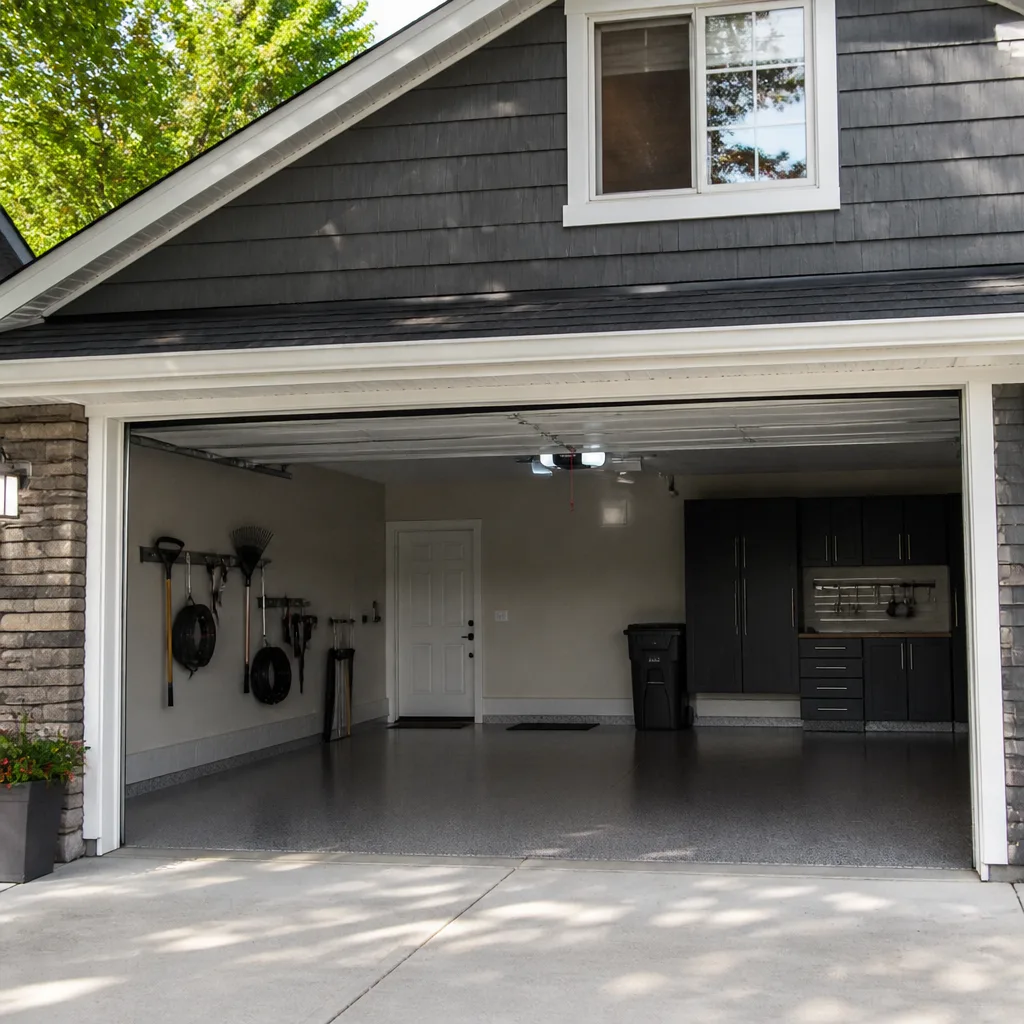 Chamberlain openers
Full 25-point door and opener safety check with every visit - springs, cables, rollers, tracks, and your LiftMaster or Chamberlain opener included
You get a price before we start. It does not change when the pro arrives.
Get your free estimateGarage Door Warning Signs: A Vineland Homeowner’s Reference Guide
A garage door that hesitates for two seconds before closing isn’t “being slow.” It’s usually the opener’s force sensor telling you something in the mechanical system has changed, and ignoring it is how a small cable fix turns into a much larger panel replacement. Most doors don’t fail without warning. They fail after weeks of warnings nobody recognized. The gap isn’t the warning – it’s the diagnosis. This guide treats every groan, shudder, and uneven gap as a symptom tied to a specific part, so you can tell what’s urgent from what can wait. We’ll cover sounds, visual cues on springs and cables, the difference between consistent and intermittent problems, and the signs that your opener is masking a mechanical fault. If you’re in Vineland and your door is talking, this is how to listen.
Quick Answer
The most serious garage door warning signs are a visibly broken spring, a frayed or hanging cable, a door that reverses before closing, and any door that occasionally fails to move. These point to high-tension parts under extreme load and should be evaluated by a trained technician before the door is used again. Slower travel, minor squealing, and small gaps are usually monitor-soon items, but they still deserve a look.
Styles & brands we work with
- Raised-panel steel
- Carriage house
- Modern flush
- Full-view glass
- LiftMaster openers
- Chamberlain openers
Table of Contents
- What Do the Sounds Tell You? A Symptom-to-Cause Map
- Visual Warning Signs You Can Spot Safely From the Ground
- Urgent vs. Monitor-Soon: Sorting the Severity
- Why Intermittent Problems Are Often the Most Dangerous
- When the Opener Is Compensating for a Mechanical Problem
- How Vineland Weather Shapes Door Wear
- A Five-Step Monthly Check You Can Do Yourself
- Repair or Replace? Reading the Signs
What Do the Sounds Tell You? A Symptom-to-Cause Map
Sound is the earliest diagnostic clue a garage door gives you. A door that runs quietly one month and grinds the next is telling you a part has shifted, worn, or begun to fail. Here’s how we read the common ones.
- Grinding: Usually metal-on-metal contact. Often a worn roller bearing, a bent track, or a torsion tube that has shifted. Grinding tends to get louder over time, and left alone it can damage the panels the rollers ride in.
- Squealing: Frequently a dry or failing roller, a worn hinge knuckle, or a torsion spring that has lost tension. It’s the most forgiving sound on this list, but it escalates if ignored.
- Rattling: Loose hardware – hinges, brackets, or a track bolt that worked itself out. Usually low severity, but rattle on a door that also travels unevenly is a different story.
- Shuddering: A jerky, uneven motion more than a sound. This points to a spring reaching the end of its cycle life, a bent torsion tube, or a track out of alignment. Shuddering is a monitor-close signal, not a monitor-soon one.
- Reversing before closing: The opener’s safety system is cutting the cycle short. Cause could be an obstruction, a misaligned safety sensor, or mechanical resistance the opener’s force setting is detecting. This one needs diagnosis.
In our experience, the sound you can barely hear from inside the house is the one worth checking. Doors in Vineland run through every temperature swing from summer heat to winter freeze, and parts expand and contract with the seasons. A new noise after a cold snap is usually a worn bushing announcing itself.
Visual Warning Signs You Can Spot Safely From the Ground
You don’t need to touch anything to spot the most important warning signs. Stand back, look up from floor level, and never reach into the moving parts of a door. Springs and cables are under extreme tension, and this is not a DIY inspection.
Here’s what to look for on a door that’s closed and at rest:
- Springs: Look at the torsion spring above the door or the extension springs along the sides. A visible gap in the coil, a spring that hangs loose or looks stretched differently than its partner, or a clear break means the door should stay down until a technician sees it.
- Cables: Check the steel cables running down each side. Fraying, a birdcage kink, or a cable that’s slack on one side is urgent. A snapped cable means the door is held by one side only.
- Rollers: Worn rollers look flat-spotted or cracked and often sit at a slight angle in the track. They don’t fail dramatically, but bad rollers wear the track and door hinges.
- Hinges and brackets: Rust streaks, cracks at the mounting point, or hinges that look bent suggest stress. This is the kind of thing you can note from a distance and describe to a technician.
- Track alignment: Stand directly in front of a closed door and look at the gaps along both sides. A track that bows, dents, or sits off-center usually means something hit it – or the door did.
- Panel gaps and sag: Uneven gaps between panels, or a top panel that has dropped slightly, point to panels that are separating from the sections.
- Rust and moisture: Vineland sits inland in South Jersey, so our doors deal with humid summers and freeze-thaw winters rather than salt air. Rust on hinges and springs is a normal wear marker – not an emergency, but a sign parts are aging.
Urgent vs. Monitor-Soon: Sorting the Severity
Not every warning sign means an emergency call. The trick is sorting the symptoms into two buckets.
Urgent (stop using the door)
- A visibly broken torsion or extension spring.
- A frayed, kinked, or snapped cable.
- A door that reverses before closing every time.
- A door that’s hanging off its track or tilted at an angle.
- Panels that have pulled away from the hinges and bow in the middle.
- An opener that clicks or hums but doesn’t move the door – the door may be jammed under tension.
Our garage door spring repair service exists specifically because springs are the most commonly failed part, and the most dangerous to touch. When one side of a two-spring system breaks, the remaining spring carries uneven load and the whole torsion tube can shift.
Monitor-soon (watch and plan a call)
- Slower travel than usual, especially in cold weather.
- Intermittent squeal on one segment of the track.
- A small gap between the bottom of the door and the floor.
- Slight uneven appearance of the door from side to side.
- Occasional rattles you can’t reproduce on demand.
These are worth checking, but they’re not lock-the-door emergencies. Write down what you saw and when – a technician who knows the pattern can usually pin down the issue in minutes.
Why Intermittent Problems Are Often the Most Dangerous
A door that works fine nine times out of ten but occasionally fails is more dangerous than one that fails every time. The pattern is a stress-fracture signature. A spring with a hairline crack, a cable with a single frayed strand, or a roller about to fail can slip past its failure point on most cycles and catch on the next one. Consistency means the failing part has fully failed – you know what you’re dealing with. Intermittency means something is about to fail, and the door is running on borrowed cycles.
- Occasional reverse on one out of fifty cycles: Typically a safety sensor issue, but can also indicate the opener is detecting resistance that comes and goes.
- Door stops partway and then works: Often a momentary sensor obstruction or a relay on the opener board starting to go. If it recurs, the problem is real.
- Noise only in cold weather: Cold stiffens grease and shrinks metal. A part that’s fine in summer can squeal in January. Something is worn enough to show up under temperature stress.
- A door that sticks and then jolts free: This is the one we see cause the most expensive damage – the jolt transfers load into a track, hinge, or panel.
Every intermittently failing door is one cycle away from a bigger failure. The fix is usually cheap. The follow-up damage isn’t.
When the Opener Is Compensating for a Mechanical Problem
The opener is the smartest part of the system, and that’s a problem. Its force sensor and safety features let it push through resistance that a manual door wouldn’t tolerate, which means a failing spring or dragging track can go undetected while the opener quietly works harder to compensate.
Signs your opener is carrying a mechanical problem it shouldn’t have to:
- The door moves slower than it used to – the opener is doing work the spring should do.
- The motor sounds labored or warm to the touch after normal use.
- The opener “chatters” or shudders instead of running smoothly.
- You’ve adjusted the force setting more than once to keep the door moving.
- The safety reverse trips on warm days or in direct sun. That’s the sensor system reacting to physical change, not a bad sensor.
Replacing the opener without fixing the root cause wastes money. Somebody installs a new LiftMaster or Craftsman and three months later the door is dragging again because the spring, track, or cable was never addressed. Talk to our team about garage door opener repair and we’ll diagnose whether the opener itself is the problem or the door is.
How Vineland Weather Shapes Door Wear
Vineland doesn’t have a coastal climate, so door wear here is less about salt and more about swing: hot, humid summers that expand metal and loosen hardware, and cold winters that stiffen grease and shrink the moving parts. That back-and-forth stresses the torsion spring on every cycle. A spring that would run for a very long time in a steady climate still wears faster here because it’s under load every time the door goes up and down.
- Summer: Watch for squealing that starts as temperatures rise. Heat dries out lubricant on rollers and hinges very fast.
- Autumn: Cracks in the door panels can widen as moisture gets in and freezes overnight.
- Winter: Frozen thresholds, stiff hardware, and the increased load all make a spring’s final failure more likely on a cold morning.
- Spring thaw: Ground movement can shift a track alignment without any obvious trigger.
None of this is exotic. It’s just the local pattern. Adjusting your monitoring habits to the seasons is a simple way to catch a failing part before it fails outright.
A Five-Step Monthly Check You Can Do Yourself
You don’t need tools for this. You need eyes and ears, and a habit of doing it once a month. Do not reach into the moving parts of a door, and do not try to adjust a spring or cable yourself.
- Listen to the door. Stand to the side, open it fully with the wall button, and listen. You’re listening for any new sound: grind, squeal, rattle, or hum that lasts longer than usual.
- Watch the travel. The door should move smoothly and stay level side to side. Any jerk, hesitation, or bounce means something mechanical is off.
- Test the safety reverse. Place a small object on the ground within the closing zone and confirm the door reverses off it. If it doesn’t reverse, stop using the door.
- Look at springs and cables from ground level. A visible gap, kink, fray, or slack on one side is your ground-level signal to call.
- Check the bottom seal and panel gaps. Small gaps are a monitor-soon item. Large gaps or a door that sags noticeably on one side are more urgent.
Write down what you see and when. For our technicians, having the symptom’s timeframe cuts the diagnostic time down and often means we arrive with the right part already on hand.
Repair or Replace? Reading the Signs
One of the most common questions we get is whether a specific symptom justifies repair or replacement. The honest answer depends on which part is going. Springs, rollers, hinges, and cables wear out – those are repairs. Panels that have bowed, tracks that have been hit hard, and an opener that’s failed its control board are more of a decision point. We work across the major brands, including Wayne Dalton, LiftMaster, and Raynor, so we can repair the existing equipment instead of pushing a full replacement when repair is the right answer.
The deciding factors are usually these:
- How many symptom types overlap on the same door.
- Whether the failure is isolated (one roller) or systemic (multiple worn rollers, uneven track, sagging panels).
- Whether the opener is doing the work a spring should be doing, which means the whole system is stressed.
- Whether the door is heavily used (multiple times a day) or a secondary door on a property that sees lighter use.
We’re a garage-door-only company, so we see enough of the same failure patterns to give you a straight answer. One call covers the door, the opener, the springs, and the installation, and our garage door repair service handles everything from a single hinge to full-system diagnosis. Our technicians have up to 11 years of experience in garage-door work specifically.
Common Mistakes to Avoid
- Spraying lubricant on the springs and hoping it fixes the squeal. Lubricant on a failing spring can mask the noise without addressing the tension issue. It’s not a diagnosis, and it can give you a false sense of safety.
- Adjusting the opener’s force setting to stop a reverse. Force settings exist for a reason. Raising them to push a struggling door through resistance removes the safety margin the door needs.
- Replacing the opener when the door is dragging. A new opener on a worn spring, a bent track, or bad rollers is money thrown at the wrong end of the system.
- Ignoring an intermittent problem because the door works today. The failure is not today’s problem – it’s on a future cycle, and it usually costs more when it happens.
- Reaching into a track or spring assembly to “see if it moves.” Springs and cables are under extreme tension. This is the mistake with real physical consequences – this is not a DIY repair, and it never should be treated as one.
- Assuming a well-known brand means no maintenance is needed. LiftMaster, Chamberlain, and Genie openers are reliable, but no opener compensates for a spring on its last few cycles.
- Letting a small panel crack go for a winter in Vineland. Moisture enters the crack, freezes overnight, and widens it. A small panel repair can become a panel replacement.
See the difference
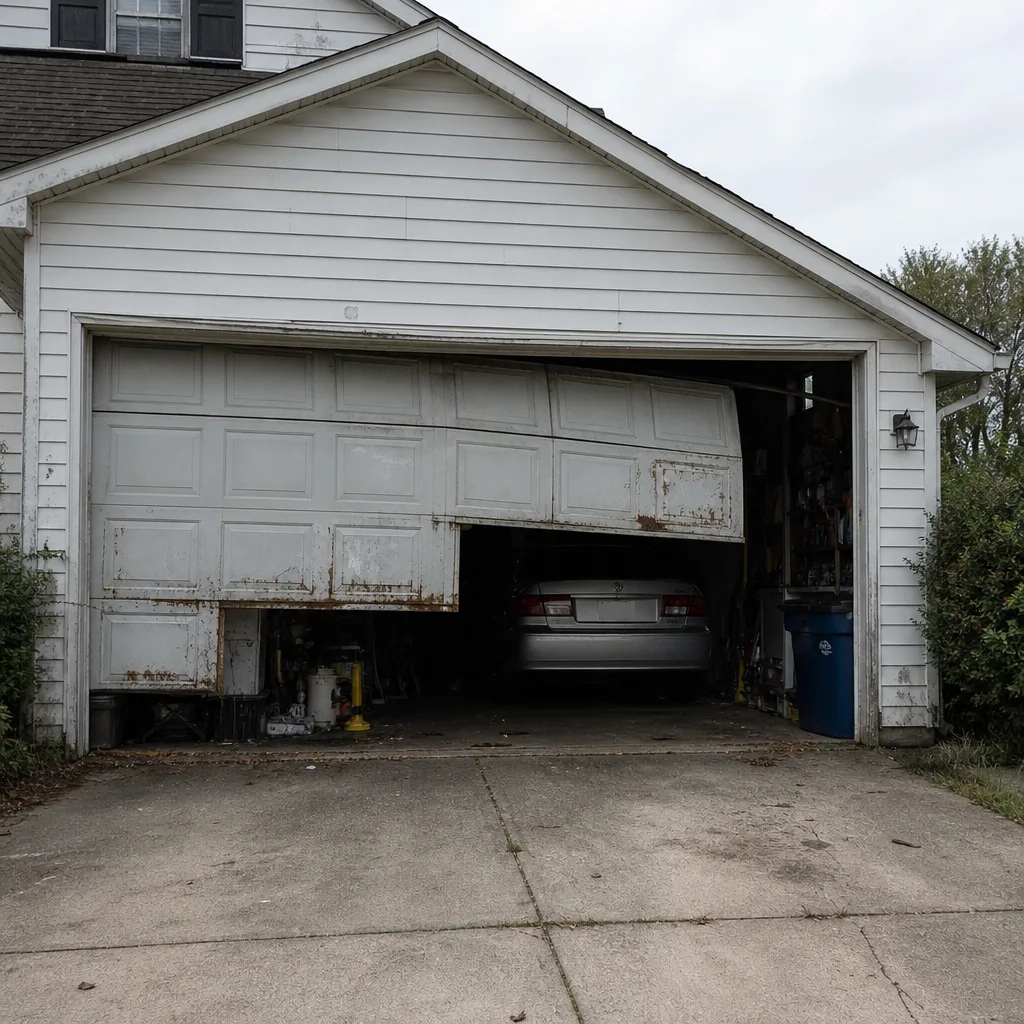 Before
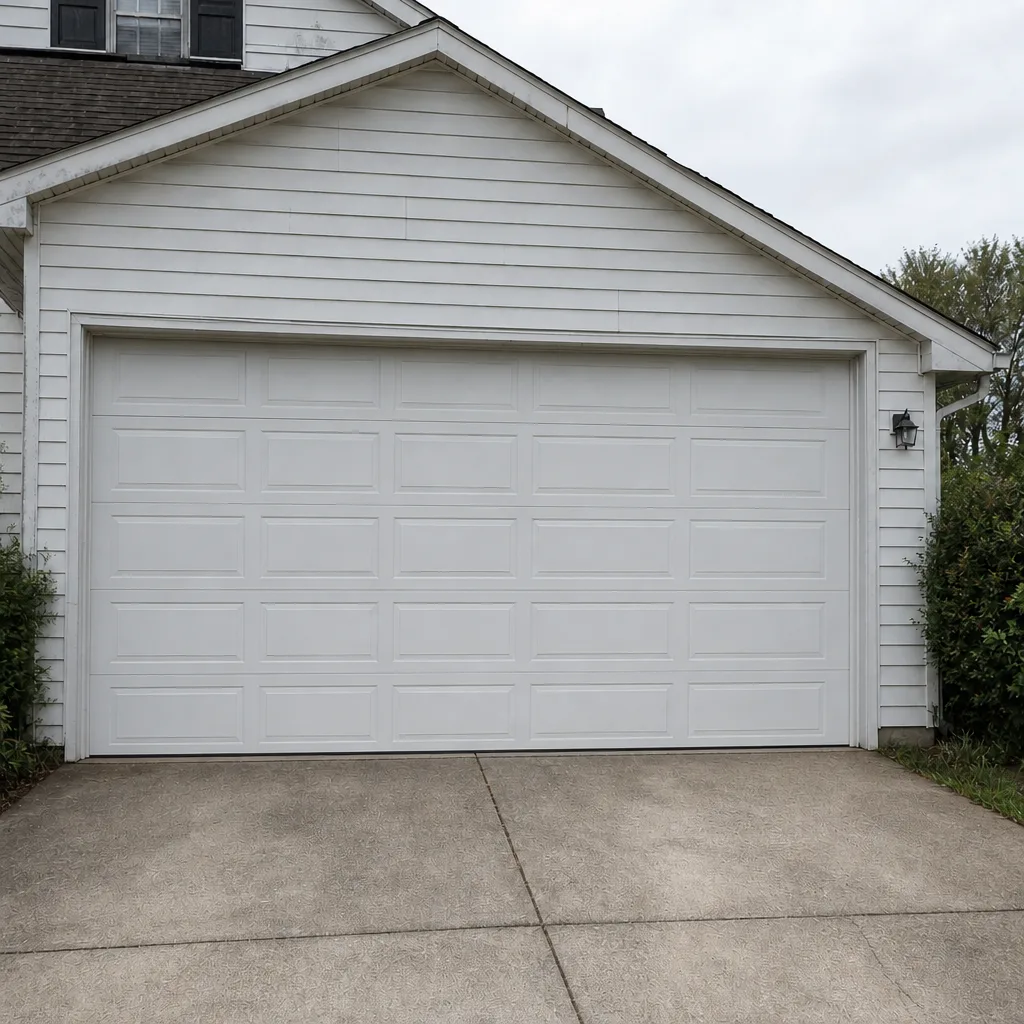 After
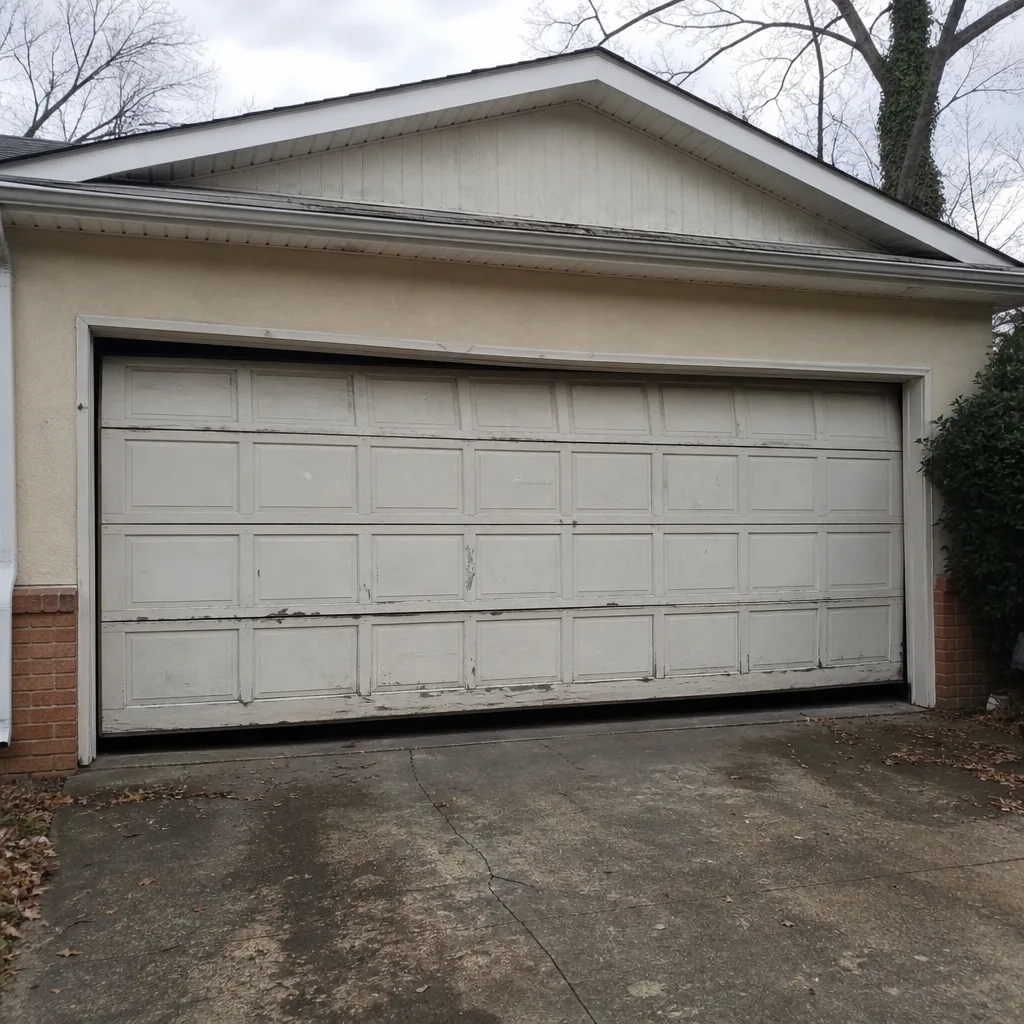 Before
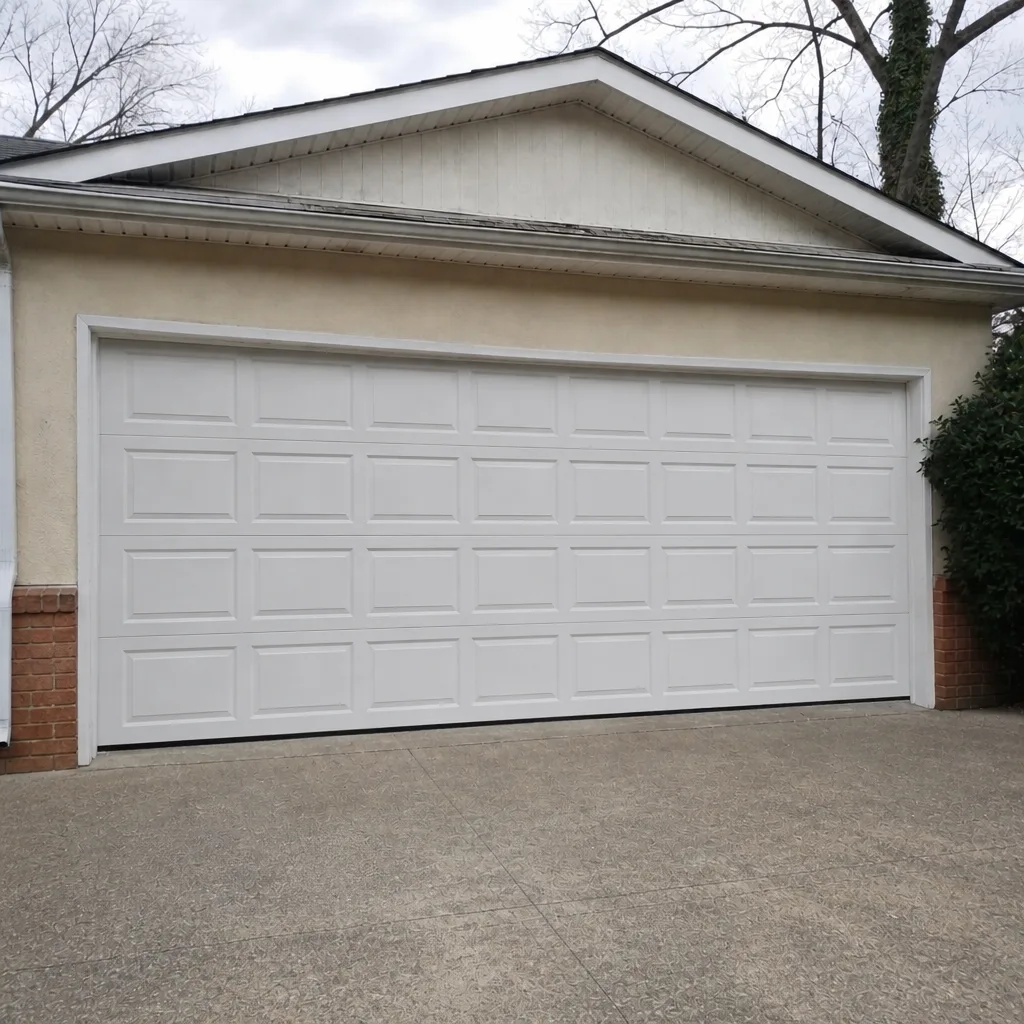 After
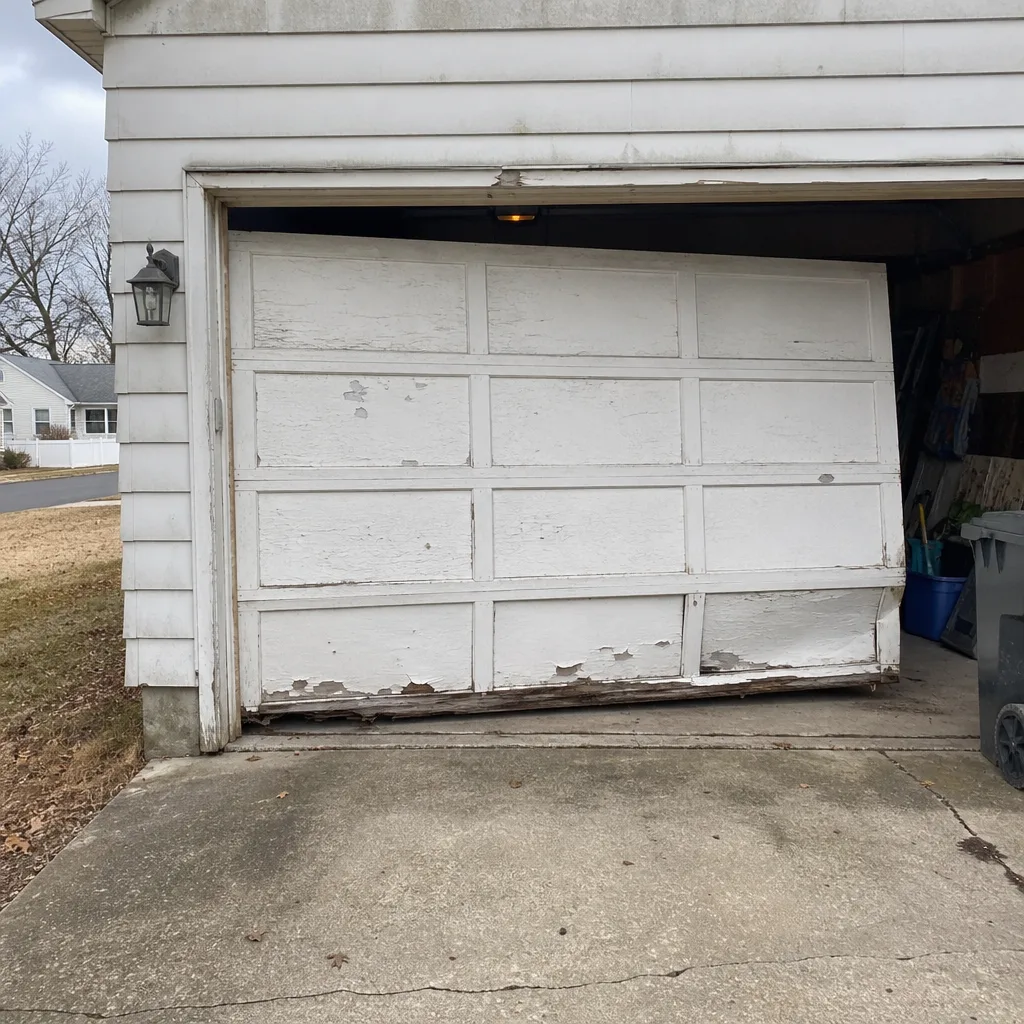 Before
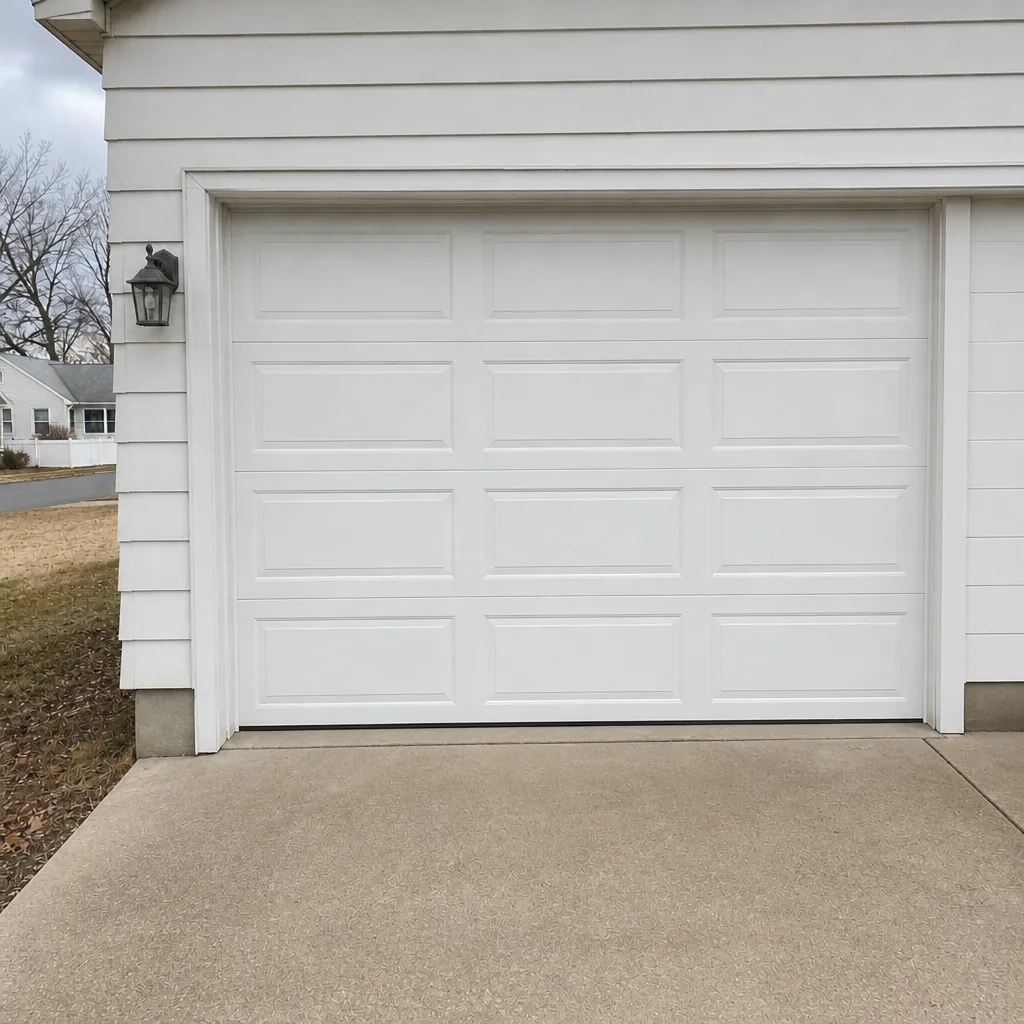 After
When to Call a Professional
Call a professional any time you see a broken spring, a frayed or hanging cable, or a door that reverses before closing. Call when the door comes off its track, hangs at an angle, or won’t move even though the opener powers on. Call when the same intermittent fault repeats – a door that fails on one cycle in twenty is on its way to failing permanently. Call when the opener is dragging a door through resistance. Springs, cables, and opener force systems are not the parts a homeowner should be inside. Vineland Garage Door Repair Pros offers free estimates in Vineland – call (866) 937-7821 when the door tells you something is wrong.
Frequently Asked Questions
A broken spring or a frayed/snapped cable is the most urgent warning sign, because both parts are under extreme tension and can cause serious injury if the door is operated. Stop using the door and call for a same-day diagnosis. Call (866) 937-7821 for an exact quote – estimates are free.
Spring repair in Vineland typically runs in the low-to-mid hundreds of dollars for a single spring, and a matched pair usually replaces both, so expect roughly twice the single-spring figure. We quote per job, and the written estimate sets the final price before any work starts. Call (866) 937-7821 for a free estimate.
Yes – a door that develops a new quiet hum from the opener is telling you the motor is drawing more current to move the door, which often means it’s compensating for a mechanical problem. The silence isn’t a comfort; it’s the sound of the opener working harder than it should.
We offer emergency garage door service for time-sensitive failures like a door stuck open or a door that won’t secure. That’s a core service for us. Call (866) 937-7821 and we’ll book you as fast as we can – estimates are free, and we won’t start work without an agreed price.
An intermittent fault is more dangerous because the failing part hasn’t fully broken yet – it’s on the verge, and the door is running on the cycles left before it goes. A consistent fault means the part has already failed and you know what you’re dealing with. Both need professional attention, but the intermittent one is easy to ignore and harder on the rest of the system.
We work across all eight brands we service, including Wayne Dalton, Raynor, LiftMaster, Chamberlain, Genie, Clopay, Amarr, and Craftsman, so we don’t need to quiz you on the brand before booking. We’ll diagnose the system and confirm during the visit. Call (866) 937-7821 to schedule.
The Bottom Line
A garage door fails on a specific part, and it usually tells you which part weeks in advance. The sounds map to bearings and springs, the visuals map to cables and tracks, and the intermittent failures map to parts that are about to break. Sort the symptoms into urgent (broken spring, frayed cable, reversing door) and monitor-soon (slow travel, minor noise, small gaps), and do a five-step check once a month so you know which bucket you’re in. If the door is under Vineland’s summer heat or winter freeze, expect more wear, not less. One call covers the door, the opener, the springs, and the installation – and our technicians have up to 11 years of experience specifically in garage doors. When in doubt, get it looked at. Vineland Garage Door Repair Pros is (866) 937-7821, estimates are free, and the price is agreed before work starts.
Written by the team at Vineland Garage Door Repair Pros.