Last updated November 23, 2026
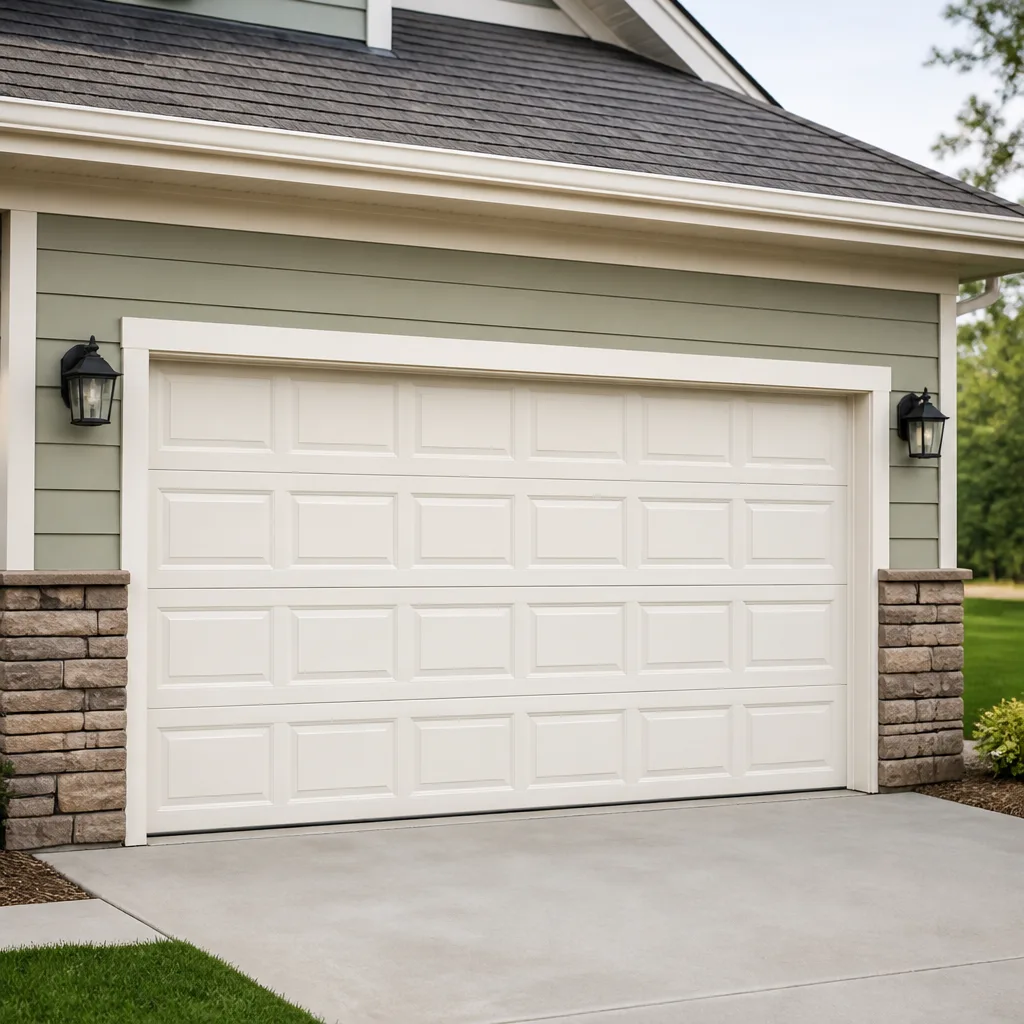 Raised-panel steel
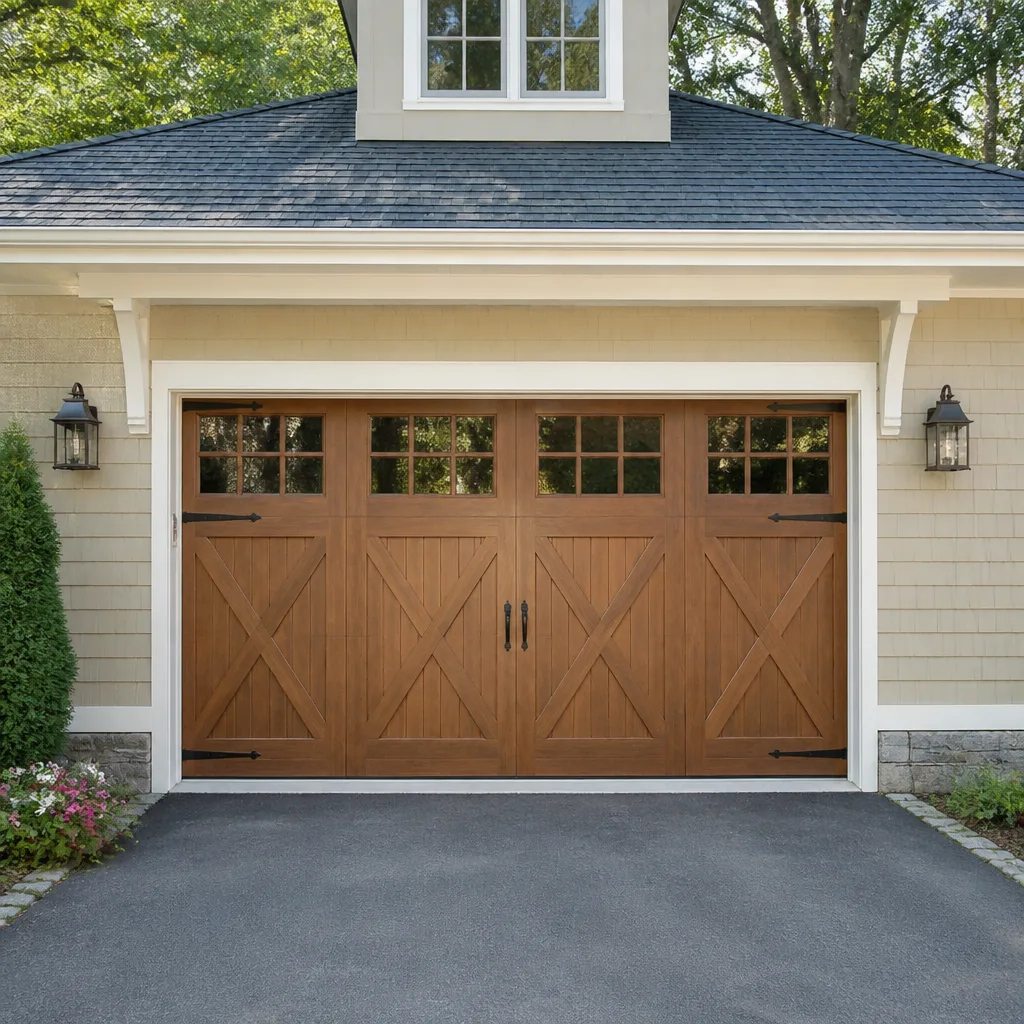 Carriage house
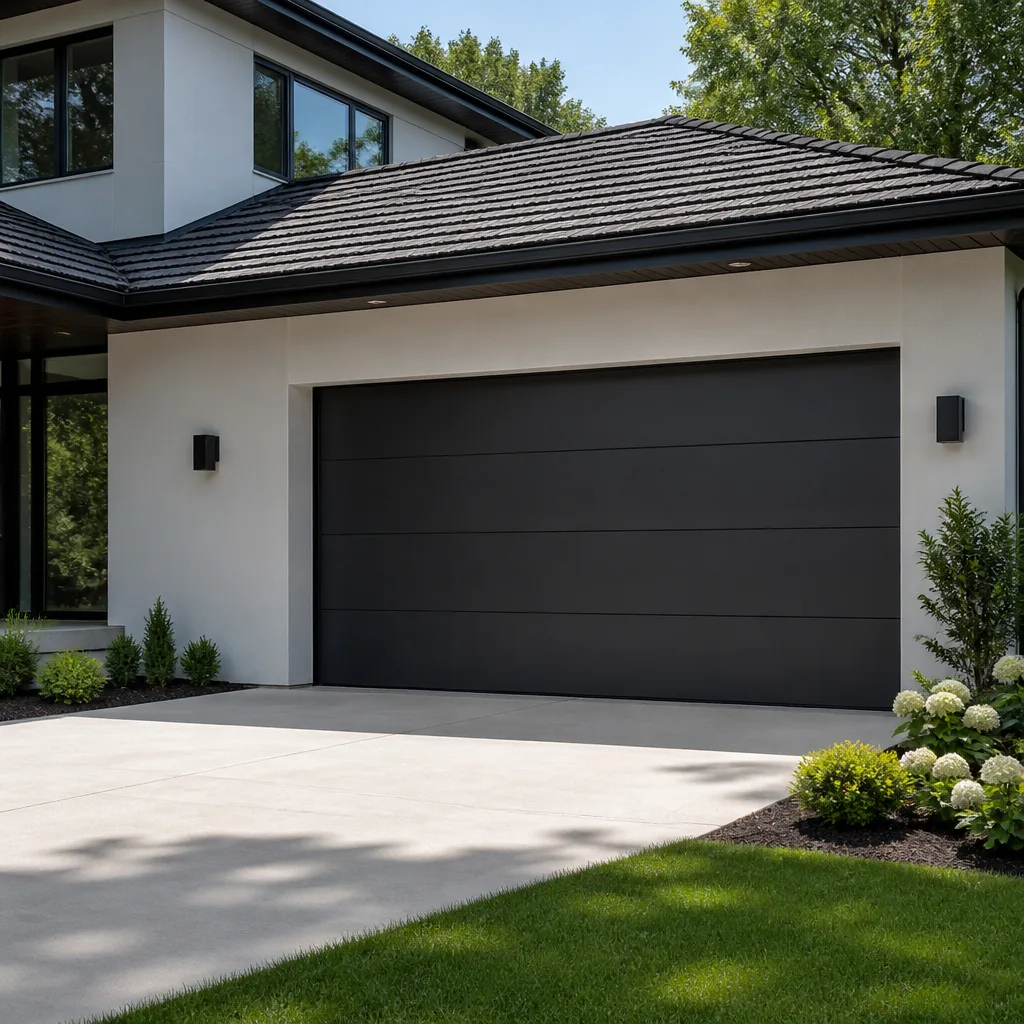 Modern flush
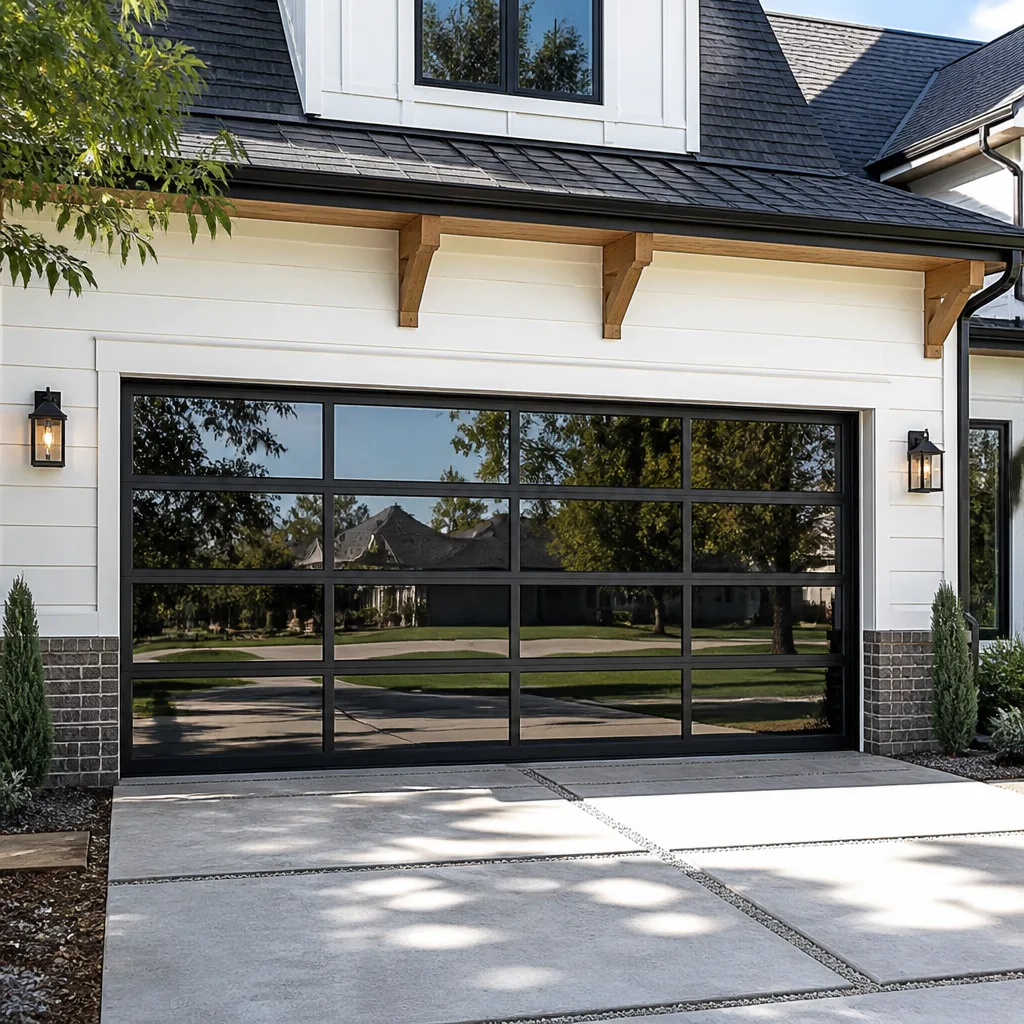 Full-view glass
 LiftMaster openers
 Chamberlain openers
Full 25-point door and opener safety check with every visit - springs, cables, rollers, tracks, and your LiftMaster or Chamberlain opener included
You get a price before we start. It does not change when the pro arrives.
Get your free estimateGarage Door Permits, Codes & Inspections in Vineland, NJ: What You Need to Know
Most homeowners assume a garage door isn’t “construction.” It’s a product, it slides on tracks, and swapping it looks like appliance work, not a building project. That assumption is exactly where trouble starts in New Jersey. A like-for-like replacement usually sails through without a permit, but the moment you change the size of the opening, alter framing, or install a door that doesn’t meet the wind-load requirements the state sets, you’ve crossed into permitted work. Skip it and the paperwork can surface later during a title search, an insurance claim, or a home sale in Vineland. This guide walks through what the New Jersey Uniform Construction Code actually requires, what Vineland’s building department enforces on the ground, and how to pull a permit yourself if you need to.
Quick Answer
In Vineland, NJ, replacing a garage door with the same size door in the same opening typically doesn’t need a permit, but any structural change, size change to the opening, or new door installation that alters framing or header requires one under the New Jersey Uniform Construction Code. Wind-load compliance is a state-level requirement that local inspectors check, and unpermitted work can complicate a home sale or insurance claim years later. When in doubt, call Vineland’s building department before you buy the door.
Styles & brands we work with
- Raised-panel steel
- Carriage house
- Modern flush
- Full-view glass
- LiftMaster openers
- Chamberlain openers
Table of Contents
- The New Jersey UCC Threshold: What Counts as “Like-for-Like”?
- What Vineland’s Building Department Enforces
- Wind-Load Requirements and Why Cheap Panels Fail
- Your Liability When an Unpermitted Door Is Involved
- How to Pull a Garage Door Permit Yourself in Vineland
- What the Inspection Process Looks Like
- Repairs vs. Replacements: Where the Line Sits
- When to Involve a Licensed Contractor
The New Jersey UCC Threshold: What Counts as “Like-for-Like”?
The New Jersey Uniform Construction Code draws a line between maintenance and construction. Replacing a garage door with an identical model in the same rough opening, without touching the framing, is generally treated as maintenance. Change the size of that opening, add a new header, cut into the wall, or move the door, and you’re doing construction – which means a building permit.
What trips people up is the word “replacement.” A homeowner hears “replace” and assumes it lives in the maintenance category. But the UCC cares about scope, not vocabulary. If your new door is the same width and height as the old one, mounts to the same jambs, and reuses the existing tracks and opener wiring, you’re almost certainly in the clear. If you’re widening the opening from a single to a double, adding a door where there wasn’t one, or reinforcing the header above because a heavier door is going in, you’re changing the building. That requires a permit.
The distinction matters for two reasons. First, unpermitted structural work is a violation whether or not anyone notices it during the job. Second, when a home goes on the market, the buyer’s title search and the township’s certificate of occupancy process can turn up open permits or missing ones. We’ve seen that go sideways at closing more than once, and it’s a slow, expensive fix in the middle of a move.
- Typically no permit: same-size door, same opening, same header, opener swap, spring or track repair.
- Typically a permit: enlarging or shrinking the opening, changing the header, adding a new door opening, converting a manual door to an opener if electrical work is added, or installing a door as part of an addition.
- Gray zone: upgrades to a heavier or higher-wind-rated door on existing framing. Ask the building department in writing.
If you’re not sure which side of the line your project falls on, the safest call is to describe the scope to Vineland’s construction office before ordering anything. For most Vineland homeowners doing a straightforward replacement, our garage door repair team can help you sort out whether your job is maintenance or construction before you commit to a model.
What Vineland’s Building Department Enforces
Vineland’s construction office doesn’t rewrite the state code, but like every municipal office in New Jersey, it interprets it, and how it approaches your submission is what you’ll actually experience. The state says what the code requires. The local office decides how much documentation you need to prove it, how quickly they’ll schedule an inspection, and whether they’ll accept a manufacturer’s spec sheet in place of a stamped drawing.
In practice, we’ve noticed that Vineland’s inspectors care most about three things on a garage door permit application: the wind-load rating of the door being installed, the structural adequacy of the header over the opening, and whether the work described on the application matches what they’ll see on site. If the application says “same size replacement” and you show up with a wider opening, that’s a fail. If the door spec sheet doesn’t show a design pressure that meets or exceeds what the code calls for at your address, that’s a fail. If the header looks undersized for the new door’s weight, you’ll be told to get an engineer’s letter.
One thing that isn’t the local office’s job: telling you what door to buy. They inspect, they don’t design. That means the burden is on you or your contractor to get the specs right before submission. A model that’s perfectly fine in Cape May County may not meet the same threshold in Vineland depending on exposure category, so don’t assume a neighboring town’s approval transfers.
Locals sometimes assume that because Vineland is a large, spread-out city, the building office takes a softer approach. Not really. It’s a busy office with a backlog, which means they’re more likely to be strict about paperwork – not because they’re difficult, but because a rejection with a clear reason is faster to process than a follow-up visit.
Wind-Load Requirements and Why Cheap Panels Fail
New Jersey’s building code sets wind-load requirements for all exterior components, and garage doors are a big one. A garage door is essentially a giant sail sitting in the largest opening on the front of your house. When wind pressure hits, it doesn’t just push on the door – it pushes on the tracks, the jamb, the header, and the opening framing. A door that isn’t rated for the pressure at your address can become a failure point during a serious storm.
What most homeowners don’t realize is that the wind-load requirement isn’t just about the panel. It’s about the full assembly. The panel needs a design pressure rating, and the tracks and mounting need to be appropriate for that panel. Two doors with identical-looking steel skins can have very different ratings – one passes, one doesn’t – and the cheaper of the pair is usually the one that doesn’t.
This is where brand knowledge matters. Clopay publishes wind-load ratings and offers several of its models in wind-load-rated variants. Amarr and Wayne Dalton do the same. If you’re shopping on price alone, you may end up with a model that looks right and fails the inspection. The installed cost difference between a code-compliant panel and a cheaper non-rated one is often smaller than the cost of tearing off the failed door and buying again.
- Ask for the design pressure rating in writing from whoever sells you the door.
- Compare the rating to the code requirement for your specific address and exposure.
- Check the track and mounting hardware – a rated panel on undersized tracks fails anyway.
- Confirm the rating on the door label before installation, not after inspection.
If you’re working with a company that treats the door as a product rather than a building component, they can miss this step. Our technicians have up to 11 years of experience with brands like Clopay and LiftMaster, and we’ve seen how often a wind-load mismatch comes up after the door is already hanging. The right conversation happens before the door is ordered.
Your Liability When an Unpermitted Door Is Involved
The thing about unpermitted work is that it doesn’t announce itself. The door works, it looks fine, years go by. Then something happens, and the missing permit becomes the center of the story. That’s the moment homeowners regret not asking the question.
Three scenarios come up repeatedly. First, a home sale: the buyer’s inspector flags a garage door, the title search shows no permit, and the closing stalls while you scramble to get the work retroactively approved. Second, an insurance claim after a storm or break-in, where the insurer reviews the installation and asks whether the door was permitted and inspected. Third, a liability claim if someone is injured by a door that failed – if the door was installed without a permit and without an inspection, the question of whether it met code becomes very hard to answer in your favor.
None of these outcomes means you’re automatically on the hook. But each one puts you in the position of proving a negative – that the work was fine without ever having been checked. That’s an expensive place to be, and a permit costs far less than a lawyer’s letter.
There’s also the resale disclosure side. New Jersey requires sellers to disclose known material defects. If you changed the garage door opening or structure without a permit, that’s a known condition, and failing to disclose it can create problems later. If you don’t know whether a permit was needed, say so honestly – but the cleanest position is to have the permit on record from the start.
- Title search: open permits or missing permits can delay closing.
- Insurance review: claims can trigger a code-compliance question.
- Liability exposure: unpermitted work makes defense harder if a failure causes injury.
- Disclosure duty: known unpermitted work must typically be disclosed at sale.
How to Pull a Garage Door Permit Yourself in Vineland
You don’t need a contractor to pull a permit in New Jersey. A homeowner can pull one on their own home, and it’s a reasonable path if you’re coordinating your own installation or if the contractor you’re using doesn’t want to. Here’s the process as it usually works for a garage door permit.
- Start with a call to Vineland’s construction office. Confirm whether your specific scope needs a permit, and ask what documents they’ll want. Get the name of the person you speak with and the date. If they tell you a permit isn’t required, write that down – it’s useful to have later.
- Get a specification sheet for the door you’re installing. It needs to show the model number, dimensions, and wind-load design pressure rating. A screenshot from a retailer’s website usually isn’t enough. Ask the manufacturer or supplier for the spec sheet PDF.
- Gather the site details. Measure the existing opening height and width, note the header construction, and photograph the opening on the inside and outside. If your new door is larger than the old one, you’ll likely need a drawing or engineer’s letter for the header.
- Complete the permit application. The form asks for the scope of work, valuation, and contractor information if you’re using one. Homeowner permits are typically filed under your own name, not the installer’s.
- Submit and pay. Permit fees are based on the valuation of the work. Expect a few weeks of processing, but call to confirm current turnaround before you schedule installation around it.
- Schedule the inspection after installation. Don’t skip this step – the inspection is what closes out the permit. An unclosed permit is an open permit, which is what causes trouble at resale.
The main risk of pulling your own permit is that the paperwork burden falls on you if something is wrong. If your application is rejected because the door spec doesn’t show a rating, or the drawing is missing, you’re the one who has to fix it. A contractor who has done this in Vineland before will usually handle that in stride. If you’re also planning a full replacement, our Vineland Garage Door Repair Pros team can talk through the paperwork side before you start.
What the Inspection Process Looks Like
The inspection is usually quick – often under 30 minutes for a garage door installation – but it’s specific. The inspector isn’t there to critique your taste or your color choice. They’re there to verify the work matches the permit, that the installation meets code, and that the door is safe to operate. Here’s what they typically look at.
- Door matches the application: same model, same size, same wind-load rating as what was submitted.
- Opening and header: framing is adequate for the installed door’s weight and wind-load rating.
- Mounting and tracks: tracks are secure, properly anchored, and the correct type for the door.
- Safety features: if there’s an opener, the photo-eye and auto-reverse features work. If the door is manual, it opens and closes smoothly without binding.
- Labeling: the door carries a visible label or tag with its wind-load rating.
- Clear of hazards: nothing obstructs the door’s travel, and the door doesn’t interfere with structure or utilities.
If something fails, the inspector will usually tell you what to fix and give you a re-inspection window. Most failures we hear about involve the door spec not matching the application, missing ratings labels, or tracks that were anchored into inadequate framing. All fixable, but not free.
The other thing to know about the process: the inspection usually happens after the door is installed, not before. That means any correction has to be done on the installed door. Get the specs right at the front end and the inspection is a formality.
Repairs vs. Replacements: Where the Line Sits
Most garage door work in Vineland falls into the repair category, and most repairs don’t need a permit. A spring replacement, an opener swap, a track adjustment, a panel replacement with an identical panel – all maintenance work. Where homeowners get confused is when a repair turns into a replacement. If you’re replacing a twisted panel with the same model panel, you’re still in repair territory. If the “repair” involves changing the size of the opening or cutting into the framing, you’re back into permit territory.
Opener replacements are their own category. Swapping a dead opener for a new LiftMaster or Chamberlain unit that uses the existing wiring is typically maintenance. Adding new electrical circuits, moving an outlet, or wiring a new opener where there wasn’t one before can trigger the electrical permit side. If you’re not sure, ask.
The thing we emphasize to homeowners is that a good repair technician will tell you when your job has crossed the line. If you call a garage door repair service and the technician says “you need a permit for this,” that’s not an upsell – that’s an honest answer about scope. A technician who doesn’t say anything is either unaware of the code or willing to look the other way. Neither is what you want. If you’re booking garage door opener repair and the scope is unclear, ask the question up front.
Springs are the most common repair that calls for professional handling regardless of permits. Springs are under extreme tension, and this is not a DIY repair. Our garage door spring repair service is handled by technicians trained in high-tension spring safety protocols, which is the minimum standard for work like this.
When to Involve a Licensed Contractor
You can legally pull a home improvement permit on your own home in New Jersey, but there are situations where bringing in a licensed contractor is the better move. If your installation involves a heavier door than the existing framing was built for, if the header needs reinforcing, or if the wind-load category at your address requires a specific model you’re not sure how to select, an experienced contractor will save you time and rejected applications.
There’s also the inspection angle. A contractor who has done many garage door installations in Vineland knows what the local office looks for and can anticipate the questions before they’re asked. That’s not a privilege – it’s the accumulation of having done it before. It changes the outcome from “what do you mean the tracks are wrong” to a clean inspection.
What you want from a contractor isn’t just installation. You want someone who knows the code, understands the wind-load requirement, and will tell you honestly whether your project needs a permit at all. If a company won’t have that conversation, that’s information too.
Common Mistakes to Avoid
- Assuming “replacement” always means “no permit.” The word replacement hides a lot of scope. If your new door is a different size or requires header work, you’re in permit territory regardless of what it’s called.
- Buying the door before checking specs. Ordering a cheaper panel and then discovering it doesn’t meet the wind-load rating for your Vineland address means buying twice. Confirm the rating before the door ships.
- Taking a contractor’s word that no permit is needed without confirming with the building department. A contractor who says “we never pull permits for this” may be right, or may be generalizing from a different scope. Ask Vineland’s construction office directly.
- Filing the permit as “same size replacement” when you’re changing the size. That’s the fastest way to fail an inspection and waste a filing fee. Describe the actual scope.
- Skipping the close-out inspection. A permit that isn’t inspected is still open. Open permits are what come back to bite you at resale.
- Ignoring the opener’s electrical side. A new opener on existing wiring is usually fine, but new circuits may need an electrical permit. Don’t assume the garage door permit covers it.
- Assuming neighboring town approvals carry over. Vineland’s construction office interprets the state code its own way, and exposure categories vary by address. What passed in another municipality doesn’t automatically pass here.
See the difference
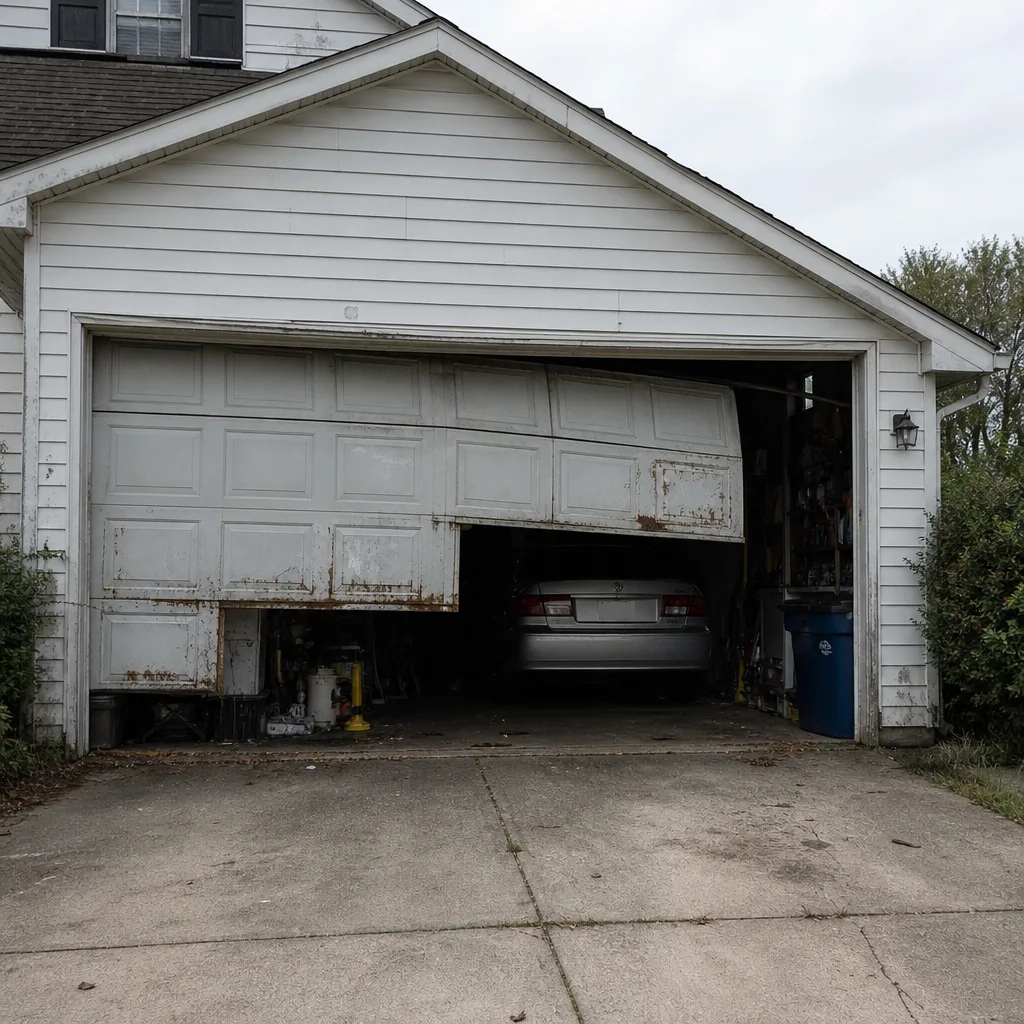 Before
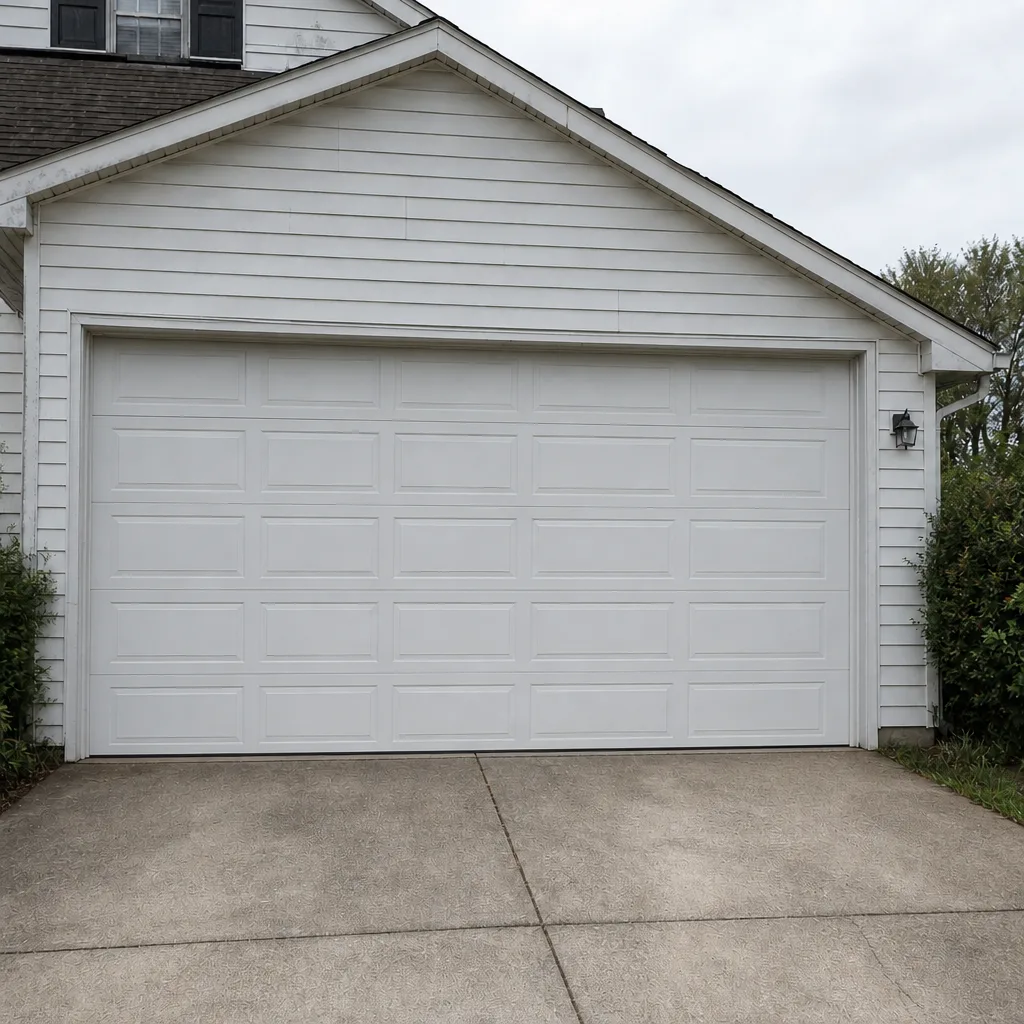 After
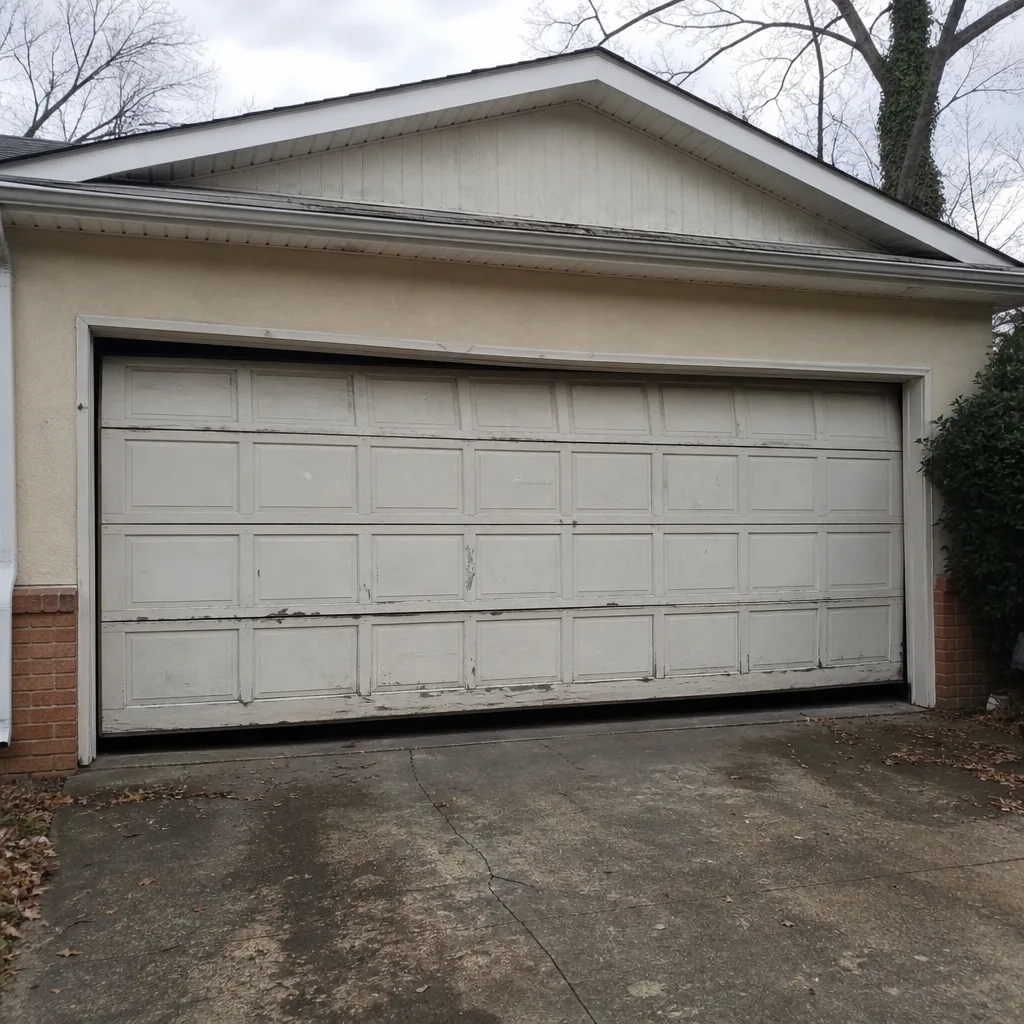 Before
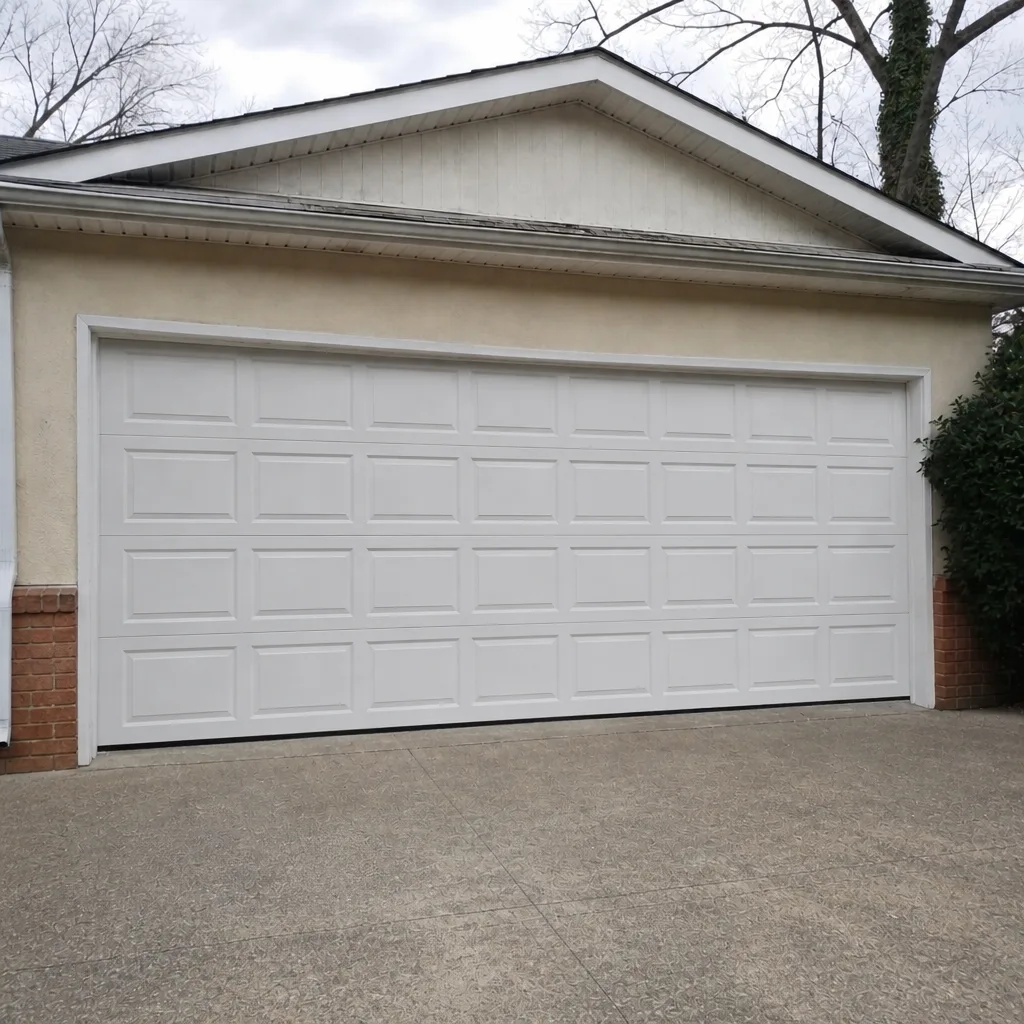 After
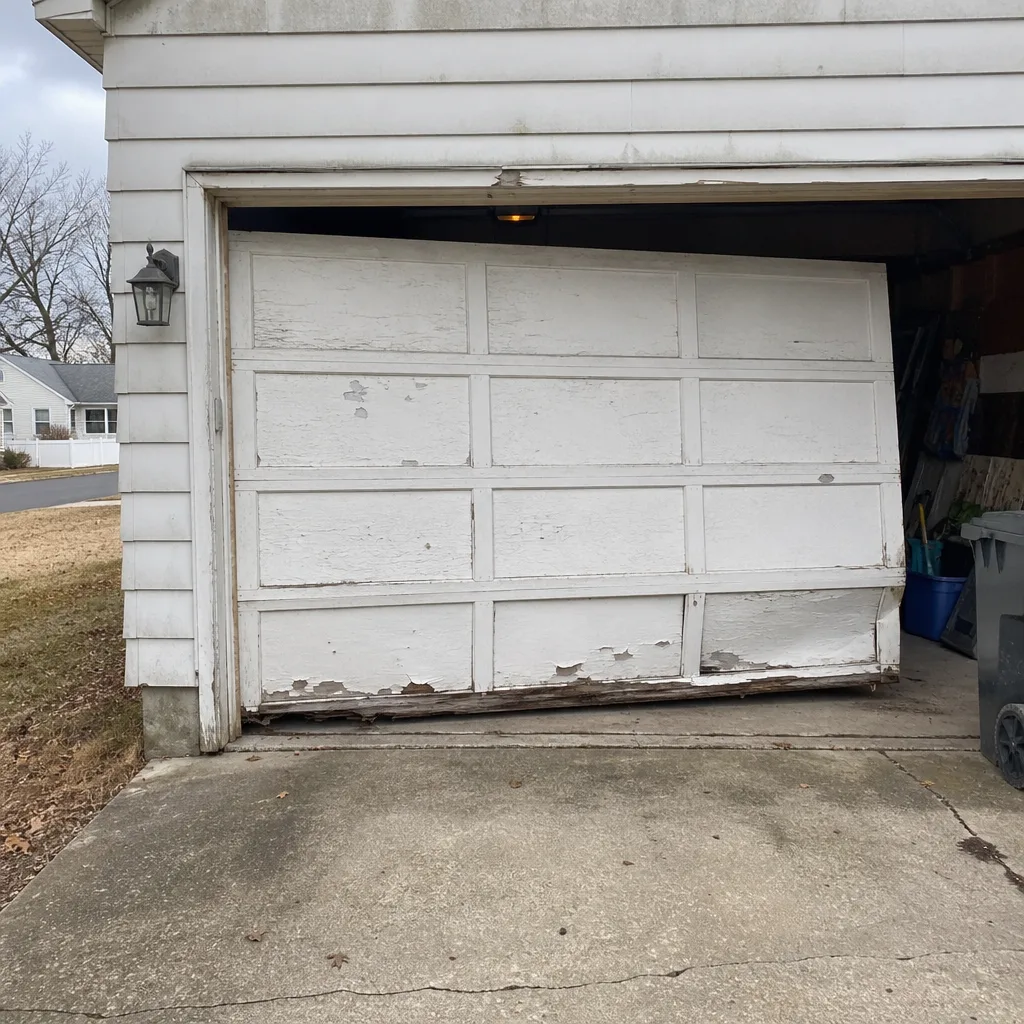 Before
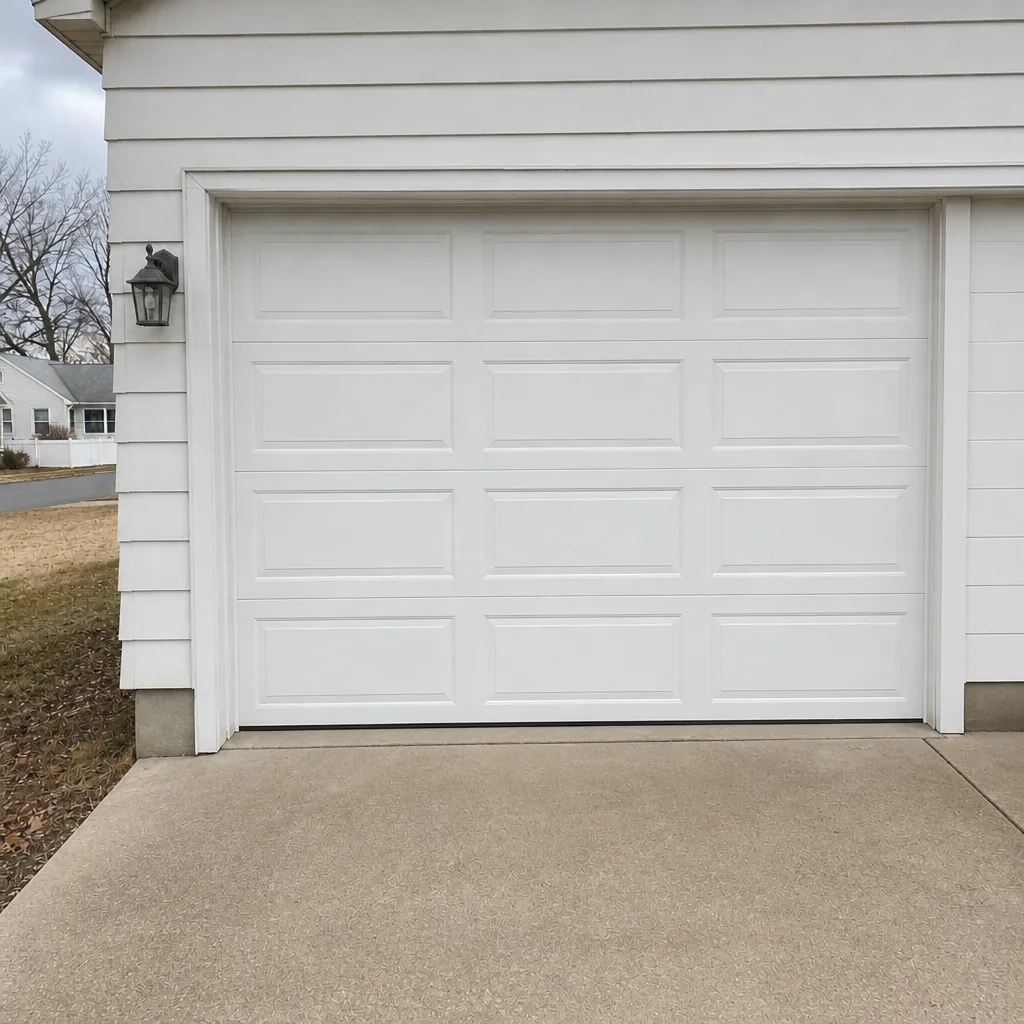 After
When to Call a Professional
Call a professional if your project involves changing the size of the opening, adding a door where there wasn’t one, or installing a door that’s heavier or differently rated than the existing one. Spring failures, off-track doors, dead openers, and panel damage are all situations where a trained technician makes the difference between a repair and a safety hazard. Springs, in particular, are a no-go for DIY – they’re under extreme tension and a mistake can be serious. Vineland Garage Door Repair Pros offers free estimates in Vineland – call (866) 937-7821. Our technicians have up to 11 years of experience across LiftMaster, Chamberlain, Genie, and Clopay systems, and we’ll tell you honestly whether your project triggers a permit.
Frequently Asked Questions
Not always. A like-for-like replacement – same size door in the same opening, no structural changes – typically doesn’t require a permit. If the opening is being resized, the header is being changed, or the door is going into a new opening, you’ll likely need a building permit under the New Jersey Uniform Construction Code. Call Vineland’s construction office to confirm your specific scope before ordering a door. If you’re also working on the opener side, we handle garage door opener repair and can advise on the electrical questions. Call (866) 937-7821 for a free estimate.
The state sets the code; Vineland’s construction office interprets and enforces it locally. That means the paperwork requirements and the inspection timeline are set by the local office even when the underlying rules come from the state UCC. In practice, this means you should always confirm with Vineland’s building department for your specific address rather than relying on what worked in a neighboring town. Call (866) 937-7821 and we’ll help you sort out what questions to ask.
If a permit was required and you didn’t pull one, the work is technically unpermitted, which can create problems at resale, in insurance claims, and in liability situations. A title search can flag missing permits, and an insurer reviewing a claim may ask for proof of code compliance. Getting the work retroactively approved later is possible but more expensive and more stressful than pulling the permit up front. Call (866) 937-7821 for a free estimate if you need to bring an unpermitted door into compliance.
Yes. New Jersey’s building code sets wind-load requirements for exterior components including garage doors, and Vineland’s construction office checks for this during inspection. The door’s design pressure rating must meet or exceed the requirement for your specific address and exposure category. Cheaper doors sometimes lack the rating or don’t meet it, which means buying twice. Our technicians work with Clopay and Amarr panels that carry published wind-load ratings, and we can walk you through the options. Call (866) 937-7821 for a free estimate.
Yes. New Jersey allows homeowners to pull a home improvement permit on their own residence, including garage door work. You’ll need the door’s spec sheet with its wind-load rating, site photos and measurements, and the permitting application filed in your name. The main risk is that if anything’s missing or mismatched, you’re the one filing corrections. Call (866) 937-7821 and we’ll talk through whether a contractor-pulled permit or homeowner-pulled permit makes more sense for your job.
No. Spring repairs and replacements are generally maintenance and don’t trigger a permit – but they are the most dangerous part of any garage door system, and this is not a DIY repair. Our garage door spring repair team is trained in high-tension spring safety protocols, and we handle the repair without needing a permit. Call (866) 937-7821 for a free estimate.
The Bottom Line
A garage door replacement isn’t a permit-free zone. Like-for-like work usually is, but any structural change, opening resize, or new installation triggers the New Jersey Uniform Construction Code. Wind-load compliance is non-negotiable in Vineland, and cheap panels that fail the rating aren’t a deal – they’re a re-do. Vineland’s construction office interprets the state code for your address, so confirm before you order. And if the work does need a permit, close it out with an inspection – otherwise it hangs over your home sale and insurance for years. When the door is failing and you need an honest assessment of scope, call Vineland Garage Door Repair Pros at (866) 937-7821 for a free estimate.
Written by the team at Vineland Garage Door Repair Pros.