Last updated November 23, 2026
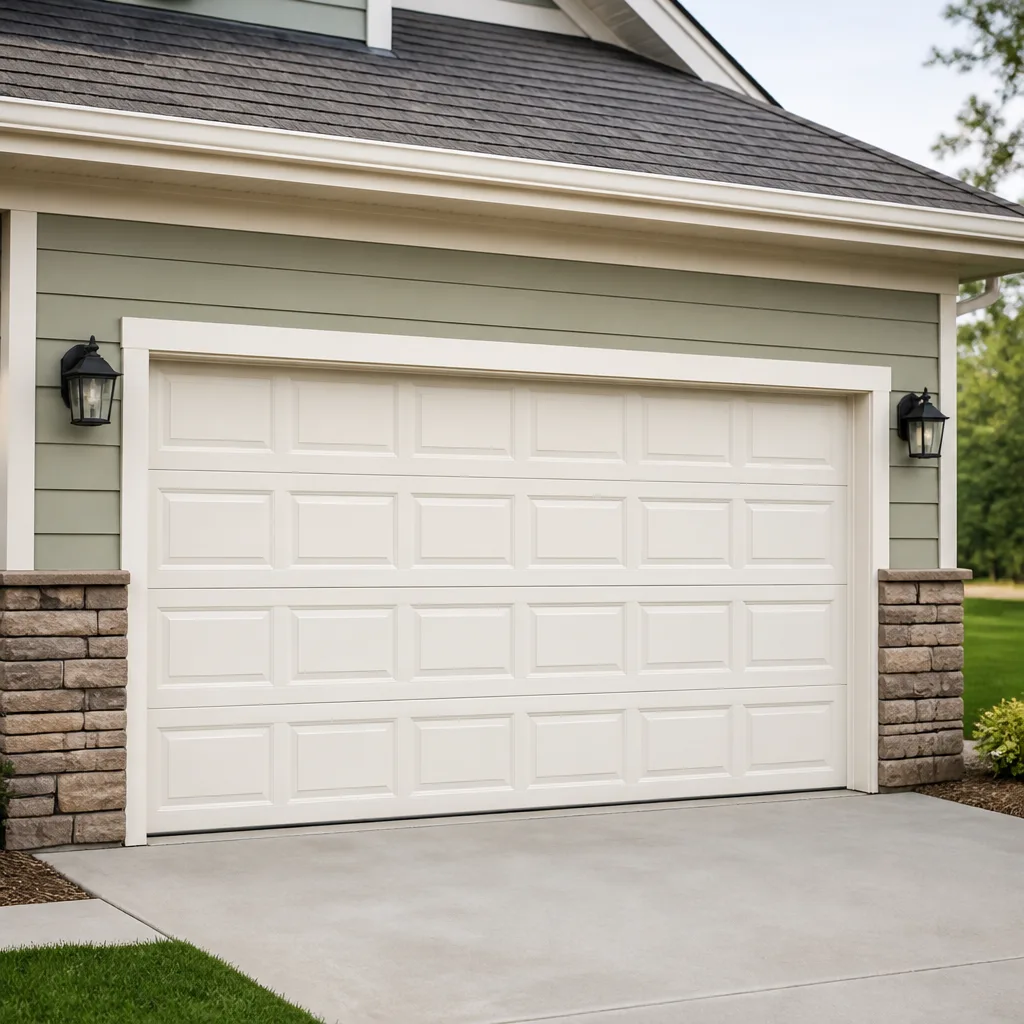 Raised-panel steel
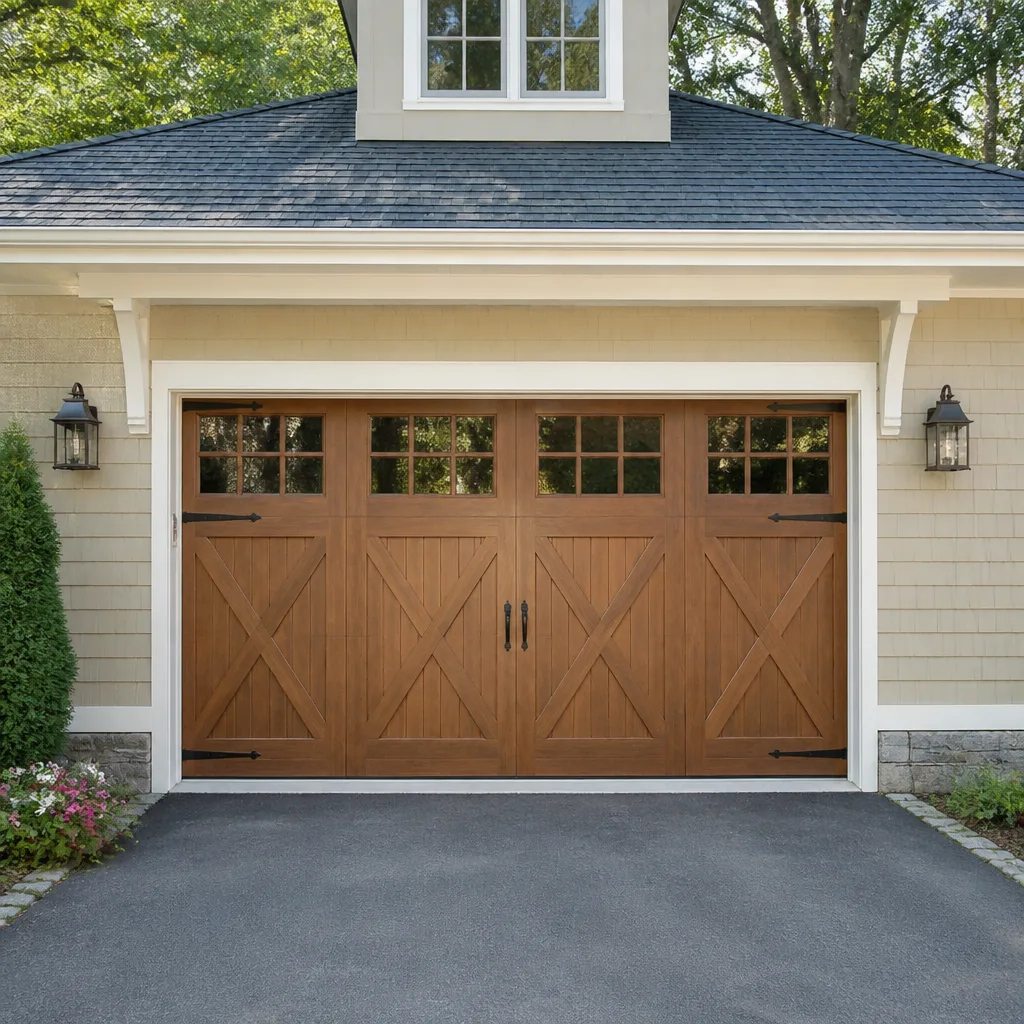 Carriage house
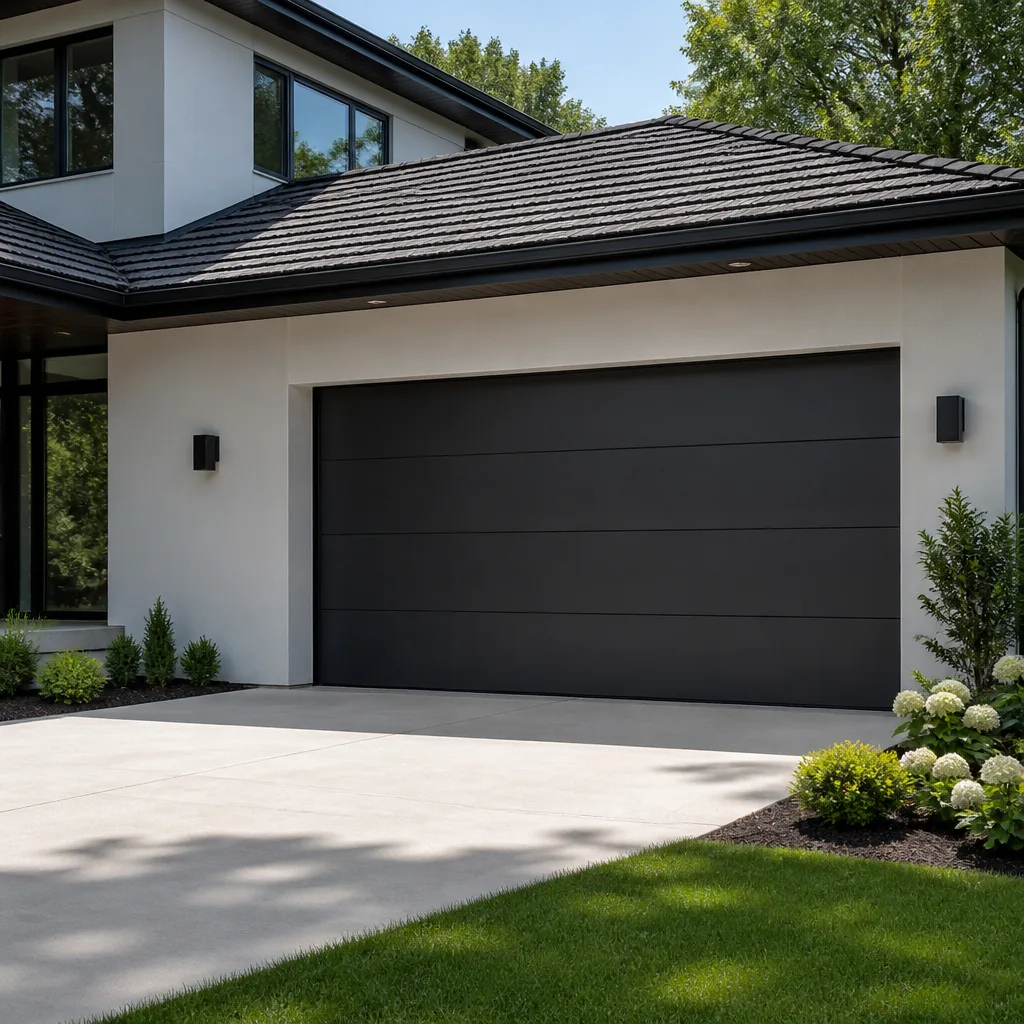 Modern flush
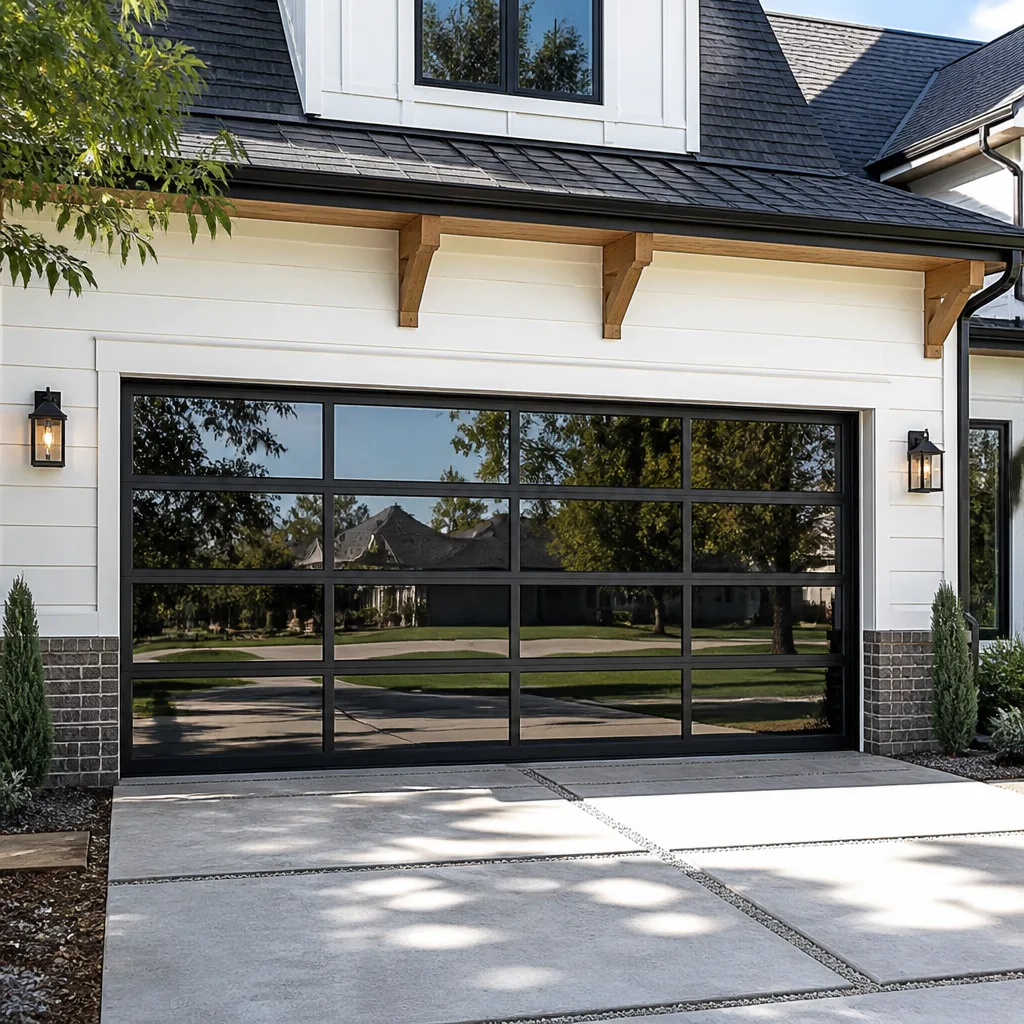 Full-view glass
 LiftMaster openers
 Chamberlain openers
Full 25-point door and opener safety check with every visit - springs, cables, rollers, tracks, and your LiftMaster or Chamberlain opener included
You get a price before we start. It does not change when the pro arrives.
Get your free estimateGarage Door Repair Troubleshooting in Vineland: Common Problems and How to Fix Them
The door that “just stopped working” almost never fails without warning. It gave you three signals first – a hesitation at the halfway point, a louder rattle on the way down, or a gap you had to hold the button to close – and each one pointed at a different breaking part. Homeowners miss those signals because a garage door looks like one big moving wall, so when a symptom appears there is no obvious place to look. Here’s what we’ve learned: almost every failure in Vineland comes down to five root causes, and identifying the category tells you whether the next move is a screwdriver or a phone call. This guide maps symptoms to causes, so you stop chasing the wrong part.
Quick Answer
Most garage door failures in Vineland trace to one of five root causes: a worn torsion spring, an opener that has lost its logic board or gear, a track knocked out of alignment, a safety sensor that’s dirty or misaligned, or a door that binds because humidity has swollen its panels. The behavior of the door – not the sound – tells you which one. A door that’s dead in every position points to the opener or power; a door that jerks and slams with the opener disengaged points to springs; a door that drags or scrapes on one side points to tracks.
Styles & brands we work with
- Raised-panel steel
- Carriage house
- Modern flush
- Full-view glass
- LiftMaster openers
- Chamberlain openers
Table of Contents
- The Symptom-to-Root-Cause Matrix
- Opener Failure vs. Spring Failure: How the Door Tells You
- Why Vineland’s Humidity Swings Make Doors Bind
- The One-Cable Test and the One-Spring Visual Check
- The “It Fixed Itself” Cycle Is the Most Expensive Pattern
- Tracks, Rollers, and Sensors: The Repairs That Are Actually Safe to Check
- Where Troubleshooting Stops and a Specialist Starts
- Seasonal Checks That Prevent Most Failures
The Symptom-to-Root-Cause Matrix
Before you touch anything, watch the door from a safe distance – never with your hands on the door or your head under it. The way the door moves in the first two seconds tells you nearly everything. Here’s how the five root causes separate by behavior:
- Nothing happens at all – no sound, no light flicker. Power, the wall button, or the opener’s logic board. Check the breaker and the safety sensor first, then suspect the opener.
- Opener hums or clicks but the door does not move. The opener is running, but either the drive gear is stripped or the trolley is disengaged. Many LiftMaster and Chamberlain units will register this as a lockout and refuse to move.
- Door goes up a foot and stops, or only moves a few inches then reverses. A broken spring (the door is too heavy for the opener) or a misaligned safety sensor that is reading an obstruction.
- Door slams down, drops fast, or shakes the rail. Spring tension is lost or a torsion cable has slackened. Stop using the door immediately.
- Door drags, scrapes, or pulls hard to one side. Track misalignment or a bent roller – a mechanical bind, not a spring issue.
The distinction matters because the fixes are completely different. An opener that hums but won’t lift is not a broken spring; a door that drags on one side is not a loose chain. If you’re not sure which category you’re in, our garage door repair team can diagnose it in one visit – a free estimate includes the assessment, not just the repair.
Opener Failure vs. Spring Failure: How the Door Tells You
The single most common diagnostic mistake we see is a homeowner replacing an opener that was fine all along, because a weak spring mimicked an opener problem. When a torsion spring loses 15% of its tension, the door gets heavier – and the opener starts to struggle. It may not fail immediately. It just sounds tired. Then one day it can’t lift the door and you assume the motor died. It didn’t; the springs quit.
Here’s how the door separates the two:
- Pull the manual release. That red cord hanging from the trolley disengages the door from the opener. Pull it with the door fully closed.
- Lift the door by hand. A well-balanced door with healthy springs should lift with one hand and stay wherever you leave it. If it takes real effort, the springs are the problem. If it lifts easily and stays, the opener is the problem.
- Test the opener alone. With the door still released, press the wall button. If the trolley travels smoothly on the rail, the opener’s motor and drive are working. If it grinds, stalls, or hums without moving, the drive gear is stripped.
- Re-engage the trolley after the test closes. Never leave the door disconnected if children or vehicles use that space.
On Genie and older Craftsman units, the gear-and-sprocket assembly is the most common mechanical failure – the plastic gear shreds and the motor hums while the chain sits still. Our garage door opener repair calls in Vineland split roughly into two camps: sensor and logic problems that get fixed in one visit, and drive-train problems that need a gear kit. Both are straightforward once the diagnosis is right.
Why Vineland’s Humidity Swings Make Doors Bind
Vineland sits in a climate with real seasonal spread – humid summers, cold winters, and everything in between – and that swing works on garage doors in ways most people don’t connect to the symptoms. A wood door absorbs moisture through the summer, swelling panels and making the whole door slightly wider and heavier. A steel door expands and contracts with temperature, and the tracks bolted to the wall don’t move with it. The result is a door that starts to rub, hesitate, or close with one corner trailing by a half-inch.
Homeowners often read this as an opener problem because the opener is what sounds strained. It isn’t. The bind is in the door. Here’s what binding actually looks like:
- The door closes fully but the opener has to hold the button down the whole way (you’ve quietly disabled the safety reverse in your head to make it work).
- The bottom seal catches on one side and the door lifts unevenly.
- A wood door feels heavier in July than it did in April.
- A steel door’s rollers squeal in cold weather, then quiet down on a mild day.
The fix on a wood door is usually lubrication, adjustment at the track brackets, and a roller check – not a new opener. On steel doors, the track brackets often need a small re-set at the seasonal extremes. If the bind is severe or the door is older, the track may need to be re-set from the wall entirely. We see this pattern across Vineland neighborhoods where doors face direct sun and cold overnight drops in the same day, and it’s the source of more “the opener is dying” calls than any actual failing motor.
The One-Cable Test and the One-Spring Visual Check
There are two checks a homeowner can safely do before touching anything mechanical. They take two minutes and can save you both a service call and a mistake – or tell you to stop right now.
The one-cable test
- Stand to the side of the door, never in front of or behind it, and look at the exposed lift cables running along each side.
- A healthy cable is tight, uniformly wrapped, and free of kinks. A cable that looks slack, has a fray or a birdcage, or sits out of its drum is a failure in progress. Stop here.
- If both cables are tight and even and the door is fully closed, you can move on to the spring check.
The one-spring visual check
- Look at the torsion spring (or springs) mounted on the shaft above the door – do not touch the shaft or the winding cones.
- A spring with a visible gap, a clean break, or a sag will read as broken. That is a confirmed failure. Stop here and call.
- If the spring is intact and the door still feels heavy when lifted by hand, the spring has lost tension but not failed. Also a professional repair, but not an emergency.
These two checks tell you whether you’re facing a spring or cable failure – the most serious category – or something in the opener or track that may be less urgent. Both are visual. Neither asks you to touch a moving part. Our garage door spring repair technicians run these same checks as the first step on every call, because sixty seconds of looking prevents the wrong repair getting quoted.
The “It Fixed Itself” Cycle Is the Most Expensive Pattern
The most expensive pattern we see in Vineland isn’t the failed door. It’s the door that fails, works again the next morning, and fails again in a month – because each cycle hides a specific problem that keeps getting worse. When the door fixes itself, the reset was temporary, and the underlying fault is accelerating.
The three most common self-resets:
- The safety sensor. Dust, cobwebs, or a slight bump from a bike or recycling bin throws the beam off. One sensor nudged back into alignment and the door works again – until the next brush against it. The proper fix is re-securing the sensor bracket, not nudging it a third time.
- The opener’s thermal cutoff. A struggling opener overheats, trips its internal limit, and stops. It cools down, resets, and works again. That reset is the motor telling you it’s working harder than it should. Every cycle weakens the drive gear.
- Humidity binding. A door that binds in summer and moves freely in fall is not “fixed” – the track or panels are out of adjustment and will bind worse next season.
The reset feels like good news. It’s the most accurate warning you’ll get. Deal with the underlying cause on the first reset and you skip the eventual full failure. Ignore it and the eventual repair costs more than the initial one would have – usually because the struggling opener has now worn its gear and the door has worn its cables.
Tracks, Rollers, and Sensors: The Repairs That Are Actually Safe to Check
Not all troubleshooting is off-limits. Tracks, rollers, and sensors live outside the high-tension parts and, in most cases, a homeowner can safely inspect and clean them. Here’s what stays in your lane:
- Clean the safety sensors. The two small lenses near the floor on each side. Wipe them with a damp cloth and check that the indicator light on each is lit and steady – solid means aligned, flickering means misaligned.
- Check for obstructions in the track. Look for debris, a bent bracket, or a loose bolt on the track hangers. Do not try to bend a track back by hand.
- Lubricate rollers and hinges. A garage-door-specific lubricant on the rollers, hinges, and spring (not the track itself) quiets the door and reduces strain on the opener.
- Test the safety reverse. Place a piece of wood flat on the ground where the door closes. The door should contact it and reverse. If it doesn’t, stop using the door and call a specialist.
If the track is bent, the door has jumped a roller, or the door has come off the track entirely – stop. A door that has left the track can fall, and the repair involves spring tension. That’s a call, not a DIY job. If your door won’t move at all and the house is unlocked or the car is trapped, that’s an emergency visit, and we treat it that way.
Where Troubleshooting Stops and a Specialist Starts
Here is where we’re direct with you. Certain repairs are not about saving money or time – they are about avoiding injury. Torsion springs store enough energy to break a wrist or worse when they release suddenly, and the winding process involves holding that stored tension against a bar while you position it. There is no version of that repair that a homeowner should attempt without training and the right tools.
Stop and call a specialist if any of these is true:
- The spring is broken or visibly sagging. A broken garage door spring is under extreme tension even when it looks “dead”. Do not touch it, do not try to lift the door by hand to “check”, do not cut anything.
- A cable is slack, frayed, or off its drum. Cables hold the door’s weight on each side. A slack cable means the load has shifted – and closing or raising the door can release it.
- The door has come off the track or is hanging on one side. The door can fall. Stay clear of it and call.
- The opener is humming but the door is stuck closed. Do not keep pressing the button to “see if it works this time”. Each attempt strains the gear and can burn the motor.
- You’ve already tried to fix it and it’s worse. Stop adding to the problem. The professional diagnosis is free.
The instruction “don’t DIY springs” isn’t a sales line. It’s the same instruction the trade gives its own apprentices for the first year. When the door needs a repair involving spring tension or a cable, that’s where a garage-door specialist with up to 11 years of experience on our side does the job – and where a homeowner’s honest answer to the diagnostic question is “call now”.
Seasonal Checks That Prevent Most Failures
Most of what we fix in Vineland was preventable with fifteen minutes of attention twice a year. Here’s the routine we recommend for Vineland homes with wood or steel doors, run just before summer and just before winter:
- Lubricate the moving parts. Rollers, hinges, and the spring – not the tracks. A garage-door-specific lubricant, not WD-40 on the tracks.
- Test the safety reverse with a wood block. Every six months. If the door doesn’t reverse on contact, that’s a same-week repair.
- Wipe and align the sensors. Thirty seconds. It prevents the majority of “the door won’t close” calls.
- Listen to the door. A rattle, a hesitation, or a new squeak is the first signal in the pattern – catch it at the first one and you skip the other two.
- Check the balance by hand. Pull the release cord with the door closed, lift it halfway, and let go. A balanced door holds its position. A drifting door needs a spring adjustment.
- Look at the springs and cables. Visual only. A gap, a break, or a slack cable in the check above means schedule the repair now, before the door fails mid-winter.
Do this twice a year and you’ll skip most of the emergency calls we get in this trade. If your door is on a LiftMaster, Chamberlain, Genie, Craftsman, or Raynor opener, the logic board and safety sensor tests above work the same way across those brands, so you don’t need to memorize model-specific quirks to run the basic checks.
Common Mistakes to Avoid
- Pressing the button repeatedly at a stuck door. Every press stresses the opener’s gear and can burn the motor. A stuck door means “stop”, not “try again a few times”.
- Using WD-40 on the tracks. It attracts dust and grit and makes the door bind worse. Lubricant belongs on the rollers, hinges, and spring – not on the track that the rollers ride.
- Nudging the safety sensor a third time. If the sensor has drifted twice, the bracket is loose. Re-secure the bracket rather than adjusting the sensor again.
- Replacing an opener when the spring is weak. The single most expensive misdiagnosis we see. Test with the door released before you buy a motor.
- Trying to balance the door by tightening the tracks. Tracks hold alignment, not weight. Tightening them doesn’t fix a fatigue imbalance and can knock the door out of plumb.
- Ignoring the first signal. A hesitation, a rattle, or a gap in the door is the warning. The owner who calls at the first signal spends less than the owner who calls at the failure.
- Touching the torsion spring or the winding cone at any point. The energy in a wound spring can release without warning. This is the one mistake that injury often makes permanent.
See the difference
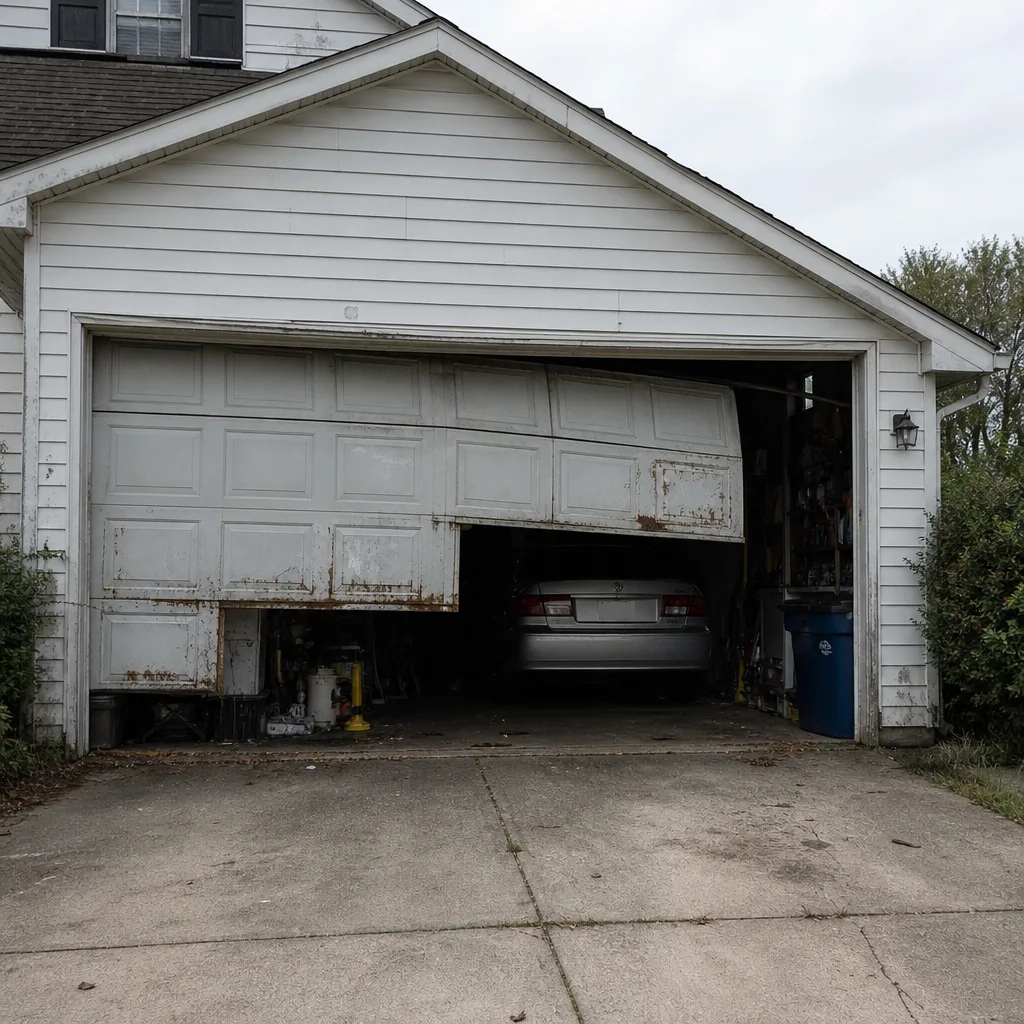 Before
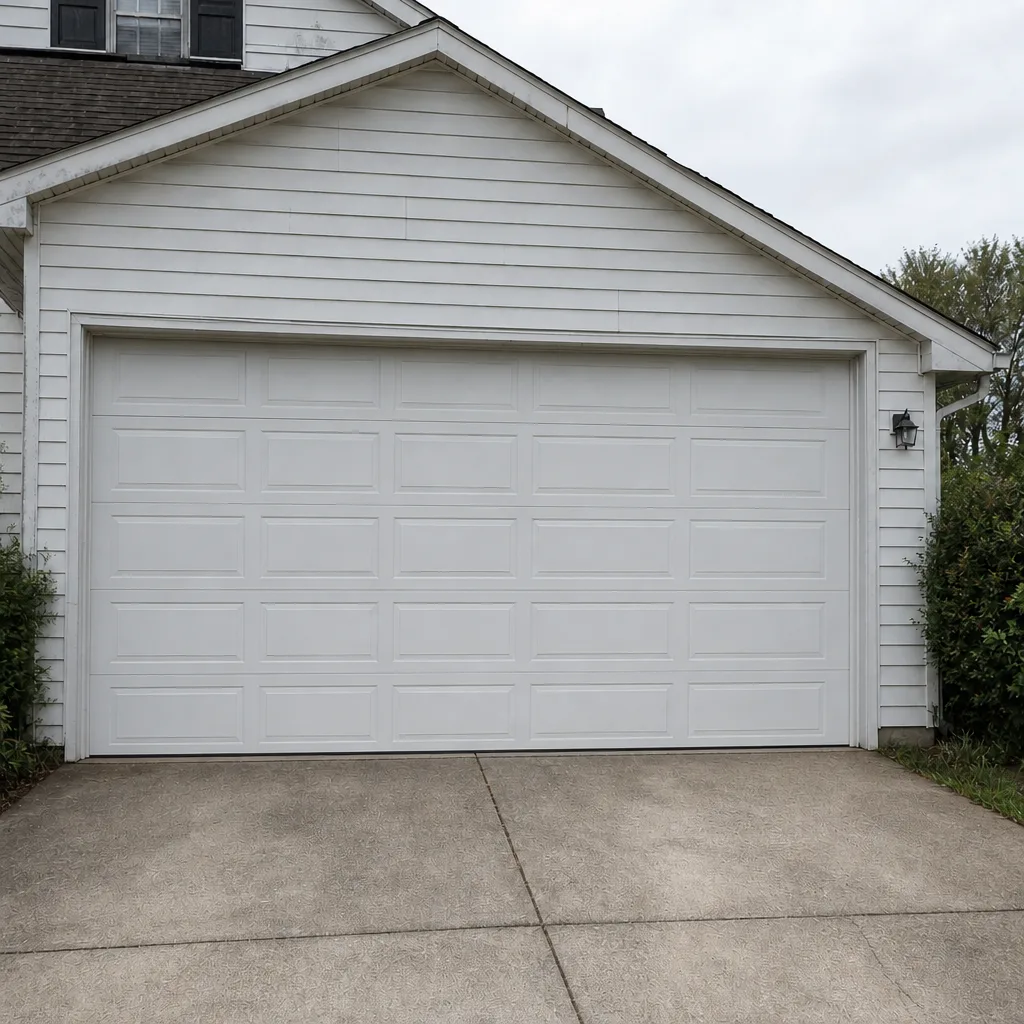 After
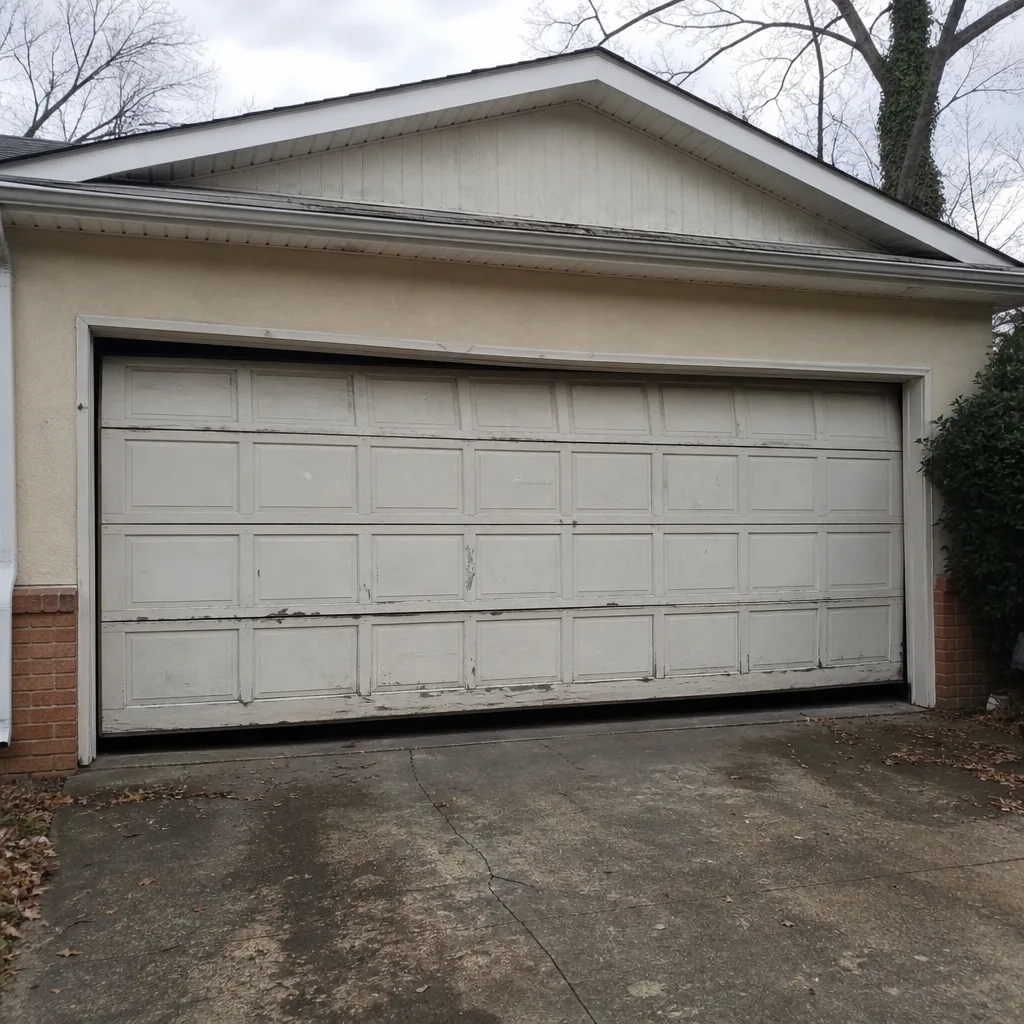 Before
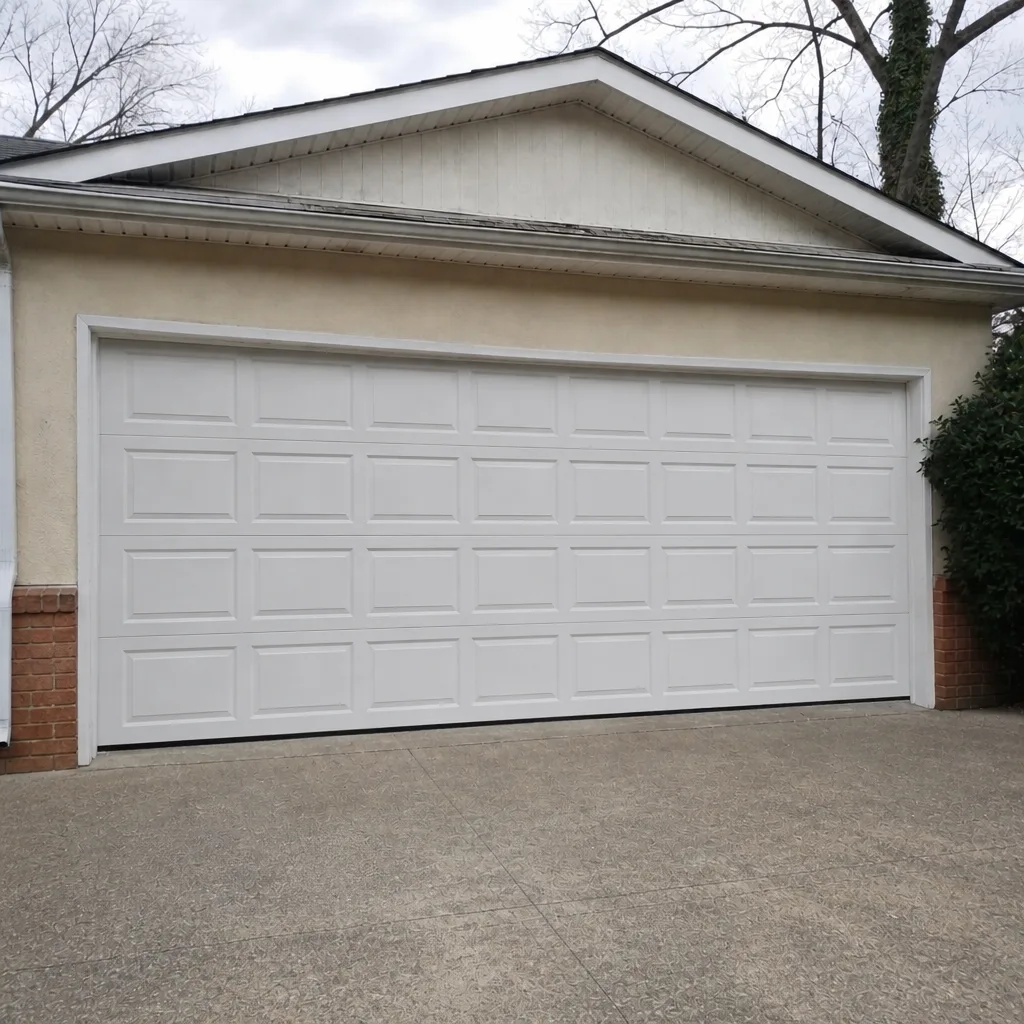 After
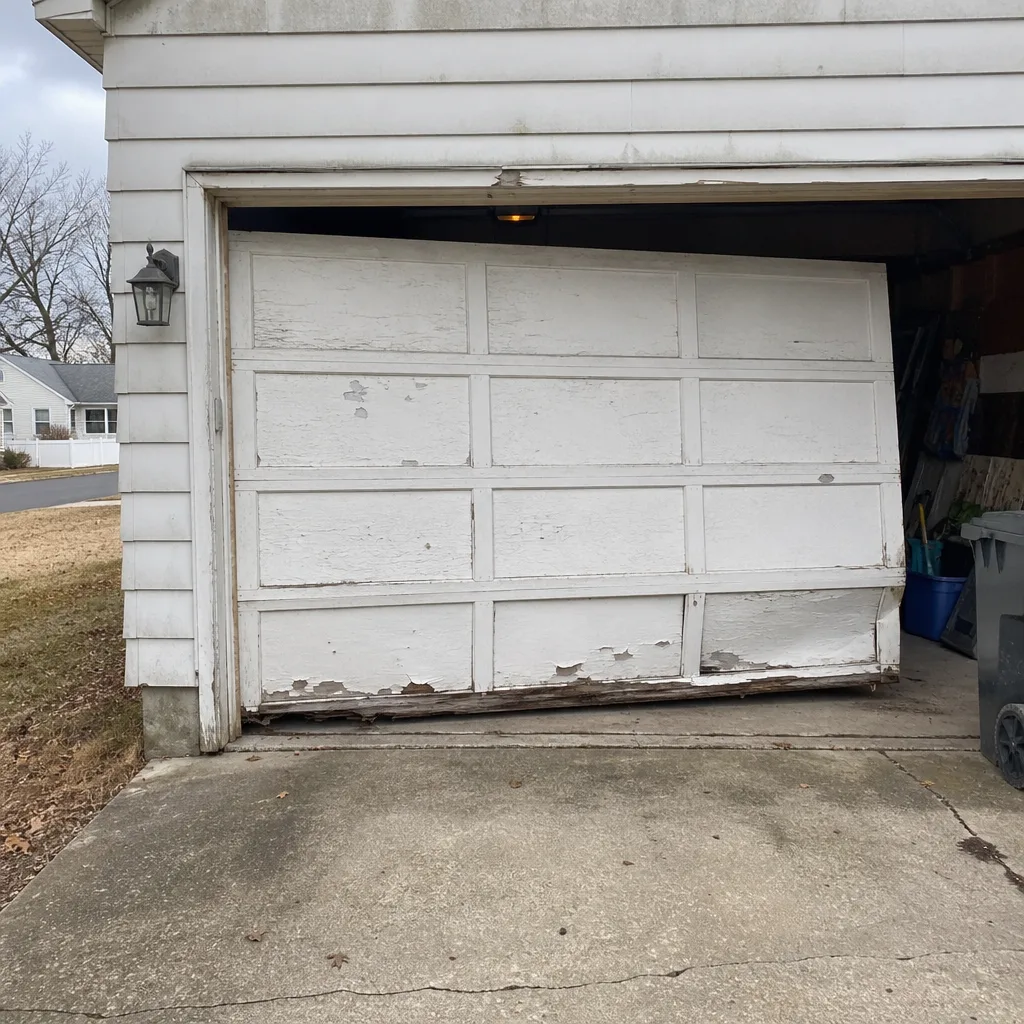 Before
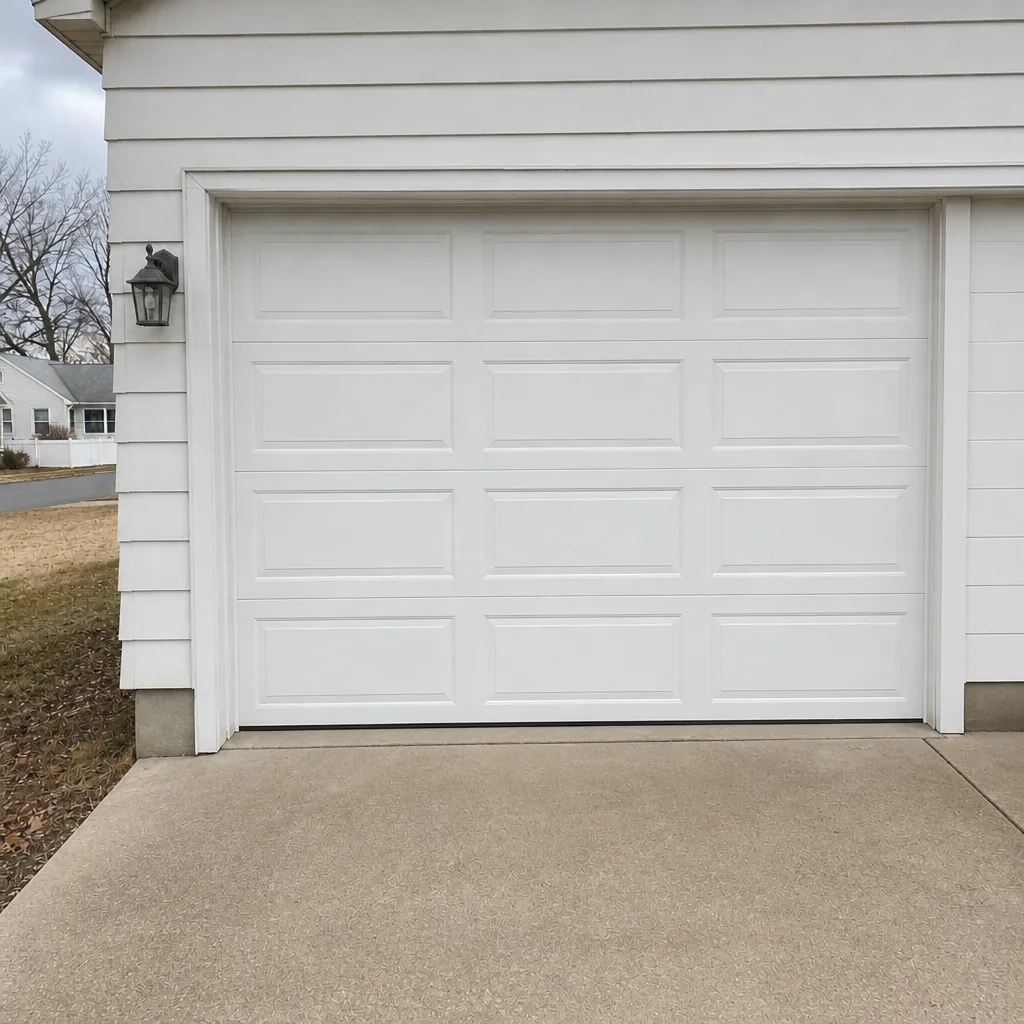 After
When to Call a Professional
Call a specialist when the failure touches spring tension or cable load, when the door is off its track or hanging, when the opener hums but the door doesn’t move, or when a “self-fix” has happened more than once. Also call when the diagnosis itself is unclear – an opener that struggles could be a spring problem or a drive-train problem, and getting it wrong the first time means paying twice. Our Vineland Garage Door Repair Pros team works on the door and the opener together, on the brands we service, so the diagnosis isn’t split between two trades. If you need to know what the repair costs before you commit, we quote the price in writing before any work starts. Vineland Garage Door Repair Pros offers free estimates in Vineland – call (866) 937-7821.
Frequently Asked Questions
Troubleshooting and the resulting repair in Vineland is typically quoted as one visit – the diagnosis and the assessment come with a free estimate, and the written price for the repair is set before any work begins. The final cost depends on the part (spring, opener gear, sensor, track adjustment) and the door type. Call (866) 937-7821 for an exact quote – estimates are free.
Pull the manual release and try lifting the door by hand. A door that lifts hard or won’t stay up has a spring problem; a door that lifts easily but the opener won’t drive has an opener problem. Both can be confirmed in under two minutes without touching a high-tension part. If the door won’t lift at all, call us at (866) 937-7821 rather than testing further.
Yes, for emergency failures like a broken spring, a door off its track, or a door that won’t open and has left your home unsecured. We respond quickly and dispatch between 7am and 7pm. Call (866) 937-7821 and describe what the door is doing – a clear symptom description speeds up the diagnosis on arrival.
No. The price is quoted and agreed before work starts, so the invoice matches the estimate. If the diagnosis in person reveals a different root cause than the phone description suggested, we quote the revised repair and get your approval before proceeding. Nothing changes without your yes. Call (866) 937-7821 for an exact quote.
The local professional we connect you with is licensed and insured as the state of New Jersey requires. Our technicians have up to 11 years of experience on torsion spring, cable, and opener repairs, and we work on the major door and opener brands – LiftMaster, Chamberlain, Genie, Clopay, Amarr, Wayne Dalton, Craftsman, and Raynor. Call (866) 937-7821 to book.
That’s the “it fixed itself” cycle, and it points at one of two things: a safety sensor that’s drifting or dirty, or an opener tripping its thermal cutoff because it’s working harder than it should. A door that behaves differently at different times of day is not healthy – it’s warning you. Call (866) 937-7821 and we’ll diagnose it before it quits entirely.
The Bottom Line
Every garage door failure in Vineland fits one of five root causes, and the door’s behavior tells you which one before you touch a thing. A dead door is opener or power. A struggling door is spring or weight. A dragging door is track or humidity. A door that fixes itself is a warning, not a recovery. Run the one-cable test and the one-spring visual check before you buy anything, and stop cold at anything involving torsion springs or cables – that’s the point where a professional earns their place. Everything in this guide points at the same rule: the first signal is the cheapest repair. Call early and you skip the failure.
Written by the team at Vineland Garage Door Repair Pros.